
How to Help a Blind or Visually Impaired Person with Mobility

You as a Guide
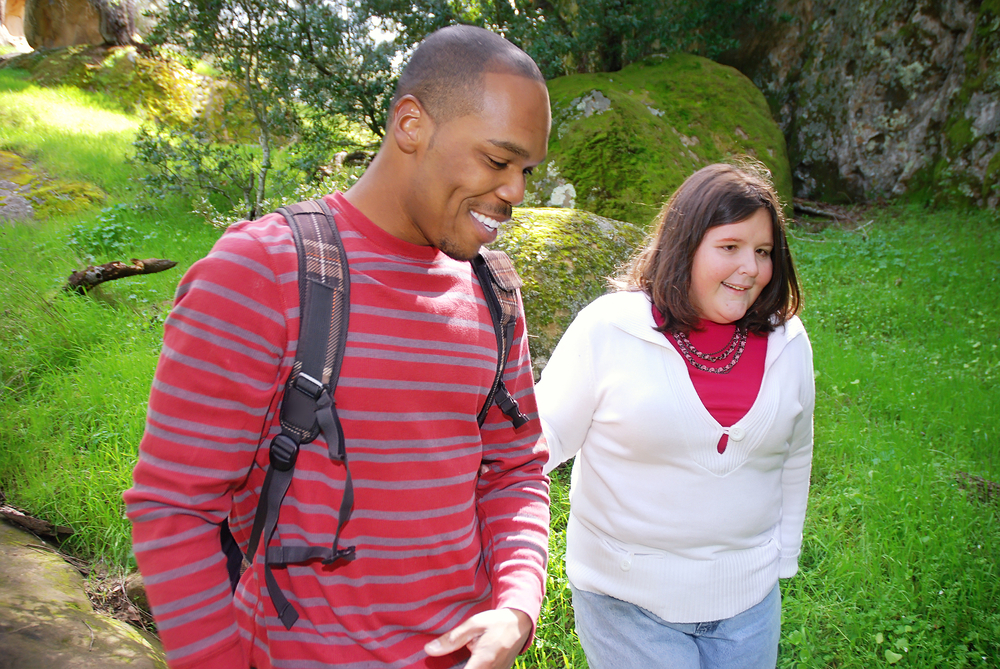
As the spouse, partner or friend of a person that has low or no vision, it is hard to know when to step and help. You don’t want to offend them by jumping in and making them feel incapable, nor do you want to stand by and have them stumble along, possibly hurting themselves.
blind or visually impaired person with mobility
Here are few pointers to help a blind or visually impaired person with mobility so you can be supportive and considerate.

  • First and most importantly, never assume the person wants or needs your help. Always ask first and never force the person to accept your help.
  • If your offer of help is accepted, ask if the person would like you on their right or left, then the tap them with your appropriate elbow so the person needing help can grasp slightly above the elbow.
  • Relax and walk at a comfortable, consistent pace, about a half step ahead.
  • When navigating obstacles, guiding signals, along with verbal cues, are helpful. Examples:
    Curb – brief pause and state “we are approaching a curb and it is slanted upwards.”
    Narrow door or passage – you enter first moving your guiding arm behind the small of your back and let them know you are moving through a doorway or narrow space and which direction the door opens so they can move to the appropriate side.
  • Stairs – stop at the edge of the first step and let the other person know if the steps are up or down, where the railing is (make sure it is on the side of their free hand), and if there is anything special about the steps (they are uneven, very steep, have an overly wide tread, etc.). If there are just a few steps let them know, “you will take 4 steps down.” The will follow one step behind you, with one hand on the handrail and the other holding your arm. Pause after completing the stairs.
  • Escalators and revolving doors – Use similar guiding cues as you do for the stairs. Let them know when to step onto the escalator and when to get ready to get off. If the person you are guiding is uncomfortable with escalators or revolving doors, use the elevator and regular doors which all buildings are required to have.
  • Chair – when approaching a chair, place the hand of the person being guided on the back or side of the chair, letting them know which direction the chair is facing.
  • Never leave a person who is blind or visually impaired in “free space.” Make sure they are in contact with a wall, railing or some other stable object until you return.

If They Use a Guide Dog
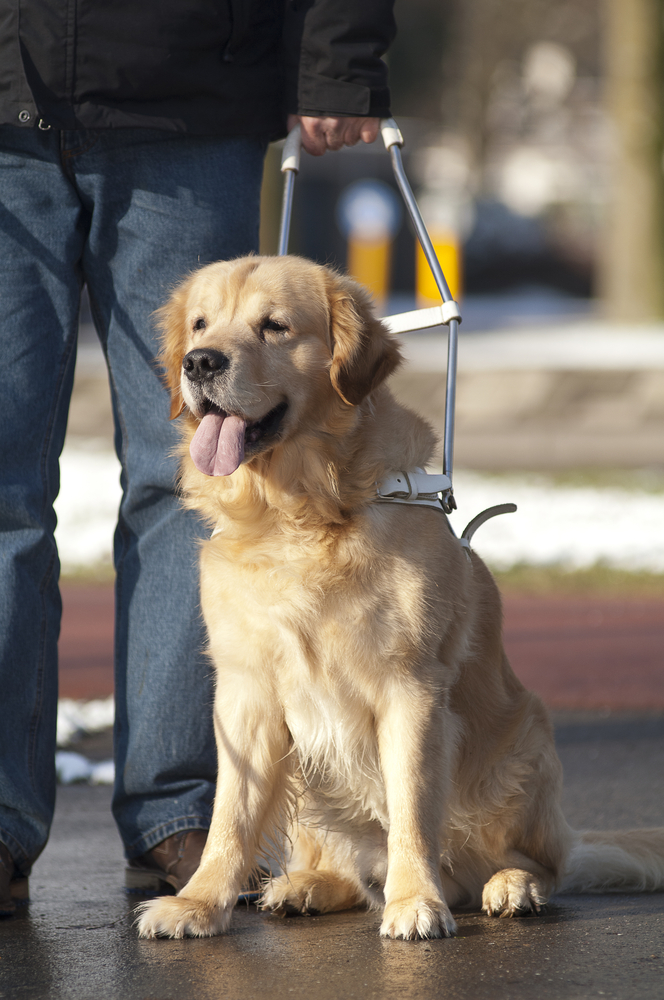
Guide dogs are invaluable to people that are blind or partially sighted. They allow their owners a sense of independence. But how should you respond to a guide dog who is working?blind or visually impaired person with mobility

  • Never distract the dog from its duty, so don’t pet the dog without asking.
  • Before asking a questions of a person handling a dog, allow them to complete the task at hand.
  • Remain calm when you approach, never teasing or speaking to the dog.
  • Do not offer the dog food or other treats. They are fed on a schedule and follow a specific diet to keep them healthy. Deviations from their routine can disrupt their regular and ad relieving schedules, seriously inconveniencing their handlers.
  • Do not offer toys to a guide dog. Though they are treated as pets when they are not in their harnesses, they are only allowed specific toys. In their harness they don’t play with toys.
  • Do not call out to the guide dog or obstruct its path, as it can break the dog’s concentration which could prove to be dangerous to its handler.
  • In some cases the person with low or no vision may prefer to take your arm above the elbow and allow their dog to heel instead of lead. Follow the same instructions as in the first part of this blog. When approaching stairs, ask how the person how they wish to proceed, as they will be holding your arm with one hand and the guide dog with the other, making it impossible to grasp a handrail.

Giving Directions To Someone Who is Blind or Visually Impaired
If a person is on their own with a guide dog or white cane, giving complete accurate directions is necessary. While you may be used to pointing or saying “it is over there,” or “go around the next corner,” if you can’t see you have no idea where “there” is or the “next corner.”

  • Always refer to a specific direction from the perspective of the person you are advising. Your right is their left.
  • Indicate the approximate distance in addition to the direction.
  • Give the approximate number of streets to cross to reach the destination. Even if you are off a block or two, it gives the person an idea of when to stop and ask for further instructions if needed.
  • If possible, provide information about landmarks on the way. Remember that sounds, scents and ground textures can be landmarks. You can hear an escalator, smell the scent of fresh brewed coffee and feel the difference between grass and a sidewalk.

4/16/15


Susan DeRemerSusan DeRemer, CFRE
Vice President of Development
Discovery Eye Foundation

6 Ways Women Can Stop Vision Loss

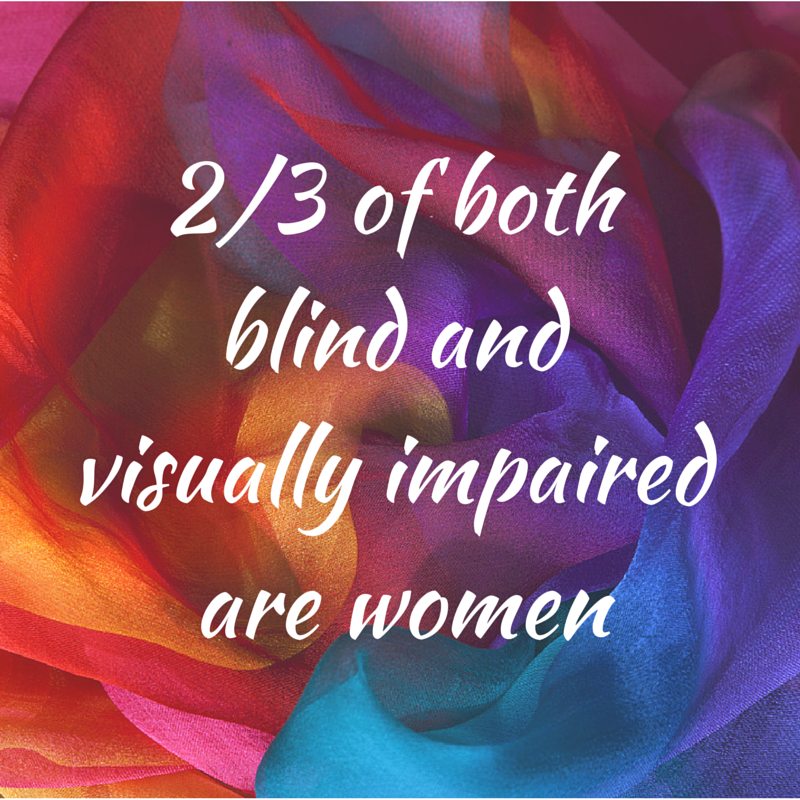
Women account for 53% of the world’s population. However, 2/3 of the blind and visually impaired people in the world are women. While 80% of these women are in developing countries, women in developed countries like the US are still more likely to face vision loss than men.
women can stop vision loss

Why are women more prone to eye disease than men?

Women are the caregivers in families, taking care of the health of family members over themselves. In addition, with many having jobs outside the home, they don’t feel they have the time to go to the doctor until something major happens, especially related to vision.

Women live longer than men are at greater risk for age-related eye diseases such as age-related macular degeneration (AMD), diabetic retinopathy, glaucoma and cataracts.

Women are more likely to develop several autoimmune diseases that can affect their eyes including, multiple sclerosis, lupus, rheumatoid arthritis and Sj?gren’s syndrome.

75% of new breast cancer diagnosed each year is estrogen-sensitive. A common part of estrogen-sensitive breast cancer treatment includes the prescription of tamoxifen. More studies are being done, but cataracts due to tamoxifen have been identified in about 10% of the patients taking the drug.

What can women do to lessen their chances for eye disease?

Know your family history as genetics play and important role in your eye health, so know what eye diseases run in your family. Let your eye doctor know so he can look for early warning signs that can help prevent of lessen the conditions in you.

Get routine comprehensive, dilated eye exams starting at the age of 40, to create a baseline for your doctor to work from. After that you can go every 2-4 years until the age of 60. At 60+ have a compressive, dilated exam every two years if you are symptom-free and low risk.

Eat healthy and exercise. It is important to maintain a healthy weight to reduce the risk of some eye diseases. Eating fresh fruits and vegetables is also important as they can contain carotenoids an some antioxidants that appear to help with vision retention. It should also be noted that in many studies, supplements did not show the same beneficial effects as whole foods.

Stop smoking! You not only increase your risk for cancer and heart disease, but smoking is the only thing besides advancing age that has been proven to be directly related to AMD.

Avoid ultraviolet light by wearing sunglasses (with wide-brimmed hats) and indoor glasses with UV protection. While everyone knows the sun is a source of UV light, so are electronic screens such as your TV, computer, tablet or smartphone. Prescription glasses and readers can have a clear UV coating put on them that will not distort your color vision. If you don’t need vision correction, there is eyewear with no correction that is coated to protect your eyes to avoid dry eye and retinal damage.

Use cosmetics and contacts safely. Always wash your hands first. Throw away old makeup and lens solutions. Do not share cosmetics or apply while driving. Make sure to clean your lenses thoroughly before putting them in your eyes.

Because women are relied upon to take care of the family, vision loss that can impact that responsibility can be devastating to the entire family. And later in life, when they may have outlived a spouse, the isolation and depression can destroy their quality of life as they try to cope on their own.

Reach out to women you know and remind them to take an active part in their own healthcare. Especially with regards to their vision, when women are at a higher risk of vision loss than men.

4/7/15


Susan DeRemerSusan DeRemer, CFRE
Vice President of Development
Discovery Eye Foundation

7 Spring Fruits and Vegetables

Spring is truly here. With Passover and Easter later this week, it is time to rediscover some of the amazing produce that is at its peak during the months of April, May and June. These 7 spring fruits and vegetables are not only delicious; they are good for you . . . and your vision. Here are some recipes for you to try and enjoy the bounty of spring. Some even include more than one of the seven fruits and vegetables listed below.
apricots - 7 Spring Fruits & Vegetables
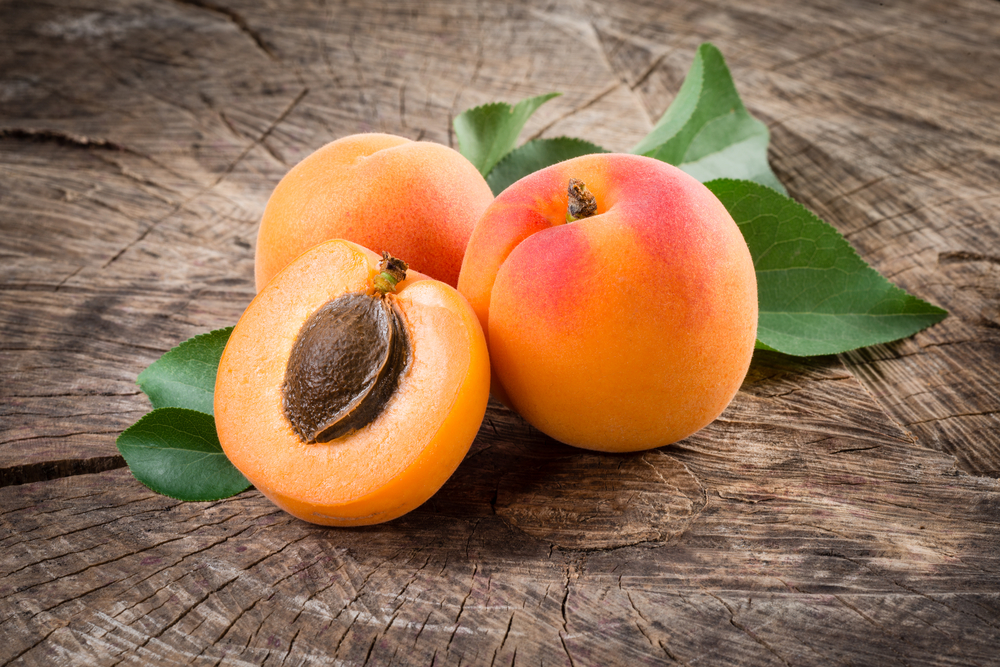
Apricots – Apricots should be firm, but not hard, with a nice fruit scent when sniffed. They are best purchased locally so they aren’t picked too early and have a tree-ripened sweetness.

Apricot & Orange Breakfast Smoothie from Discovery Eye Foundation’s Eye Cook

Spicy Apricot Wings from Food & Wine

Fresh Apricot Chutney from Cooking Light

Chicken Tagine with Apricots & Almonds from Gourmet
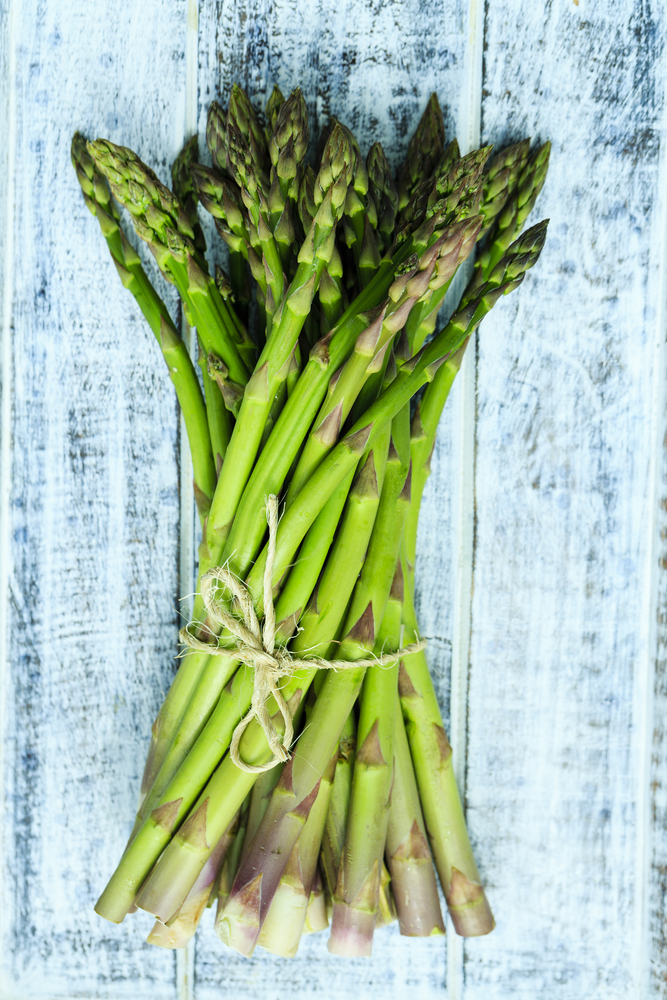
asparagus - 7 Spring Fruits & Vegetables
Asparagus – Look for firm stalks, from the tips down to the base of stalks. Once asparagus are harvested they deteriorate quickly, so place them in cool storage to retain freshness and their nutrition value.

Asparagus and Strawberry Salad from Discovery Eye Foundation’s Eye Cook

Asparagus with Watercress and Brown Butter Potatoes from Food & Wine

Grilled Asparagus with a Caper Vinaigrette from Cooking Light

Asparagus, Tomato & Red Pepper French Bread Pizza from the Mayo Clinic
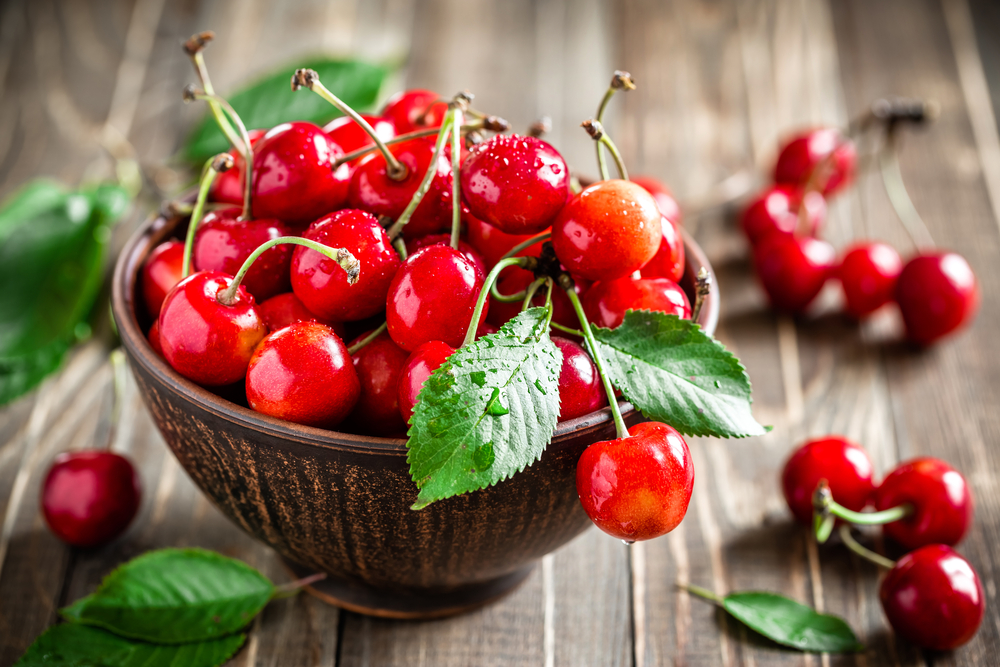
cherries - 7 Spring Fruits & Vegetables
Sweet Cherries – The best cherries are an inch or more in diameter, plump, firm, and rich in color.

Cherry Pie from Cooking Light

Cherry Tortoni from Gourmet

Cherry Tart from Bon Appétit

Easy Almond & Dried Cherry Cookies from Discovery Eye Foundation’s Eye Cook
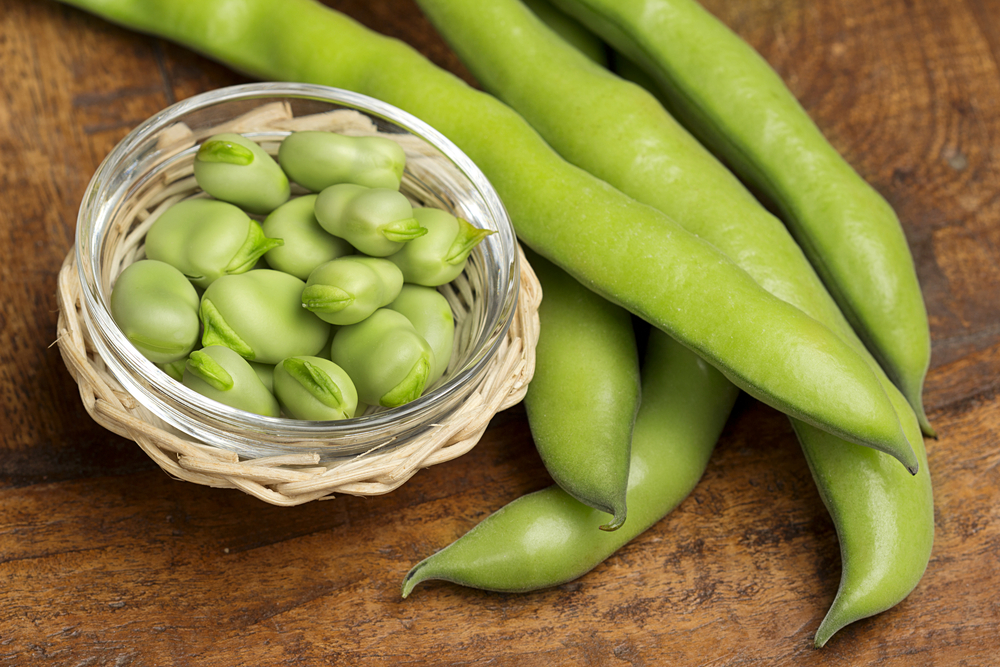
fava beans - 7 Spring Fruits & Vegetables
Fava Beans – Young fava beans can be shelled and eaten either raw or cooked, but more mature favas need to be shelled and skinned, since their skins are too tough to eat.

Quinoa Salad with Grilled Scallions, Favas & Dates from Food & Wine

Sliced Filet Mignon with Fava Beans, Radishes & Mustard Dressing from Bon Appétit

Arugula & Fava Bean Crostini from Gourmet
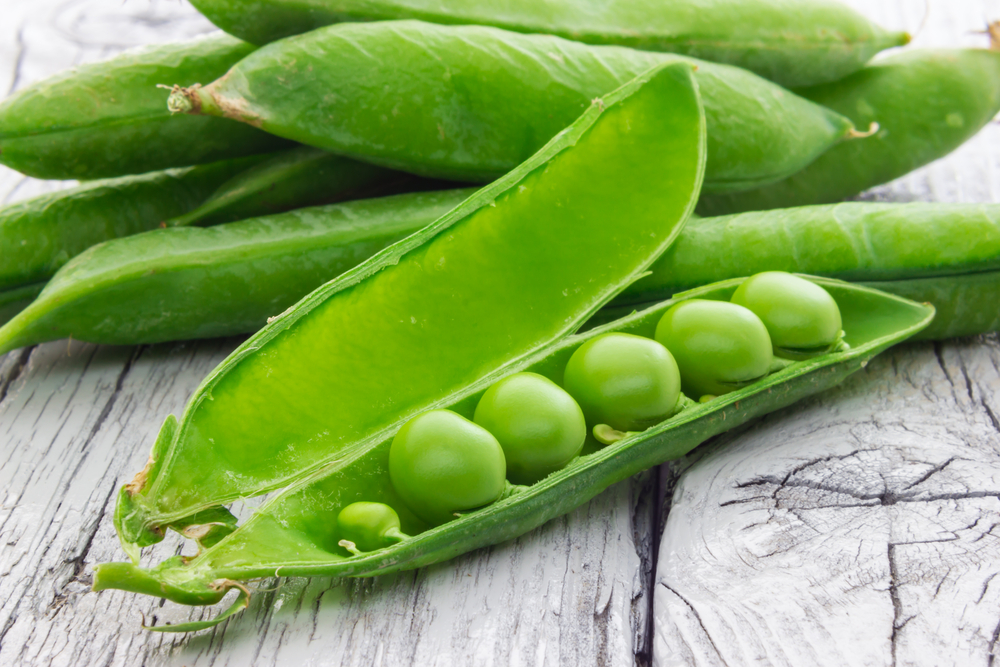
green peas - 7 Spring Fruits & Vegetables
Green Peas – Fresh green peas include sugar snap peas, snow peas, and green peas. Look for bright green pods that are firm.

Fava, Sweet Pea & Sugar Snap Salad from Cooking Light

Salmon with Sweet Chili Glaze, Sugar Snap Peas & Pea Tendrils from Bon Appétit

Strawberry, Almond & Pea Salad from Bon Appétit
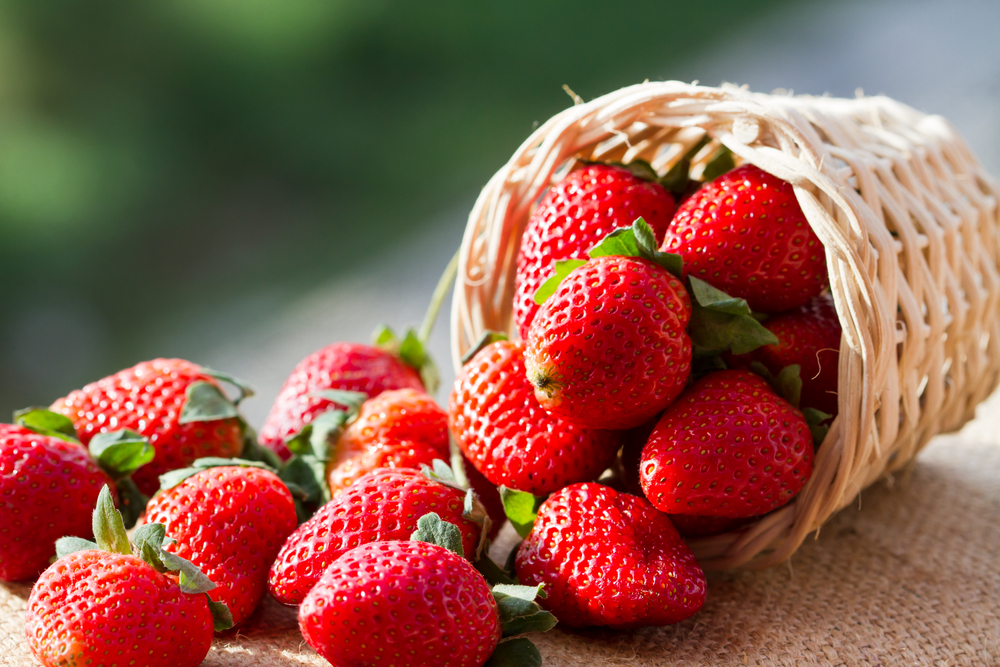
strawberries - 7 Spring Fruits & Vegetables
Strawberries – For the best flavor, you are best looking for strawberries grown close to home since they more are likely to be fresh and not be damaged in transit. They should be plump, firm, well-shaped, and uniformly colored.

Carrot & St rawberry Tea Bread from Discovery Eye Foundation’s Eye Cook

Strawberries Romanoff from Cooking Light

Strawberry and Cream Cheese Crepes from the Mayo Clinic

Pink Grapefruit, Strawberry & Champagne Granita from Bon Appétit
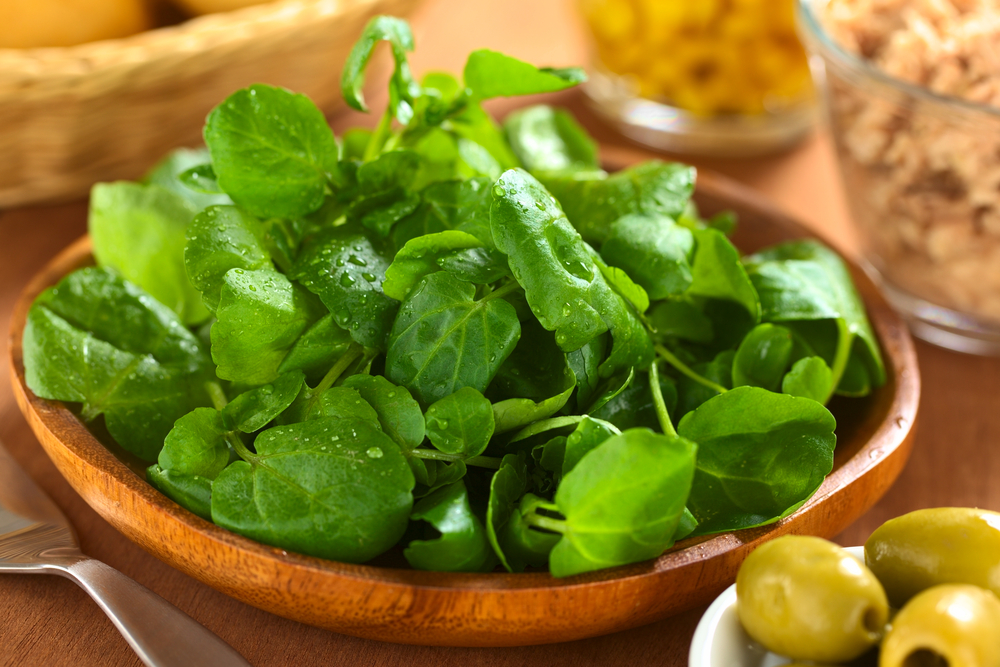
watercress - 7 Spring Fruits & Vegetables
Watercress – Look for uniformly dark green leaves and sniff for a fresh, spicy scent. Watercress has a short shelf life and should be kept in a plastic bag in the refrigerator for no more than three days.

Watercress, Orange & Avocado Salad from Gourmet

Watercress Salad with Verjus Vinaigrette from Food & Wine

Watercress Salad with Pan-Seared Mahimahi from Cooking Light

These are some great ways to enjoy  what spring has to offer.  Do you have any spring recipes you want to share?

3/31/15


Susan DeRemerSusan DeRemer, CFRE
Vice President of Development
Discovery Eye Foundation

Protective Eyewear for Home, Garden & Sports

Spring is here and it is always a good time to review important ways to protect your eyes now that you will be spending more time outdoors, enjoying sports, gardening or just basking in the warm spring sunshine.

Protective Eyewear for Home, Garden & Sports

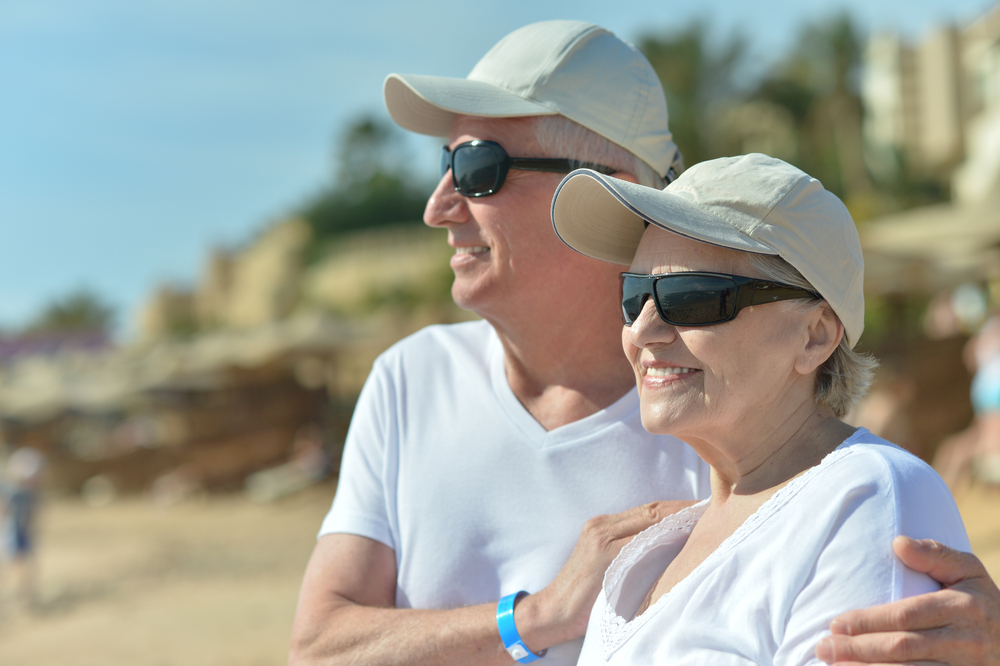
protective eyewear - sunglasses
Sunglasses and wide brimmed hats are the first things to consider as you go outdoors. The damage from UVA/UVB rays from sunlight is ever present, even on cloudy days. It is also cumulative and can lead to cataracts and age-related macular degeneration. Don’t forget to use sunscreen generously, helping to prevent a painful sunburn and skin cancer. If you perspire a great deal, think of a waterproof sunscreen that will not run into your eyes causing blurry vision and irritation.
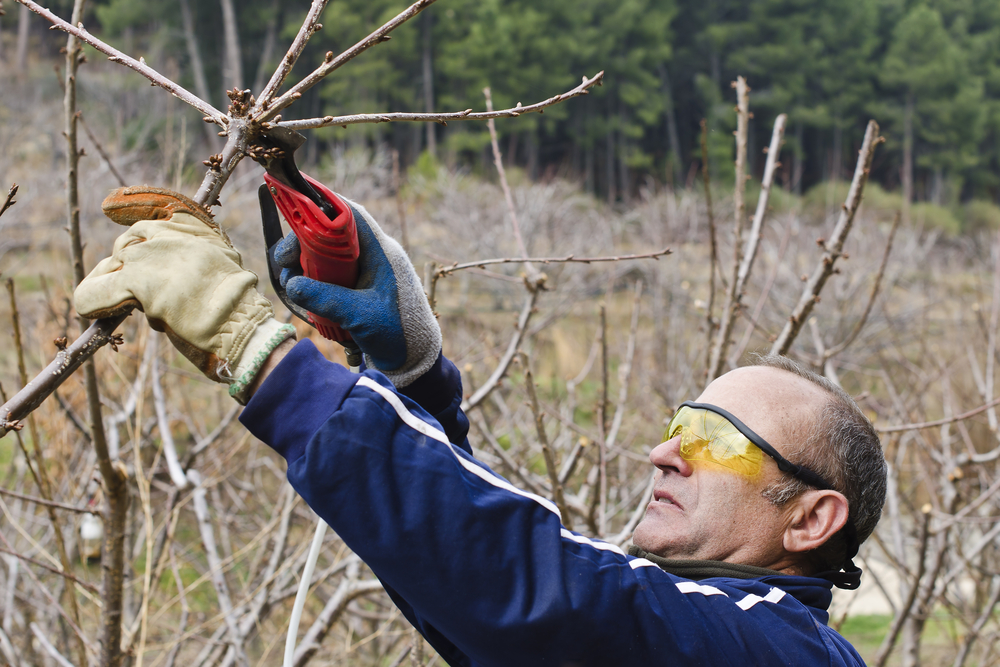
protective eyewear - goggles
In your backyard or garden it is wise to use safety glasses or goggles when operating a chain saw, axe or hedge clipper. They will help to prevent small flying objects, dirt and debris from getting into your eyes. Tree sap and plant secretions can also be hazardous to your eyes. Wearing gloves should make you think twice about rubbing your eyes, or at least you can remove them if you can’t resist.

Home maintenance and spring cleaning offer some of the same threats as gardening. Beware of using any regular or power tools, paints and chemicals without protective eyewear because of flying debris, drips, splashes and sprays. Besides the general eye irritations and painful corneal scratches, you could permanently impact your vision. Also take care if your children are helping or playing nearby, they could also be at risk.
protective eyewear - sports
Spring is a great time to get outdoors and enjoy your favorite sports, but if you engage in any activities that involve throwing and catching balls, “flying” arms and elbows (such as karate), swinging bats, sticks or clubs, or anything that involves shooting (such as paintball or airsoft), you need protective goggles that wrap around and protect you from all angles. Not every threat will be coming from directly in front of you.

For these sports and recreational activities prescription eyeglasses, sunglasses and even occupational safety glasses are not enough to protect your eyes. You will need a highly impact-resistant polycarbonate to avoid a lens that can shatter and cause additional danger to your eyes. Consult your eye care professional to choose the right kind of eye protection for your warm weather activities.

3/24/15


Susan DeRemerSusan DeRemer, CFRE
Vice President of Development
Discovery Eye Foundation

10 Tips For Healthy Eyes

In honor of Save Your Sight Week, here are 10 tips for healthy eyes. There are some simple things you can begin to do today to help your retain your vision. Also there are no warning signs for many of the leading eye diseases (age-related macular degeneration, glaucoma, cataracts), yet most people don’t see an eye doctor until they have a problem seeing. Unfortunately, by that time, irreparable damage has been done.
10 Tips For Healthy Eyes

3/3/15


Susan DeRemerSusan DeRemer, CFRE
Vice President of Development
Discovery Eye Foundation

GMO and the Nutritional Content of Food

Genetically Modified Organisms (GMO)

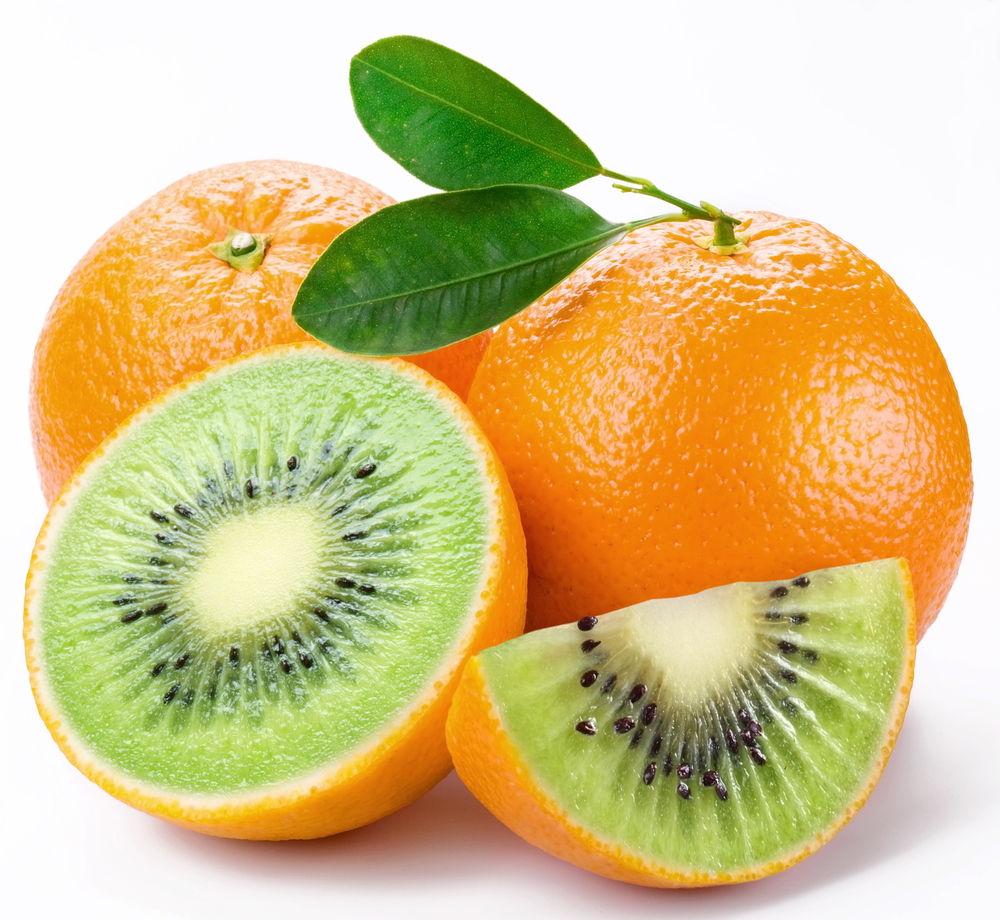
GMO OrangeHow do advances in biotechnology affect the nutritional quality of our food? Historically, humans have realized that the tastiest and most abundant fruit could be selected and replanted the next season. Food crop’s genes change continuously by natural mutation and recombination. Today, advances in our understanding of genetics and molecular biology are permitting scientists to find specific genes that can be moved from one species to another. Genetic material can be transferred from viruses, bacteria, plants, and animals to produce significant changes in the original species. Unlike traditional breeding, gene transfer allows the transfer of genes between organisms of different species. It also permits the transfer of only specifically selected genes to produce the desired outcome in a controlled laboratory setting. Terms frequently used to describe the gene transfer and modification of plants and animals include: Genetically Modified Organisms (GMO), Genetically Engineered (GE) and Biotechnology-Derived (BD).

Nutritional Content of Food

Ways the nutrient profile and density of a food can be altered include: gene modification, agricultural growing and feeding practices, conventional plant breeding and selection, and vitamin biofortification. A gene selected for modification can increase or decrease the vitamin, mineral or fatty acid content found in the modified food. For example, golden rice is genetically altered to increase its beta carotene content. Sometimes when one nutrient is increased another will decrease as an unintended consequence. For example, canola oil genetically engineered to contain vitamin A has reduced vitamin E levels. Growing and feeding practices such as grass-fed versus corn-based animal husbandry, and wild versus farm-raised fish, alters the animal’s fatty acid profile. The amount of omega-3 fatty acids found in eggs varies depending upon the chicken’s diet. Conventional plant breeding and selection can also change the nutritional profile, and has been practiced for a very long time. Finally, grains and cereals are frequently fortified with iron and vitamins before being marketed without the need for genetic modification.

There are intended and unintended consequences of gene modification. Some of the intended goals driving the genetic modification of food include an altered nutritional profile, longer shelf life, and better texture and flavor. Other goals include improved agronomic characteristics such as insect and disease resistance, and herbicide and climate tolerance. For example, plant geneticists can isolate a gene responsible for drought tolerance and insert that gene into a different plant. The new genetically modified plant will then be drought tolerant as well. As the world population grows, perhaps genetic modification can increase crop yields.

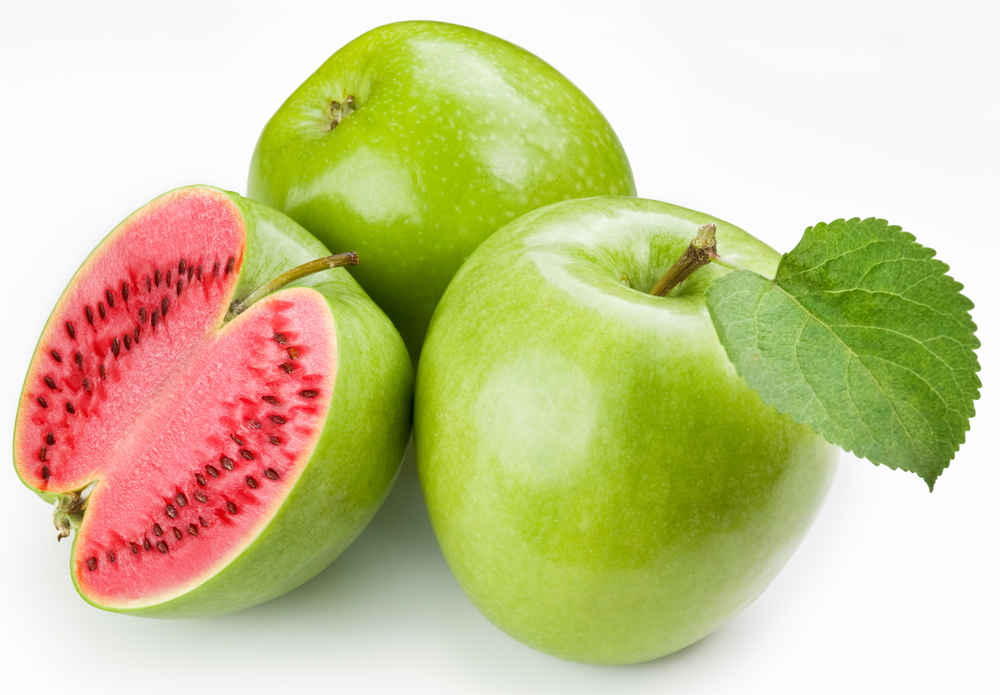
GMO AppleThe unintended consequences of genetic modification include an increased potential for new allergens in the food supply, antibiotic resistance, toxicity and environmental challenges. Genetic modification ultimately results in the introduction of new proteins into the food supply. True antibody mediated food allergies are an important health issue occurring in approximately 2% of adults and nearly 5% of children. Protecting people with food allergies from unwanted exposure to these new proteins represents a major public health challenge for genetically modified sources of food. Additionally, consumption of foods genetically modified by using “antibiotic resistance markers” may reduce the effectiveness of antibiotics to fight bacterial diseases. Antibiotic-resistant genes produce enzymes that degrade antibiotics and might be transferred to human or animal pathogens, also making them resistant to antibiotics. Finally, a gene selected for modification may have two functions, one with the desired effect and one that has an undesired effect like enhancing natural plant toxins. This occurs in legumes (protease inhibitors), lima beans (cyanogens) and canola species (goitrogens).

Environmental Risks

The unintended environmental risks of genetically modified crops include herbicide and insecticide resistance, gene transfer to wild and conventionally grown plants through cross pollination, crops that are too genetically uniform and thus susceptible to being wiped out by disease, farmer’s limited access to seeds due to patenting of genetically modified food plants, and hard to eradicate “super weeds.”As just one example of the unintended environmental consequences of genetically modified food, Bt corn has been genetically modified to create a toxin in the pollen which kills the European Corn Borer. However, when the pollen is disbursed by the wind, it can land on milkweed, the food plant of the Monarch butterfly, killing the caterpillars that feed on the milkweed. This is one of the reasons the Monarch butterfly population has decreased in recent years.

Lableing of GMO Foods

National and state organic certification rules do not allow genetically engineered foods to be labeled “organic.” Organic products cannot be grown from GMO seeds; an organic animal product like beef, chicken or eggs must not have fed on genetically modified food. Common sources of genetically modified food include sugar made from beets; corn, corn syrup and corn tortillas; papayas; tomatoes; rice; potatoes; soy, including tofu, soymilk, soy nuts, soy sauce; milk produced with rBGH ; zucchini and summer squash; and oils such as vegetable, canola, soybean, cottonseed and corn.

Read the labels and know your ingredients. It is a challenge to avoid genetically altered food. The PLU code on the sticker reveals if the fruit or vegetable was genetically modified, conventionally or organically grown. Bananas labeled with the four digit PLU code 4011 were conventionally grown with the use of pesticides. Bananas labeled with a five digit code beginning with ‘9’ are organically produced without genetic modification (eg. 94011). Genetically engineered produce has a five digit PLU code beginning with the number ‘8.’ For bananas, that code would be 84011.

While genetic modification can alter the nutritional profile of the foods we eat… are we ready to open Pandora’s Refrigerator?

2/19/15

Sandra Young, OD - GMOSandra Young, OD
Author: Visionary Kitchen: A Cookbook for Eye Health
www.visionarykitchen.com

February Is Low Vision Awareness Month

Help for People With Vision Loss

Here’s eye-opening news: Currently, 4.2 million Americans ages 40 and older are visually impaired. Of these, 3 million have low vision. By 2030, when the last baby boomers turn 65, the number of Americans who have visual impairments is projected to reach 7.2 million, with 5 million having low vision. For the millions of people who currently live or will live with low vision, the good news is there is help.
Low vision awareness
But first, what is low vision? Low vision is when even with regular glasses, contact lenses, medicine, or surgery, people have difficulty seeing, which makes everyday tasks difficult to do. Activities that used to be simple like reading the mail, shopping, cooking, and writing can become challenging.

Most people with low vision are age 65 or older. The leading causes of vision loss in older adults are age-related macular degeneration, diabetic retinopathy, cataract, and glaucoma. Among younger people, vision loss is most often caused by inherited eye conditions, infectious and autoimmune eye diseases, or trauma. For people with low vision, maximizing their remaining sight is key to helping them continue to live safe, productive, and rewarding lives. The first step is to seek help.

“I encourage anyone with low vision to seek guidance about vision rehabilitation from a low vision specialist,” advises Paul A. Sieving, MD, PhD, director of the National Eye Institute (NEI), one of the National Institutes of Health (NIH) and the federal government’s principal agency for vision research.

What is a low vision specialist? A low vision specialist is an ophthalmologist or optometrist who works with people who have low vision. A low vision specialist can develop a vision rehabilitation plan that identifies strategies and assistive devices appropriate for the person’s particular needs. “A vision rehabilitation plan helps people reach their true visual potential when nothing more can be done from a medical or surgical standpoint,” explains Mark Wilkinson, O.D., a low vision specialist at the University of Iowa Hospitals and Clinics and chair of the low vision subcommittee for the National Eye Health Education Program (NEHEP).

Vision rehabilitation can include the following:

  • Training to use magnifying and adaptive devices
  • Teaching new daily living skills to remain safe and live independently
  • Developing strategies to navigate around the home and in public
  • Providing resources and support

There are also many resources available to help people with low vision. NEI offers a 20-page, large-print booklet, titled What You Should Know About Low Vision, and companion DVD, featuring inspiring stories of people living with low vision. This booklet and DVD, among other resources, are available at
www.nei.nih.gov/lowvision.

With the aging of the population, eye diseases and vision loss have become major public health concerns in the United States. NEI is committed to finding new ways to improve the lives of people living with visual impairment. Aside from making information and resources readily available, NEI has dedicated more than $24 million to research projects on low vision, including learning how the brain adapts to vision loss; strategies to improve vision rehabilitation; and the development of new technologies that help people with low vision to read, shop, and find their way in unfamiliar places. Research like this will help people with low vision to make the most of their remaining vision and maintain their independence and quality of life.

2/17/15

NEHEPsq75The National Eye Health Education Program (NEHEP) of the National Eye Institute (NEI), a part of NIH, offers a 20-page, large-print booklet, titled What You Should Know About Low Vision, and a series of videos featuring patient stories about living with low vision. These and other resources are available at http://www.nei.nih.gov/lowvision.

The Best Nutrition for Older Adults

Our bodies change as we age. Our metabolism slows down and we lose lean body mass. Changes occur in the kidneys, lungs, and liver. Total body fat typically increases. The digestive system slows down and changes, producing less of the fluids it needs to process food, thereby making it harder for the body to absorb important nutrients. We lose bone density, which can cause osteoporosis, fractures, and vertebral compression. Many of us lose some sense of taste and smell and our medications interfere with many vitamins. Because of these changes, older adults have very different nutritional needs than those who are younger. What is the best nutrition for older adults?
food pyramid - best nutrition for older adults
The basic challenge when one gets older is to meet the same nutrient needs as when we were younger, but doing it while consuming fewer calories. Extra weight and health issues may be the result if we don’t. We can meet the challenge by eating a healthy diet that provides the necessary nutrients and variables for good digestion and absorption of nutrients. A nutrient-dense (meaning foods high in nutrients in relation to their calories), fiber-filled, colorful and varied diet is key.

First, let’s look at some of the important vitamins and nutrients we need to insure healthy bodies:

WATER – of all the nutrients, this the most important. Drinking enough water reduces stress on kidney function, which can decline with age. It also eases constipation. Be aware that the ability to detect thirst declines with age. Instead of waiting to feel thirsty, drink water and other healthy fluids throughout the day. The goal should be about 8 glasses of water per day.

CALCIUM – Calcium’s most important role is for building and maintaining strong bones. Unfortunately, as we age, we tend to consume less in our diets. If you don’t get enough, your body will leach it out of your bones. If your diet includes dairy, three low-fat servings per day are recommended. But also consider plant alternatives such as collard greens, kale, and broccoli. In addition, tofu, almonds, sesame and chia seeds are other great non-dairy sources for calcium.

VITAMIN D – This vitamin helps the body absorb calcium, maintain bone density and prevent osteoporosis. Recent studies suggest it may also protect against some chronic diseases and vitamin D deficiency has been linked to an increased risk of falling in seniors. Vitamin D can be found in salmon, tuna, and eggs. You can also look for vitamin D fortified foods, including cereals, milk, some yogurts, and juices. Because aging skin becomes less efficient at producing the vitamin from sunlight, some experts believe seniors may need vitamin D supplements. You may want to discuss your vitamin D needs with your health care provider.

FIBER – Getting enough fiber in the diet will promote healthy digestion by moving foods though the digestive tract. It will also not interfere with the absorption of nutrients, which occurs with laxative use. Eating foods rich in fiber have additional benefits, including protecting against heart disease. So eat more whole grains, nuts, beans, fruits and vegetables.

POTASSIUM – Potassium is an essential mineral vital for cell function. It has been shown to reduce high blood pressure and the risk of kidney stones. It may also help keep bones strong. Older people can get the recommended daily amount by including fruits and/or vegetables in their diet at every meal. Banana, prunes, plums and potatoes with their skin are particularly potassium rich.

MAGNESIUM – Magnesium is important to many different physiological processes and keeps the immune system in good order. It also keeps the heart healthy and your bones strong. Absorption of magnesium decreases with age and some age-related medications, such as diuretics, may also reduce absorption levels. Eating as many unprocessed foods as possible, including fresh fruits, vegetables, nuts, seeds, grains, and beans will provide you a great source of magnesium.

VITAMIN B12 – Vitamin B12 is important in creating red blood cells and maintaining a healthy nerve function. Getting enough is the challenge for older people because of the decrease in absorption from food. The solution is to eat more food rich in B12 which includes fish, meat, poultry, eggs, and low-fat dairy. Also check with your health care provider about whether a supplement is in order.

FOLATE/FOLIC ACID – Anemia is the result of not enough of this essential B vitamin, which is related to B12 absorption and may improve hearing. Eat plenty of fruits and vegetables and/or make sure your breakfast cereals are fortified to ensure you are getting enough.

OMEGA-3 FATS – Primarily found in fish, these unsaturated fats have a wide range of benefits, including possibly reducing symptoms in rheumatoid arthritis and slowing the progression of age-related macular degeneration. They may also reduce the risk of Alzheimer’s disease and may even keep the brain sharper as we age. Strive toward at least two servings of fish a week and choose salmon, tuna, sardines, and mackerel which are especially high in omega-3. Plant sources of omega-3 include soybeans, walnuts, flaxseed, chia, hemp and sesame seeds, and cauliflower.

IRON – Iron intake sometimes appears to be low in many older adults. To improve absorption, include vitamin C-rich fruits and vegetables with iron-rich foods such as red meats, fish, and poultry.

ZINC – Along with vitamins C and E, lutein and zeaxanthin, it may help slow the progression of age-related macular degeneration. Eat lots of fruits and vegetables, especially those that are dark green, orange or yellow in color, such as kale, spinach, broccoli, peas, oranges, and cantaloupes.

VITAMIN E – This vitamin may have a potential role in the prevention of Alzheimer’s disease. Including whole grains, peanuts, nuts and seeds in your diet may help reduce the risk of this disease.

Now, how do we get these into our diet to ensure optimal nutrition? Strive to have your diet look like this:

  • Colorful and varied. Have three to five different colors of food on your plate at each meal. This will translate into getting the most variety of nutrients. Eat more veggies than fruit.
  • More natural and unprocessed. This will give you more fiber. Choose whole fruit over juice; whole grains over processed flours; include seeds, nuts, whole grains and beans in your salads and soups. Look at labels – choose foods with five or fewer ingredients you can pronounce.
  • The majority of your food should be complex carbohydrate foods – vegetables, fruits, grain products, seeds, legumes and nuts. Choose more vegetables to keep the calorie count down.
  • High-quality protein – eat less processed and high-fat choices and go for fish, lean meats, skinless poultry, low-fat dairy and plant-based protein sources.
  • Less sodium, sugar, and “bad” carbs (such as white flour, refined sugars, and white rice). Too much of these things can lead to many age-related health issues and diseases.
  • More steaming and sautéing and less battering and/or frying.
  • Use of good fats such as olive oil, avocados, salmon, walnuts, flaxseed, and other monounsaturated fats to protect your body against heart disease.
  • Try not to skip meals (it slows down your metabolism), eat smaller portions (we don’t need the extra calories), and exchange unhealthy snacks with healthier choices (raw veggies instead of potato chips, piece of fruit instead of a candy bar, etc).
  • Lastly, don’t forget to drink your water!

2/10/15


Michelle MooreMichelle Moore, CHHC
Natural Style Health

Visual Aids and Techniques When Traveling

I was 43 years old when I learned that I had an incurable disease of the retina that would cause permanent vision loss. I was devastated and could only think of how sad my life would be without being able to play basketball, ride my bicycle, travel to new destinations, and to enjoy the finer things in life. Fortunately, all of my preconceived ideas were wrong! I met a group of people with macular degeneration and they told me about all the fun things they did together. They told me about how they went horseback riding, bowled, golfed, rode tandem bicycles, and traveled across the United States together. The purpose of this article is to share with you many helpful tips and strategies to allow you to enjoy yourself when you travel and play outdoors. Here are some visual aids and techniques when traveling.
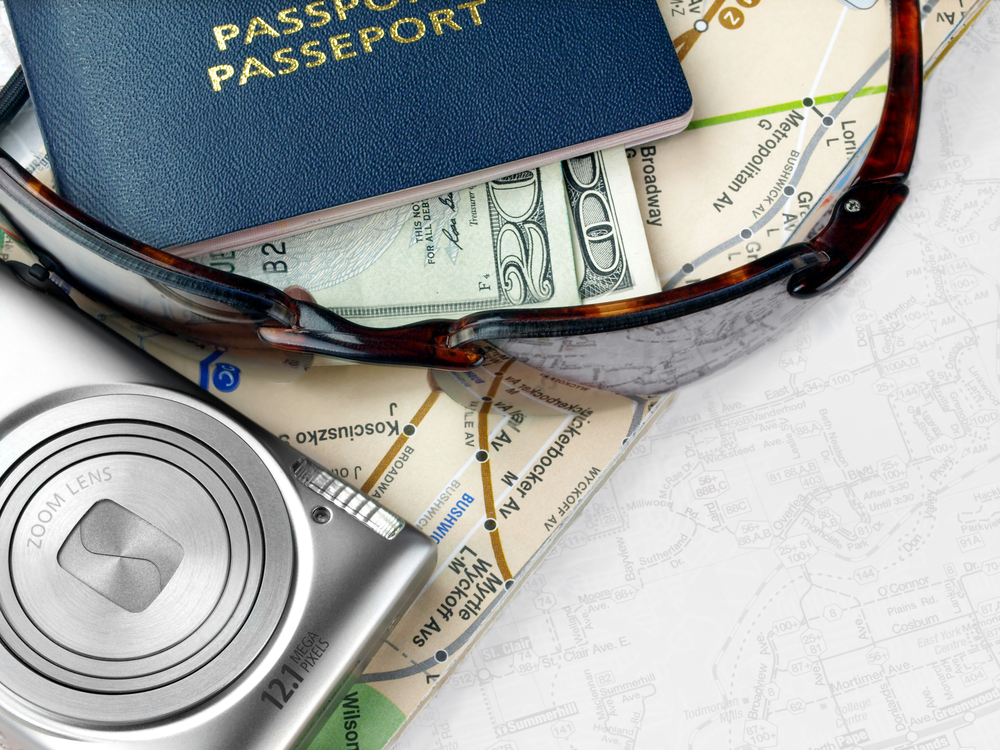
Visual aids  and techniques for traveling
Sunglasses and Filters
Sunglasses are one of the most helpful visual aids to improve your eye comfort and vision when traveling outdoors. There are many different color filters that are made of various materials to maximize your vision. Often, people purchase sunglasses that are too dark and they do not allow a person to see details most clearly. Amber and yellow filters are very helpful for people with macular degeneration and diabetic retinopathy while green and plum lenses are very comfortable for people who are in the direct bright sunlight. Another type of sunglass lens that is very helpful is polarized lenses. These lenses filter light from reflected surfaces, such as the water or a windshield. Thus, a polarized sunglass will be very helpful if you will be traveling on an ocean cruise or traveling in the car on a road trip.

Hats and Visors
Hats and visors are another excellent visual aid to reduce glare. Wearing a hat or visor with a wide brim made of a dark color will reduce glare caused by the bright sidewalk. Many hats and visors are shaped such that they also filter light coming from the sides.

Telescopes
Telescopic glasses are very helpful low vision aids that allow people to identify distant objects very clearly. A telescope consists of two lenses separated by space. They are available in different powers to provide different levels of magnification. The larger the telescope, the higher the magnification. Telescopes are available to be mounted in glasses or they may be held in your hand. By looking through a telescope or telescopic glasses, the world will be magnified, similar to looking through a pair of binoculars. Telescopes are very helpful for sight seeing, reading traffic signs, watching plays, sporting events, and for people watching. Consult with your low vision optometrist for a demonstration of these devices!

Magnifiers
Magnifiers are very helpful tools when traveling. They allow one to read menus, identify your currency, read bus schedules, and to also see the slot machines! Magnifiers are available in various shapes, sizes, and forms. Some are simple lenses that are held in your hand while others are placed in glasses to allow you to use your hands to perform other tasks. I will never forget the first time that I prescribed magnifying glasses to allow my patient to play Black Jack in Las Vegas. He came back from his vacation ad was so happy that he was able to play cards again!

Mobility Cane
A mobility cane is very important to take when you travel because it informs others that you have a vision problem and it allows people to assist you by moving out of the way as you walk. I recall how strongly I resisted the use of my long white cane. I did not feel that I needed it because I still had vision. However, when we walked on the Las Vegas strip, I could not enjoy the sights of the new hotels because I had my head tilted towards the sidewalk so that I could see where to walk. My wife told me, “Why don’t you try using your cane so that you can enjoy the scenery?” I reluctantly agreed and was so excited to be able to lift my head and look around at all the hotels and people. People moved out of our way as we walked and it made me feel as though I was Moses walking through the parted Red Sea!

Smart Phones
Another very helpful tool to use when traveling or performing activities away from your home is the use of the cell phone. Today, there are cell phones called Smart Phones. These phones are essentially a small computer that has the ability to magnify the print on the screen and they are also able to talk to you and understand your voice! I personally use the Apple iPhone 5 and this device is extremely helpful. I can ask it to give me directions to specific areas to walk and visit, or I can ask it where the nearest bank, restaurant, or hotel is. When my phone locates the available options, it says the options aloud. My phone is also helpful because it can take pictures of objects and tell me what they are. When shopping, my phone will scan the bar code and tell me what is in the package and it will also tell me the price. Lastly, my phone has the ability to identify the currency, colors of clothing, and it also can help me to obtain a taxi cab or a bus ride.

All in all, there are many tools and techniques that are available to allow people with low vision or blindness to perform enjoyable activities away from home and to travel. I never thought that I would be able to enjoy all the things that I now do as a person who is totally blind. To learn more about these low vision aids and strategies, contact your low vision agency.

2/5/15


Bill Takeshita - July 2011Bill Takeshita, OD, FAAO
Chief of Optometry
Center for the Partially Sighted

Spotlight Text – A New Way to Read

For People With Low Vision There Is Spotlight Text – A New Way To Read

Spotlight Text is a new e-reading app specifically designed to address the needs of patients with eye disorders. Dr. Howard J. Kaplan, a retina surgeon in the Hudson Valley, started developing the app five years ago. Dr. Kaplan states, “When the first Amazon Kindle came out, a light bulb went off. If books are now digital, you can make the text of the book adapt to the reader instead of forcing the reader to adapt to the text. My patients were extremely frustrated with low vision devices such as desktop readers. Most found them very difficult to use and affordable.” Working with low vision experts at the Lighthouse Guild International, various text presentation methods were evaluated. “The app is based on real visual science and was built with the input of the top low vision specialists in the country, “ says Dr. Kaplan.
spotlight text - a new way to read
The greatest difficulty in creating the app proved to be getting access to e-books. Initially Dr. Kaplan approached the major e-content providers such as Amazon, Google, and Barnes & Noble. All of them considered the low vision market too small to address. During the 5 years, Bookshare, a Silicon Valley nonprofit, began to expand exponentially. Bookshare is dedicated to creating an accessible library for the print disabled.

How Spotlight Text Works, and What Makes it Different
The app is seamlessly tied into the e-book library of Bookshare. The library currently has 300,000+ titles including all current and recent NY Times bestsellers. It has a very extensive collection of textbooks for K-12 children. E-book downloads are free and unlimited for children, and Vets. There is a minimal joining/maintenance fee for adults. All patients that have any visual deficit that prevents them reading standard print are eligible to join. A physician, optometrist, therapist, or even librarian has to certify a patient by checking a single box on the form and signing their name. Bookshare then does the rest by contacting the patient and giving them an account. Bookshare functions due to an exception in US copyright law that allows the free distribution of copyrighted material in formats that are unique for patients with visual disabilities. The books are coded in DAISY, which is a sound file format. The App takes these files and renders them back to written text.

The user interface is designed such that an 80-year-old technophobe or a five-year-old child can easily use it (Apple-like minimalism). The app also synchronizes with Bluetooth Braille readers that convert the text to Braille. It can be connected to the HDMI port of any TV for unlimited screen size (hardwire or wireless through Apple TV). As you will see when you demo the app, text is now dynamic: in both teleprompter and marquee modes the text will move so that ocular movements are minimized. Marquee mode was specifically designed and tested to work for end-stage Retinitis Pigmentosa patients and any patient with only a remaining very narrow central visual field. Using VoiceOver all books are now audible books.

Social Entrepreneurship
Special iTunes links are created for vision nonprofits. If a patient clicks on those links and purchases the Spotlight Text App, 50% of sales profits are donated to the organization, including the Discovery Eye Foundation or the American Academy of Ophthalmology Foundation. Prior to being placed on the AAO’s website the app was evaluated by its Low Vision Rehabilitation Committee. It is the only app that the American Academy of Ophthalmology has ever endorsed.

The Future
Dr. Kaplan hopes to return to the major providers of e-content and persuade them that low vision and blind users are a viable market for them.

“I believe universal accessibility is achievable, but it will take a coordinated and combined effort. Reading is such a vital part of all our lives, with e-books, everyone should be able to enjoy a good book.”

Howard J. Kaplan MDHoward J. Kaplan, MD
Retina Surgeon
Hudson Retina

1/15/15