
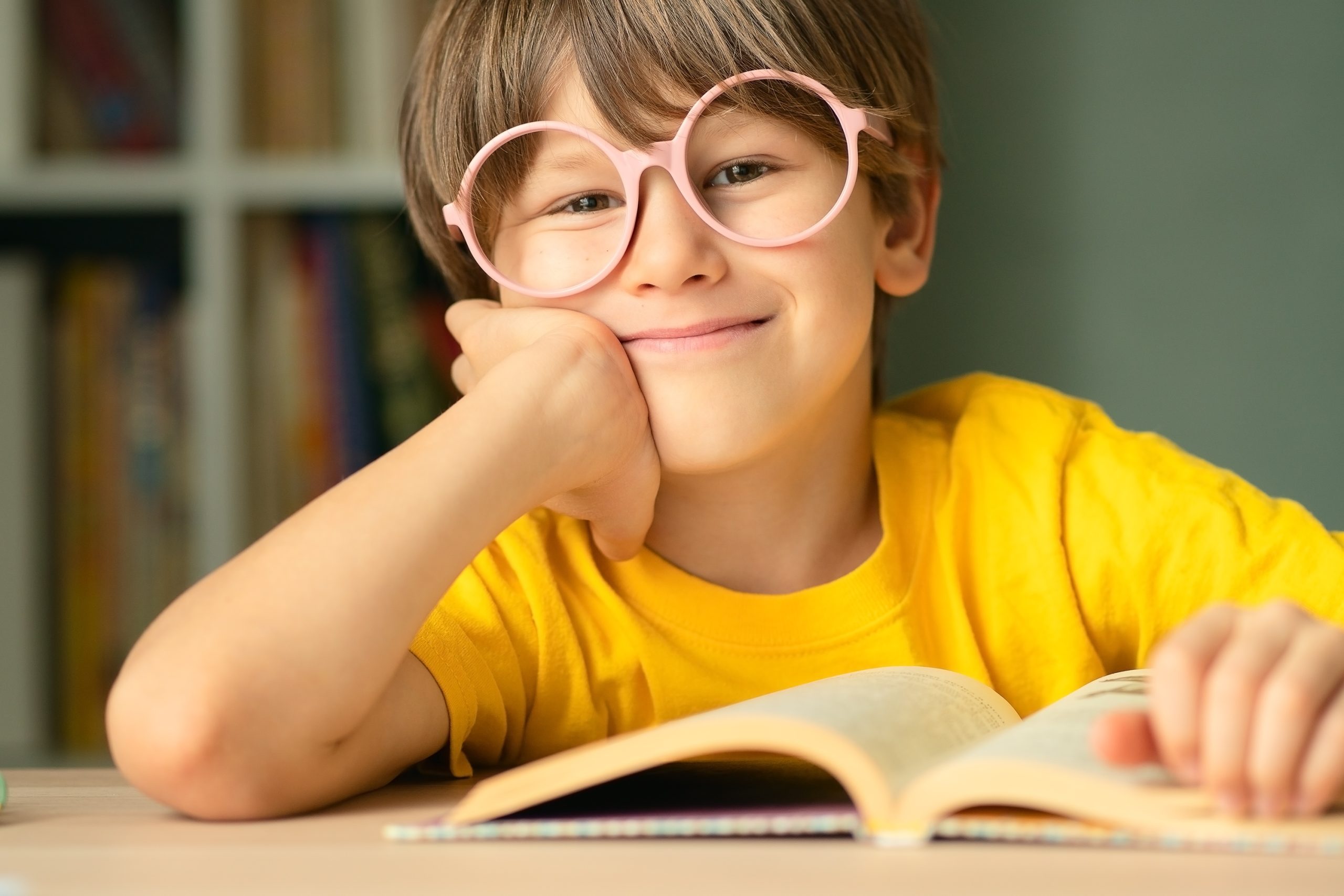
 August is Children’s Eye Health Month, making it the perfect time for parents and caregivers to focus on one of a child’s most valuable assets—their vision. Good eyesight plays a vital role in learning, development, sports, social interactions, and overall quality of life. Because many childhood eye conditions develop without obvious symptoms, regular comprehensive eye exams are essential for detecting problems early and protecting lifelong vision.
Why Children’s Eye Health Matters
Approximately 1 in 4 school-aged children has a vision problem that can interfere with learning and development. Yet many children don’t realize they have difficulty seeing because they assume everyone sees the same way they do. Undiagnosed vision problems can affect reading, classroom performance, coordination, confidence, and participation in sports and other activities.
Early detection and treatment can often prevent permanent vision loss and help children reach their full potential.
Common Childhood Eye Conditions:
Refractive Errors
The most common vision problems in children include:
- Nearsightedness (Myopia): Difficulty seeing distant objects clearly.
- Farsightedness (Hyperopia): Difficulty focusing on close objects.
- Astigmatism: Blurred or distorted vision caused by an irregularly shaped cornea.
These conditions are typically corrected with prescription eyeglasses or contact lenses when appropriate.
Amblyopia (Lazy Eye)
Amblyopia occurs when one eye does not develop normal vision because the brain favors the stronger eye. It affects approximately 2–3% of children and is most successfully treated when detected early, often before age 7.
Strabismus (Crossed or Misaligned Eyes)
Strabismus occurs when the eyes do not align properly. If left untreated, it can lead to amblyopia and problems with depth perception. Treatment may include glasses, vision therapy, eye muscle surgery, or a combination of these approaches.
Warning Signs Parents Should Watch For
Schedule an eye examination if your child:
- Frequently squints or tilts their head
- Covers or closes one eye
- Rubs their eyes excessively (when not tired)
- Complains of headaches or eye strain
- Holds books or screens very close
- Has difficulty reading or concentrating
- Frequently loses their place while reading
- Has one eye that turns inward or outward
- Shows unusual sensitivity to light
- Has excessive tearing or persistent redness
The Importance of Comprehensive Eye Exams
Vision screenings performed at school or during pediatric checkups are valuable but do not replace a comprehensive eye examination by an optometrist or ophthalmologist. Screenings can miss many eye conditions that require specialized testing.
The American Optometric Association recommends:
- First comprehensive eye exam: Between 6 and 12 months of age
- Second exam: At least once between 3 and 5 years
- Before first grade: Around 5 to 6 years of age
- School-age children: Every year, or as recommended by their eye care professional
Children with a family history of eye disease or vision problems may require more frequent examinations.
Protecting Children’s Vision Every Day
Parents can help support healthy vision by encouraging simple habits:
- Limit recreational screen time and encourage regular breaks using the 20-20-20 rule—every 20 minutes, look at something 20 feet away for at least 20 seconds.
- Encourage outdoor play, which research suggests may help reduce the risk of developing myopia.
- Provide a balanced diet rich in colorful fruits, vegetables, leafy greens, fish, and other foods containing vitamins A, C, E, lutein, zeaxanthin, and omega-3 fatty acids.
- Make sure children wear protective eyewear during sports and activities with a risk of eye injury.
- Protect young eyes from harmful UV rays with sunglasses that block 100% of UVA and UVB rays and a wide-brimmed hat when outdoors.
A Lifetime of Healthy Vision Starts Early
Healthy vision is essential for a child’s education, confidence, and overall development. Regular comprehensive eye exams, healthy habits, and prompt attention to any vision concerns can make a lasting difference. By prioritizing children’s eye health today, parents can help ensure their children enjoy a lifetime of clear, healthy vision.
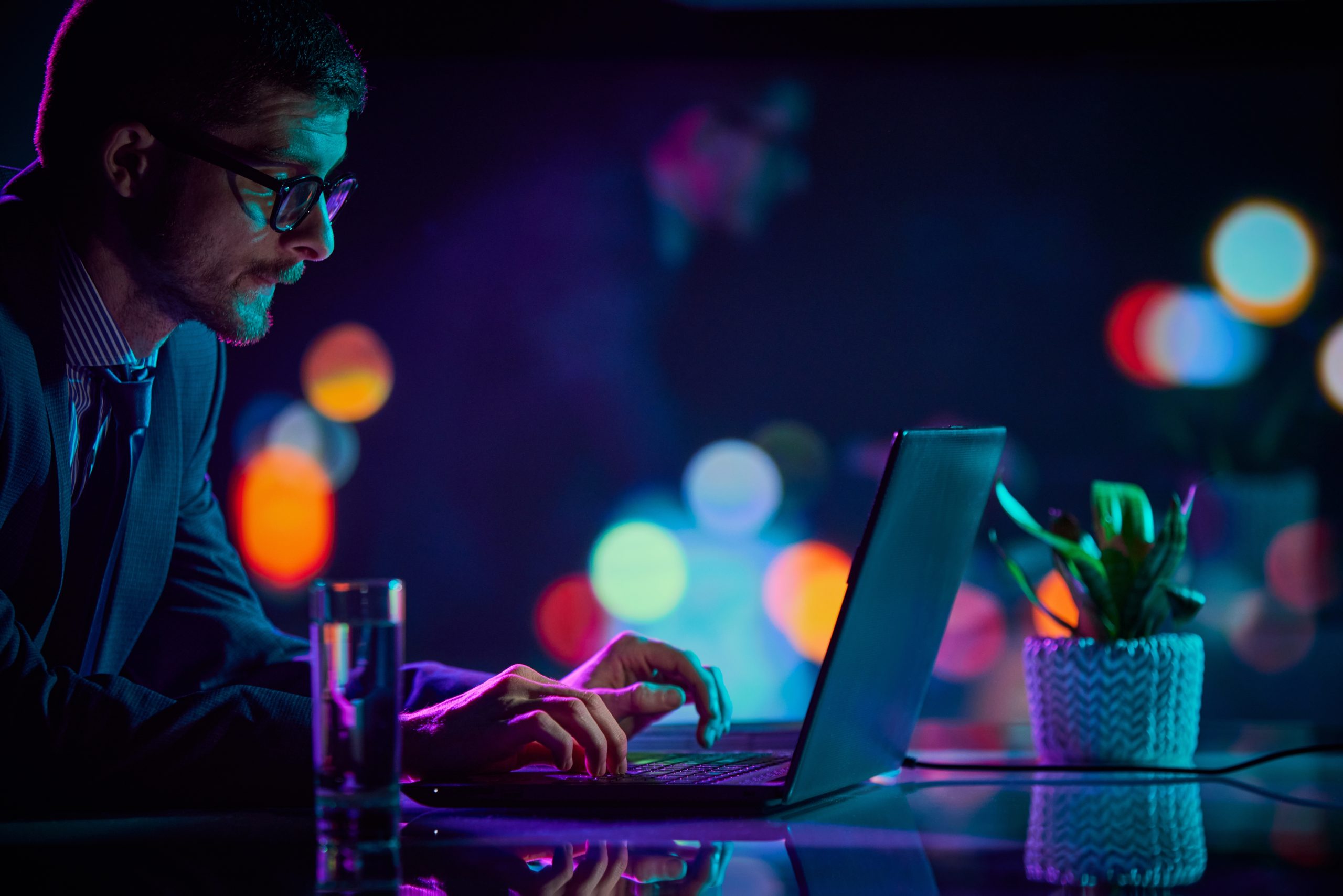 If you’ve spent any time on a screen (which is basically everyone), you’ve probably heard warnings about blue light. It’s blamed for everything from eye strain to permanent vision damage—but how much of that is actually true?


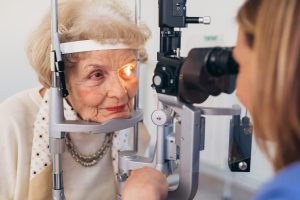 Here are a few ways you can help protect your vision
 Low vision affects millions of Americans — including many older adults. People with low vision aren’t blind, but because of their vision loss, they may not be able to do everyday tasks like driving or reading even with glasses.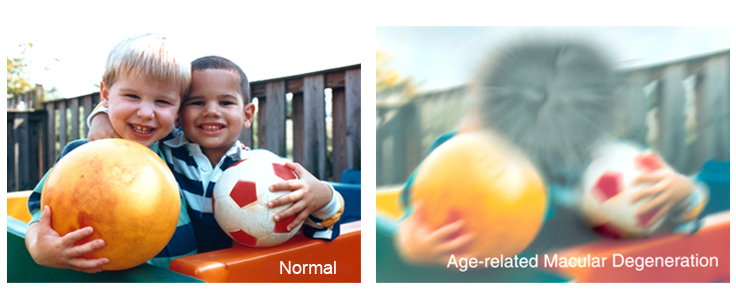
 Save Your Vision Month is here.