
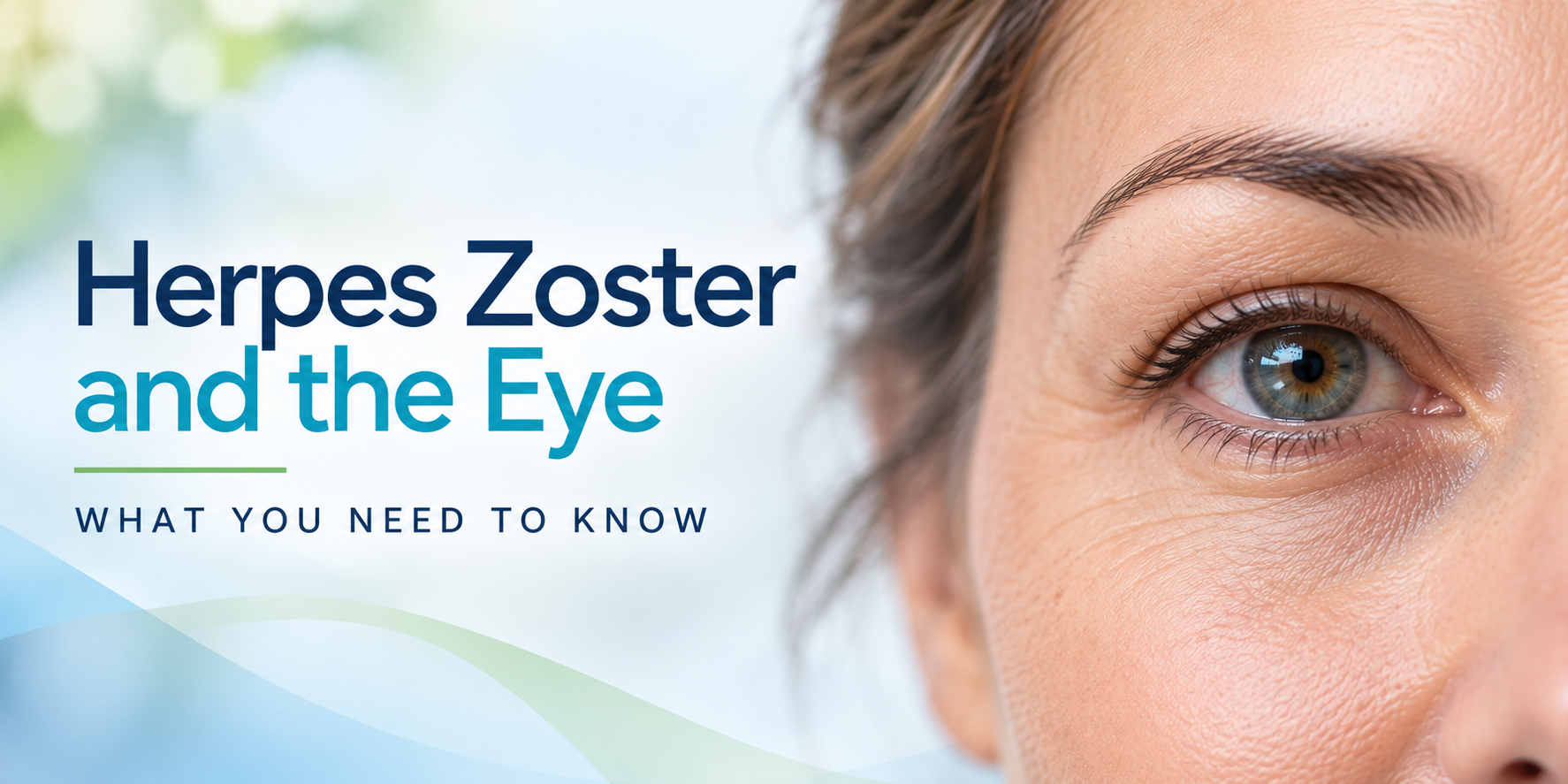
Herpes Zoster and the Eye: What You Need to Know

Herpes zoster, commonly known as shingles, is a viral infection caused by the varicella-zoster virus (VZV)—the same virus that causes chickenpox. After a person recovers from chickenpox, the virus remains inactive in the nervous system and can reactivate years or even decades later as shingles.

Most people associate shingles with a painful, blistering skin rash. However, when shingles develops on the face, it can sometimes affect the eye and surrounding tissues. This condition, called herpes zoster ophthalmicus (HZO), can cause inflammation and potentially serious eye complications.

Recognizing the symptoms and receiving prompt medical care can help protect your eyes and preserve your vision.

What Is Herpes Zoster Ophthalmicus?

Herpes zoster ophthalmicus occurs when the varicella-zoster virus reactivates in the ophthalmic branch of the trigeminal nerve, which provides sensation to the forehead, upper eyelid, and parts of the eye.

The condition typically affects one side of the face. A shingles rash may appear on the forehead, scalp, eyelid, or around the eye. In some people, the eye itself also becomes involved.

Shingles can affect several parts of the eye, including the eyelids, conjunctiva, cornea, iris, retina, and optic nerve.

What Are the Symptoms of Shingles in the Eye?

Symptoms may begin before the characteristic shingles rash appears. A person may initially experience burning, tingling, itching, pain, or unusual sensitivity on one side of the forehead or face.

Other signs and symptoms may include:

  • A painful or blistering rash on one side of the forehead, scalp, eyelid, or nose
  • Swelling around the eye or eyelid
  • Eye redness
  • Eye pain or discomfort
  • Sensitivity to light
  • Watery eyes
  • Blurred or decreased vision
  • Headache or general fatigue

A rash on the tip or side of the nose can sometimes indicate an increased likelihood of eye involvement because the affected nerve branch also supplies structures within the eye. However, eye complications can occur even when a rash on the nose is not present.

How Can Herpes Zoster Affect Your Vision?

Not everyone with shingles near the eye develops serious eye disease, but herpes zoster ophthalmicus can affect multiple structures within the eye.

Possible complications include:

Keratitis: Inflammation of the cornea, the clear front surface of the eye. Keratitis can cause pain, light sensitivity, blurred vision, and, in some cases, corneal scarring.

Uveitis: Inflammation inside the eye that may cause redness, pain, light sensitivity, floaters, or changes in vision.

Elevated eye pressure and glaucoma: Inflammation associated with herpes zoster can sometimes increase pressure within the eye. Persistent elevated pressure may damage the optic nerve.

Corneal nerve damage: Shingles can damage nerves that provide sensation to the cornea. Reduced corneal sensation can interfere with healing and contribute to chronic eye problems.

Retinal or optic nerve involvement: Although less common, herpes zoster can affect the retina or optic nerve and may result in significant vision loss.

Some eye complications can develop or recur weeks, months, or even years after the initial shingles infection, making appropriate follow-up eye examinations important.

When Should You See an Eye Doctor?

Shingles involving the forehead, eyelid, nose, or area surrounding the eye should be evaluated promptly by a healthcare professional.

Seek medical attention especially if you experience:

  • Eye pain or redness
  • Blurred or decreased vision
  • Sensitivity to light
  • Swelling around the eye
  • A rash or blisters near the eye
  • New floaters or other sudden changes in vision

Early evaluation by an ophthalmologist can help determine whether the eye is involved and whether additional treatment is necessary.

Sudden or significant vision loss, severe eye pain, or rapidly worsening symptoms require urgent medical attention.

How Is Herpes Zoster in the Eye Treated?

Treatment typically includes oral antiviral medication to slow viral activity and reduce the risk of complications.

Treatment is generally most effective when antiviral medication is started as soon as possible, ideally within 72 hours of the rash appearing. However, people with suspected eye involvement should seek medical care even if more than 72 hours have passed.

Depending on how the eye is affected, an ophthalmologist may also prescribe medications to control inflammation, manage eye pressure, or treat other complications.

Steroid eye drops should only be used under the supervision of an eye-care professional, as they are appropriate for some complications but can worsen others if used incorrectly.

Who Is Most at Risk for Shingles?

Anyone who has previously had chickenpox can develop herpes zoster. The risk increases as the immune system becomes less effective at keeping the virus inactive.

Shingles is more common among:

  • Adults age 50 and older
  • People with weakened immune systems
  • People taking certain medications that suppress the immune system
  • People undergoing certain medical treatments

Another possible complication is postherpetic neuralgia, in which nerve pain continues for months or longer after the shingles rash has disappeared.

Can Herpes Zoster Be Prevented?

Vaccination is one of the most effective ways to reduce the risk of shingles and its complications.

The CDC recommends the Shingrix vaccine, given in two doses, for adults age 50 and older. It is also recommended for adults age 19 and older who are or will be immunodeficient or immunosuppressed because of disease or therapy.

People who have previously had shingles may still benefit from vaccination because shingles can occur more than once. Your healthcare provider can advise you about whether and when vaccination is appropriate for you.

Protecting Your Vision

Herpes zoster ophthalmicus can range from a relatively mild condition to a serious eye disease. Fortunately, early recognition, antiviral treatment, and appropriate ophthalmic care can reduce the risk of complications.

If you develop a shingles-like rash on your forehead, eyelid, nose, or around your eye—particularly if you also experience eye redness, pain, light sensitivity, or changes in vision—do not wait for symptoms to worsen. Seek medical attention promptly.

At the Discovery Eye Foundation, we believe that education, research, and early intervention are essential to protecting sight. Understanding the warning signs of eye disease empowers people to seek appropriate care and take an active role in preserving their vision.



Cataract Awareness Month: Understanding Cataracts and Protecting Your Vision

June is Cataract Awareness Month, a time dedicated to educating people about one of the leading causes of vision loss worldwide. Cataracts are incredibly common, especially as we age, but the good news is that they are also highly treatable. By learning the signs and seeking timely care, you can take important steps to preserve your vision and maintain your quality of life.

What Is a Cataract?

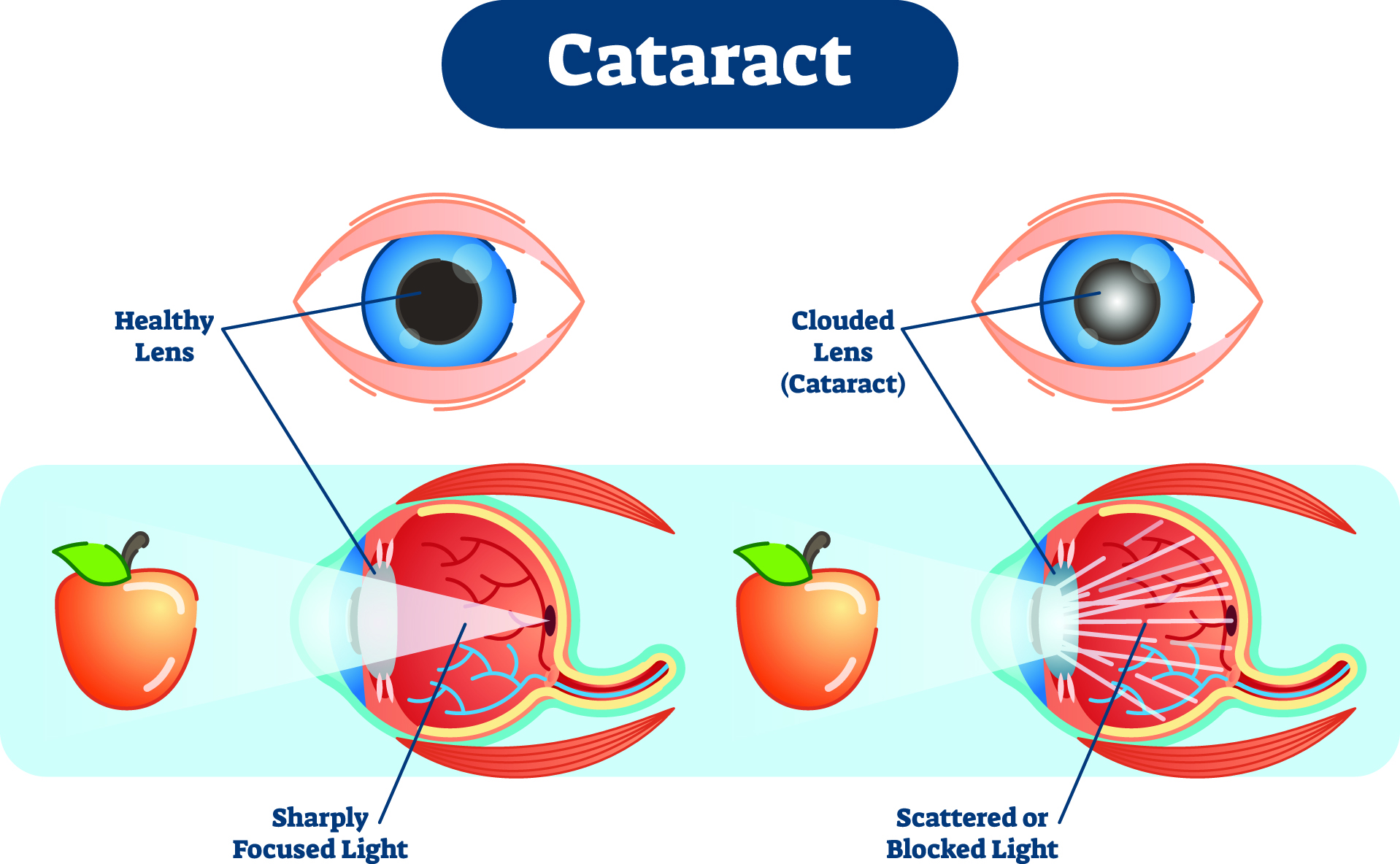
A cataract occurs when the eye’s natural lens becomes cloudy. Normally, the lens which is behind the colored iris and pupil, is clear and helps focus light onto the retina, allowing us to see sharp images. As a cataract develops, the clouding of the lens can make vision appear blurry, hazy, or dim.

Cataracts often develop slowly and may not noticeably affect vision at first. However, over time, they can interfere with everyday activities such as reading, driving, and recognizing faces.

Common Symptoms of Cataracts

Symptoms may include:

  • Blurry or cloudy vision
  • Increased sensitivity to light and glare
  • Difficulty seeing at night
  • Colors appearing faded or yellowed
  • Frequent changes in eyeglass prescriptions
  • Seeing halos around lights
  • Double vision in one eye

If you experience any of these symptoms, schedule a comprehensive eye examination with your eye care professional.

Who Is at Risk?

While aging is the most common cause of cataracts, several factors can increase your risk, including:

  • Age 60 and older
  • Diabetes
  • Smoking
  • Excessive exposure to ultraviolet (UV) light
  • Long-term use of certain medications, such as corticosteroids
  • Previous eye injuries or surgeries
  • Family history of cataracts

Can Cataracts Be Prevented?

Although cataracts cannot be prevented, certain healthy habits may help lower your risk:

  • Wear sunglasses that block 100% of UVA and UVB rays
  • Quit smoking
  • Eat a healthy diet rich in fruits and vegetables
  • Manage chronic conditions such as diabetes
  • Schedule regular comprehensive eye exams

Treatment for Cataracts

In the early stages, stronger lighting, updated eyeglasses, or magnifying lenses may help manage symptoms. However, when cataracts begin affecting daily activities, cataract surgery may be recommended.

Cataract surgery is one of the most common and successful procedures performed today. During the procedure, the cloudy lens is removed and replaced with a clear artificial lens, helping restore vision and improve quality of life for millions of people each year.

The Importance of Early Detection

Regular eye exams play a critical role in detecting cataracts and other eye diseases early, often before symptoms become severe. Early diagnosis allows you and your eye care provider to monitor changes and determine the most appropriate treatment plan.

This Cataract Awareness Month, Take Action for Your Vision

Cataracts are a normal part of aging for many people, but vision loss doesn’t have to be.  Understanding the symptoms, knowing your risk factors, and prioritizing routine eye care can help you maintain healthy vision for years to come.

Your sight is precious. Schedule your comprehensive eye exam and encourage your loved ones to make their eye health a priority this Cataract Awareness Month.


The Discovery Eye Foundation is committed to finding the answers that will preserve the vision of millions of people.

Our groundbreaking research needs your help to move forward!  

Your donation can make a difference. 

Donate Now

Does Blue Light Damage Your Eyes?

If you’ve spent any time on a screen (which is basically everyone), you’ve probably heard warnings about blue light. It’s blamed for everything from eye strain to permanent vision damage—but how much of that is actually true?
Let’s separate fact from hype.

What Is Blue Light?

Blue light is a high-energy, short-wavelength light naturally emitted by the sun. It’s also produced by digital screens—phones, laptops, tablets, and LED lighting.

Not all blue light is bad. In fact, it plays an important role in:

  • Regulating your sleep-wake cycle (circadian rhythm)
  • Boosting alertness and mood during the day

The Big Question: Does It Damage Your Eyes?

Short answer: There’s no strong evidence that blue light from screens causes permanent eye damage.

Most of the concern comes from laboratory studies where retinal cells were exposed to extremely high levels of blue light—far beyond what your devices produce.

In real-world use:

  • The amount of blue light from screens is very low
  • It is not proven to cause retinal damage or blindness

So if you’re worried about screens “destroying your eyes,” the science doesn’t support that.

So Why Do Your Eyes Feel So Tired?

This is where blue light gets unfairly blamed.

What you’re actually experiencing is digital eye strain (also called computer vision syndrome), caused by:

  • Reduced blinking while using screens
  • Long periods of near focus
  • Poor lighting or screen glare

Common symptoms include:

  • Dry or irritated eyes
  • Blurry vision
  • Headaches
  • Eye fatigue

What About Blue Light Glasses?

Blue light–blocking glasses are heavily marketed, but their benefits are limited.

Current evidence suggests:

  • They may help with sleep if used in the evening
  • They do not significantly reduce eye strain for most people

In other words, they’re not harmful—but they’re not a magic solution either.

The Real Impact: Sleep Disruption

The strongest evidence against blue light is its effect on sleep.

Exposure to screens at night can:

  • Suppress melatonin (your sleep hormone)
  • Delay sleep onset
  • Reduce sleep quality

This is why scrolling your phone before bed often makes it harder to fall asleep.

What Actually Helps?

Instead of focusing only on blue light, these habits make a bigger difference:

  • Follow the 20-20-20 rule
    Every 20 minutes, look at something 20 feet away for 20 seconds
  • Blink more often
    (Seriously—people blink up to 60% less on screens)
  • Adjust your screen
    Reduce brightness and avoid glare
  • Use night mode on your phone or tablets in the evening
    Helps reduce sleep disruption
  • Limit screens before bed
    Ideally 1–2 hours before sleeping

Bottom Line

Blue light from screens is not likely to damage your eyes permanently.

However, excessive screen use can lead to:

  • Eye strain
  • Dryness
  • Poor sleep

So the real issue isn’t blue light itself—it’s how long and how often we use our devices.

Recovery After Eye Surgery: Do’s and Don’ts for Faster Healing

Recovering from eye surgery—whether it’s LASIK, cataract surgery, or retinal procedures—requires proper care to ensure the best results.Many patients underestimate how important post-operative care is; however, following the right steps can speed up healing and prevent complications.


In this guide, we’ll cover the most important do’s and don’ts after eye surgery to help you protect your vision and recover safely. Additionally, these tips will support a smoother and more comfortable recovery process.”

Do’s After Eye Surgery

  1. Follow Post-Operative Instructions Carefully – Your ophthalmologist provides personalized instructions based on your procedure. These may include:
    • Medication schedules
    • Activity restrictions
    • Eye protection guidelines
  1. Use Prescribed Eye Drops Consistently

Eye drops are essential for:

    • Preventing infection
    • Reducing inflammation
    • Keeping the eyes moist
    • Missing doses can delay healing and increase risks.
  1. Protect Your Eyes at All Times – After surgery, your eyes are more sensitive.

Protect them by:

    • Wearing sunglasses outdoors
    • Using protective shields while sleeping
    • Avoiding dust and wind exposure 
  1. Limit Screen Time – Digital screens can strain your eyes and slow recovery.

Try to:

    • Take frequent breaks (20-20-20 rule)
    • Reduce phone and computer usage
    • Avoid prolonged reading
  1. Maintain Proper Eye Hygiene
    • Wash hands before touching near your eyes
    • Avoid contamination from towels or tissues
    • Keep your surroundings clean
  1. Attend Follow-Up Appointments – Follow-up visits allow your doctor to monitor healing and catch complications early.


Don’ts After Eye Surgery 

  1. Don’t Rub Your Eyes

Rubbing your eyes can:

    • Damage healing tissues
    • Disrupt surgical results
    • Increase infection risk
  1. Avoid Water Exposure

Stay away from:

    • Swimming pools
    • Hot tubs
    • Direct water spray in showers
    • Water may contain bacteria that can cause infection.
  1. Don’t Wear Eye Makeup Immediately

To reduce risk, avoid makeup for at least 1–2 weeks to prevent irritation and contamination.

  1. Avoid Strenuous Activities—ask your doctor what is allowed

Heavy lifting and intense workouts can increase eye pressure and delay healing.

  1. Don’t Skip Medications

Even if you feel fine, stopping medication early can lead to complications.

  1. Don’t Drive Until Cleared

Blurred vision and light sensitivity are common after surgery. Only drive when your doctor approves.


How Long Does Eye Surgery Recovery Take?

Recovery time depends on the procedure:

    • LASIK: 24–48 hours initial recovery
    • Cataract surgery: A few days –2 weeks for functional vision
    • Retinal surgery: Several weeks

Full healing may take longer depending on individual factors.


Signs of Complications After Eye Surgery

Contact your ophthalmologist immediately if you experience:

  • Sudden vision loss
  • Severe eye pain
  • Increased redness
  • Light flashes or floaters
  • Eye discharge 

Tips for Faster Recovery After Eye Surgery

  • Stay hydrated
  • Get enough sleep
  • Avoid smoking and alcohol

Conclusion

Proper recovery after eye surgery is essential for achieving the best results. In fact, by following these do’s and don’ts, you can minimize risks, heal faster, and protect your vision long-term.

Always consult your surgeon if you’re unsure about any part of your recovery process.

Dry Eye vs. Allergies: How to Tell the Difference

Itchy, watery, red eyes can make anyone miserable. But are your symptoms from dry eye or allergies? While the two conditions often feel similar, they have very different causes and treatments. Knowing the difference can help you get the right relief.

What Is Dry Eye?

Dry eye happens when your eyes don’t produce enough tears, or when the tears evaporate too quickly. Healthy tears keep the surface of the eye smooth, nourished, and protected. When this system doesn’t work properly, you may notice:

  • Burning or stinging sensation
  • Grittiness (like sand in the eye)
  • Blurred vision that clears with blinking
  • Redness
  • Discomfort that worsens later in the day or after screen time
  • Dry eye is often related to aging, contact lens use, certain medications, medical conditions, or spending lots of time staring at digital screens. 

What Are Eye Allergies?

Eye allergies—also called allergic conjunctivitis—occur when your eyes react to allergens like pollen, dust, pet dander, or mold. Your immune system triggers a histamine response, leading to inflammation and classic allergy symptoms such as:

  • Itching eyes (the hallmark sign)
  • Red, watery eyes
  • Many times there is also nasal congestion and sneezing
  • Swelling around the eyelids
  • Stringy, clear discharge
  • Symptoms that flare up seasonally (like during spring or fall) or in specific environments
  • Unlike dry eye, allergies are immune-driven and often come with other allergy symptoms like sneezing or a runny nose.

Key Differences Between Dry Eye and Allergies

Symptom/Feature Dry Eye Allergies
Main Sensation Burning, stinging, gritty Itching
Tear Quality Too few or poor-quality tears Excess watery tears
Discharge Usually minimal, stringy mucus Clear, watery, or stringy discharge
Timing Worse at end of day, with screen use Flare-ups tied to allergen exposure
Other Symptoms Blurred vision, eye fatigue Sneezing, nasal congestion
Relief From Artificial tears, lifestyle changes Antihistamines, avoiding allergens


Can You Have Both?

Yes—some people experience both dry eye and allergies at the same time. For example, if your eyes are already dry, allergens may irritate them more. And some allergy medications (like oral antihistamines) can actually make dry eye worse by reducing tear production.


When to See an Eye Doctor

If you’re unsure whether your symptoms are from dry eye, allergies, or both, it’s best to consult an eye care professional. They can perform tests to measure tear production, check for inflammation, and help you find the right treatment plan.


Bottom Line

Both dry eye and allergies can make your eyes feel irritated, red, and watery—but the root causes are very different. Pay attention to whether you experience burning and dryness (more likely dry eye) or itching and watery discharge (more likely allergies). Correctly identifying the problem is the first step toward lasting relief.

Smoking and Vision Loss

Smoking has long been known to cause heart disease and lung cancer; however many people do not realize that smoking can lead to serious loss of vision. Cigarette smoke contains thousands of chemicals that can damage many organs in our bodies, including our eyes. Over time, smoking can cause serious eye diseases that can cause permanent vision issues.

The following eye diseases can be made worse by smoking:

  • Age-related Macular Degeneration(AMD) – an eye disease that affects central vision. You need central vision to see objects clearly and for common tasks such as reading, recognizing faces, and driving.
  • Cataracts – cause blurry vision that progresses over time. Without surgery, cataracts can lead to serious vision loss. The best way to protect your sight from damage linked to smoking is to quit or never start smoking.
  • Glaucoma – causes a gradual breakdown of the cells that make up the optic nerve which sends visual information to your brain.. As the nerve cells die, vision is slowly lost, usually beginning with side vision. Often the loss of vision is not noticeable until a significant amount of nerve damage has occurred. This is why as many as half of all people with glaucoma may be unaware that they have the disease.
  • Diabetic Retinopathy – a common complication of diabetes. It affects the tiny blood vessels of the retina in the eye. Retinal blood vessels can break down, leak or become blocked and this can affect vision over time. In some people with diabetic retinopathy, serious damage to the eye can occur when new blood vessels grow on the surface of the retina.
  • Dry Eye Syndrome – is a condition where eyes do not produce enough tears and lubrication may result in more prominent blood vessels on the eye This can lead to eye irritation, burning, scratchy and painful eyes.

Symptoms of Eye Diseases Related to Smoking:

Age-related Macular Degeneration (AMD):

    • Loss of central vision needed to see details straight ahead.
    • Blurry or wavy areas in the central vision.
    • Difficulty recognizing faces.
    • Need for more light to read or perform other tasks.

Cataracts:

    • Cloudy or blurry vision.
    • Colors appearing faded or dull.
    • Sensitivity to light.
    • Trouble seeing at night.
    • Double vision.

Diabetic Retinopathy:

    • Blurry or distorted vision.
    • Dark or empty areas in vision.
    • Difficulty seeing colors.

Dry Eye Syndrome:

    • Scratchy, burning, or painful sensations.
    • Red eyes
    • Excessive tearing.
    • Blurry vision.

How Can You Protect Your Vision Related to Smoking?

The best way to protect your eyes is to QUIT SMOKING.  According to the National Eye Institute (NEI), quitting smoking lowers the risk of developing eye diseases. Your eyes can begin to recover and your overall health will improve.

Here are some tips to protect your eyes:

  • Eat Healthy Foods: Add leafy greens like spinach and kale to your meals. Fish high in omega-3 fatty acids, like salmon and tuna, are also good for your eyes.
  • Wear Sunglasses: Protect your eyes from the sun by wearing sunglasses. Look for sunglasses that block 99 to 100 percent of UVA and UVB rays. Sunglasses help even on cloudy days.
  • Get Regular Eye Exams: Schedule regular check-ups with an eye doctor. Early detection of eye problems can lower your risk of serious diseases. If eye diseases run in your family, early care is especially important.

If you smoke cigarettes and are concerned about your vision, consult with your health care provider about ways to quit smoking to help protect your eyes.  You can also find resources to help you on your journey to living a smoke-free life at Smokefree.gov.

June is Cataract Awareness Month


National Cataract Awareness Month is celebrated in June. The awareness campaign promotes information about the eye condition that is the leading cause of treatable vision loss in the U.S.?  Yes, this is a scary fact, but no need to be frightened because cataracts are treatable with an outpatient surgery.

Vision loss from cataract is caused by clouding on the lens of the eye. The lens of the eye is behind the colored iris and its dark center pupil. Cataract surgery removes the cloudy lens and replaces it with a crystal-clear artificial lens.  This common eye condition mostly affects people over 50 and the causes can range from simple aging, diabetes, long-term eye diseases, and eye injury/inflammation, to factors like hereditary influences, smoking, intake of certain oral steroids, and so forth.


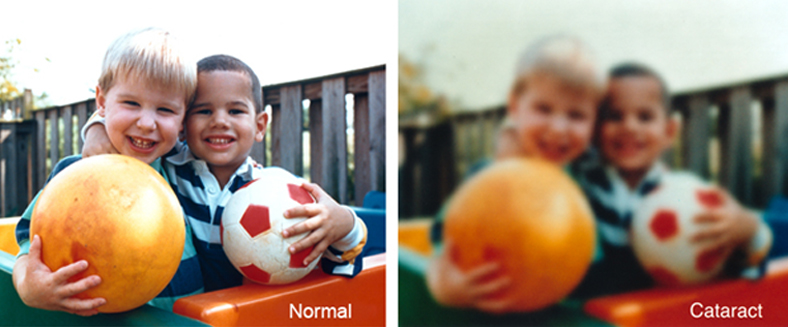
Cataract Vision Simulator

Although there may be no early symptoms, patients may begin to notice:

  • cloudy or blurry vision
  • colors that look faded
  • difficulty seeing at night
  • a halo around lights, making night driving difficult
  • seeing double out of the affected eye
  • frequent changes of the prescription of eyeglasses or contact lenses


YOUR DIET IS VERY IMPORTANT

A healthy diet may help reduce risk of and/or delay formation and progression of cataracts. Research suggests that a diet high in vitamin C-rich foods — citrus (oranges, kiwi, lemon, grapefruit), bell peppers, strawberries, tomatoes, cruciferous vegetables (broccoli, Brussels sprouts, cabbage, cauliflower) — is helpful in slowing the progression of cataracts. More importantly, adopting good nutrition is a cornerstone of optimizing health early in life and can greatly reduce the risk of developing age-related diseases including cataracts.  For eye healthy recipes visit discoveryeye.org/eye-cook-delicious-food-health/


BE SURE TO HAVE AN ANNUAL EYE EXAM

By age 40, all adults should visit an eye specialist for a comprehensive eye exam to screen for early-stage cataracts and other eye diseases that are leading causes of low vision and even blindness. By age 65, a routine eye exam is recommended every year, in most cases to diagnose cataracts that are progressively clouding the lens. Cataract can be more common in people with diabetes, after eye trauma or in those taking corticosteroid medications. A comprehensive eye exam allows eye specialists to detect and monitor cataract progression as well as diagnosing other problems such as glaucoma. Patients should discuss with their eye specialist their vision problems and seek guidance about the timing of cataract surgery when worsening vision has compromised their quality of life and normal functioning.


LIVE A HEALTHY LIFESTYLE 

Multiple factors are at play that increase our risk for developing a degenerative eye disease or vision compromising conditions as we age.  If an individual lives long enough, then cataract formation is unavoidable. Living a healthy lifestyle, however, greatly improves an adult’s odds of avoiding early onset, faster progression, or possibly even avoiding the need for cataract surgery in the future.


WHY WE PROMOTE CATARACT AWARENESS MONTH

It’s a celebration of sight – The ability to see the world clearly and in all its glory is something we shouldn’t take for granted. Millions upon millions of cells perform complex operations in our eyes to allow us the gift of sight. We should take care of our eyes and appreciate our glorious vision for what it is.

It’s a celebration of science – Science has not only explained to us how intricately our eyes work, but it has also revealed to us the many ways we can repair and treat them in case things go south. Medical advancements have ensured that about 80% of all eye diseases are treatable or can be prevented.

It’s a celebration of modern surgery – There’s “always” light at the end of the tunnel. Today’s cataract surgery is a modern-day miracle developed by dedicated surgeons over the last five decades.  For most of us it is a painless, outpatient surgery with rapid return of excellent vision.

For more information about cataract:

https://discoveryeye.org/eye-conditions/cataracts/

May is Healthy Vision Month

Welcome to May, when we celebrate Healthy Vision Month! As we embark on this month-long journey of raising awareness about the importance of eye health, the Discovery Eye Foundation is thrilled to join the cause.

Our vision is a precious gift and it’s crucial to take proactive steps to maintain it. In this blog post, we’ll explore the significance of Healthy Vision Month and share valuable tips to help you safeguard your eyesight for years to come.

Healthy Vision Month is more than just an annual observance; it’s a reminder of the critical role that vision plays in our daily lives. Our eyes enable us to experience the world around us, from admiring breathtaking landscapes to connecting with loved ones through meaningful eye contact and so much more. According to the American Academy of Ophthalmology, approximately 75% of adults use some form of vision correction, highlighting the prevalence of vision issues in society. However, many people overlook the importance of regular eye care until they encounter vision problems. By dedicating the month of May to promoting eye health awareness, we can empower individuals to prioritize their vision and take proactive measures to preserve it.

Here are a few ways you can help protect your vision

  • Get an annual comprehensive dilated eye exam.
  • Know your family’s eye health history. It’s important to know if anyone has been diagnosed with an eye disease or condition, since some are hereditary.
  • Eat right to protect your sight: In particular, eat plenty of dark leafy greens such as spinach, kale, or collard greens, and fish that is high in omega-3 fatty acids such as salmon, albacore tuna, trout, and halibut. Visit Eye Cook for eye healthy recipes.
  • Maintain a healthy weight and exercise regularly.
  • Wear protective eyewear when playing sports or doing activities around the home, such as painting, yard work, and home repairs.
  • Quit smoking or never start.
  • Wear sunglasses that block 99 -100 percent of ultraviolet A (UVA) and ultraviolet B (UVB) radiation.
  • Wash your hands before taking out your contacts and cleanse your contact lenses properly to avoid infection.
  • Practice workplace eye safety.

Taking care of your eyes also may benefit your overall health. People with vision problems are more likely than those with good vision to have diabetes, poor hearing, heart problems, high blood pressure, lower back pain and strokes, as well as have increased risk for falls, injury and depression.

In addition to your comprehensive dilated eye exams, visit an eye care professional if you have:

  • Decreased vision
  • Eye pain
  • Drainage or redness of the eye
  • Double vision
  • Diabetes
  • New floaters (tiny specks that appear to float before your eyes)
  • Circles (halos) around light sources or if you see flashes of light

For this Healthy Vision Month, take care of your eyes to help them last a lifetime.

April is Women’s Eye Health Month

April is Women’s Eye Health Month to educate women about the steps they can take today to help preserve vision in the future. 

Did you know that more women suffer from visual impairments than men? Two thirds of blindness occurs in women. One reason why women are affected by more eye health issues than men is because they tend to live longer and according to the National Eye Institute, women are also affected by hormonal factors.  Some eye conditions can cause vision loss and even blindness. These include:

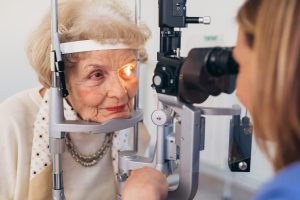
The easiest way to test for common eye problems is a dilated eye exam – in which your eye doctor uses drops to widen your pupils and check for common issues.  This exam is the best way to detect eye disease’s early stages.

Good Eye Habits to Lessen or Prevent Future Vision Problems

  • Receive an annual eye exam. Regular dilated eye exams help monitor your vision status.
  • Eat a healthy diet. Good nutrition is the key to good health, including your vision. Dark green vegetables have been shown to reduce the risk of age-related macular degeneration (AMD) potentially. Also, remember to keep your diet low in sodium and caffeine. Visit our website for eye healthy recipes  discoveryeye.org/eye-cook-delicious-food-health/
  • Quit smoking today. Crushing the habit of smoking can reduce the risk of a host of diseases such as cancer and respiratory issues. Smoking is the most important risk factor for AMD and progression.

Having healthy eyes not only keeps us alert but keeps us safe. It is of the utmost importance to keep our eyes safe and have regular eye exams to check for any problems.

March is Save Your Vision month

From wearing the right eye wear and getting regular exams to eating right and caring for your lenses, there are many things you can do to protect your vision.

 Healthy vision starts with you!  Follow these tips to take care of your eyes.

  • Get regular comprehensive dilated eye exams – You may not have any symptoms or eye problems. But visiting your eye care professional for a comprehensive dilated eye exam is the only way to be sure. Some people also don’t realize they could see better with glasses or contact lenses.

A dilated eye exam is the only way to detect some common eye diseases in their early stages. These includes conditions like glaucoma, diabetic retinopathy, and age-related macular degeneration (AMD). During a comprehensive dilated eye exam, your eye care professional places drops in your eyes to dilate them. This allows more light to enter the eye so your doctor can examine for any signs of damage or disease.

  • Know your family’s eye health history – Talk to your family members about their eye health history. It’s important to know since some eye disease or condition are hereditary. This information will help to determine if you’re at higher risk for developing eye problems.

Studies show that you are at an increased risk for eye disease if you have an immediate family member with eye disease, including cataracts, glaucoma, diabetic retinopathy and age-related macular degeneration (AMD). Knowing your family history and informing your ophthalmologist or optometrist.

  • Eat right to protect your sight – Research shows eye health benefits from fish high in omega-3 fatty acids, such as salmon, tuna, and halibut. Eating plenty of dark leafy greens such as spinach, kale, or collard greens as well as fruits and vegetables will help keep your eyes healthy.  Visit our website for eye healthy recipes discoveryeye.org/eye-cook-delicious-food-health/ 
  • Maintain a healthy weight – Being overweight or obese can increase the risk of developing type 2 diabetes and other chronic conditions that could damage your eyes.  If you’re having trouble maintaining a healthy weight, talk to your doctor.
  • Wear sunglasses – Sunglasses are a great fashion accessory, but most importantly, they protect your eyes from the sun’s ultraviolet (UV) rays. When purchasing sunglasses, look for ones that block out 99 to 100% of UV-A and UV-B radiation. 
  • Wear protective eyewear – Protective eyewear prevents eye injuries in the workplace (if needed), while playing sports or doing other activities that could cause damage. They include:
    • Safety glasses and goggles for working and repairing.
    • Safety shields for working at your hobby—gardening, home repairs.
    • Eye guards designed for specific activities and sports.
  • Most protective eyewear lenses are made of polycarbonate, which is 10 times stronger than other plastics. Many eye care providers sell protective eyewear, as do some sporting goods stores. Employers are required to provide a safe work environment, including protective eyewear if needed.
  • Quit smoking or never start – Smoking is as bad for your eyes as it is for the rest of your body. Research has linked smoking to an increased risk of developing:
    • Age-related macular degeneration
    • Cataracts
    • Optic nerve damage
    • Heart disease, lung diseases and various cancers including lung cancer
  • Clean your hands and contact lenses properly – To avoid the risk of infection, always wash your hands thoroughly before putting in or taking out your contact lenses. Disinfect contact lenses as instructed and replace them as directed by your eye care professional.

Eyes and Overall Health

Taking care of your eyes also may benefit your overall health. Some health conditions such as diabetes and high blood pressure can affect your eyes at the initial stage. The eye exam can tell you and your doctor if there are any underlying health conditions that need attention.

In addition to your comprehensive dilated eye exam, visit an eye care professional if you have:

  • Decreased vision
  • Eye pain
  • Drainage or redness of the eye
  • Double vision
  • Floaters (tiny specks that appear to float before your eyes)
  • Circles (halos) around light sources
  • Flashes of light


Another way to Save Your Vision is by supporting sight-saving research at the Discovery Eye Foundation.

DONATE NOW