

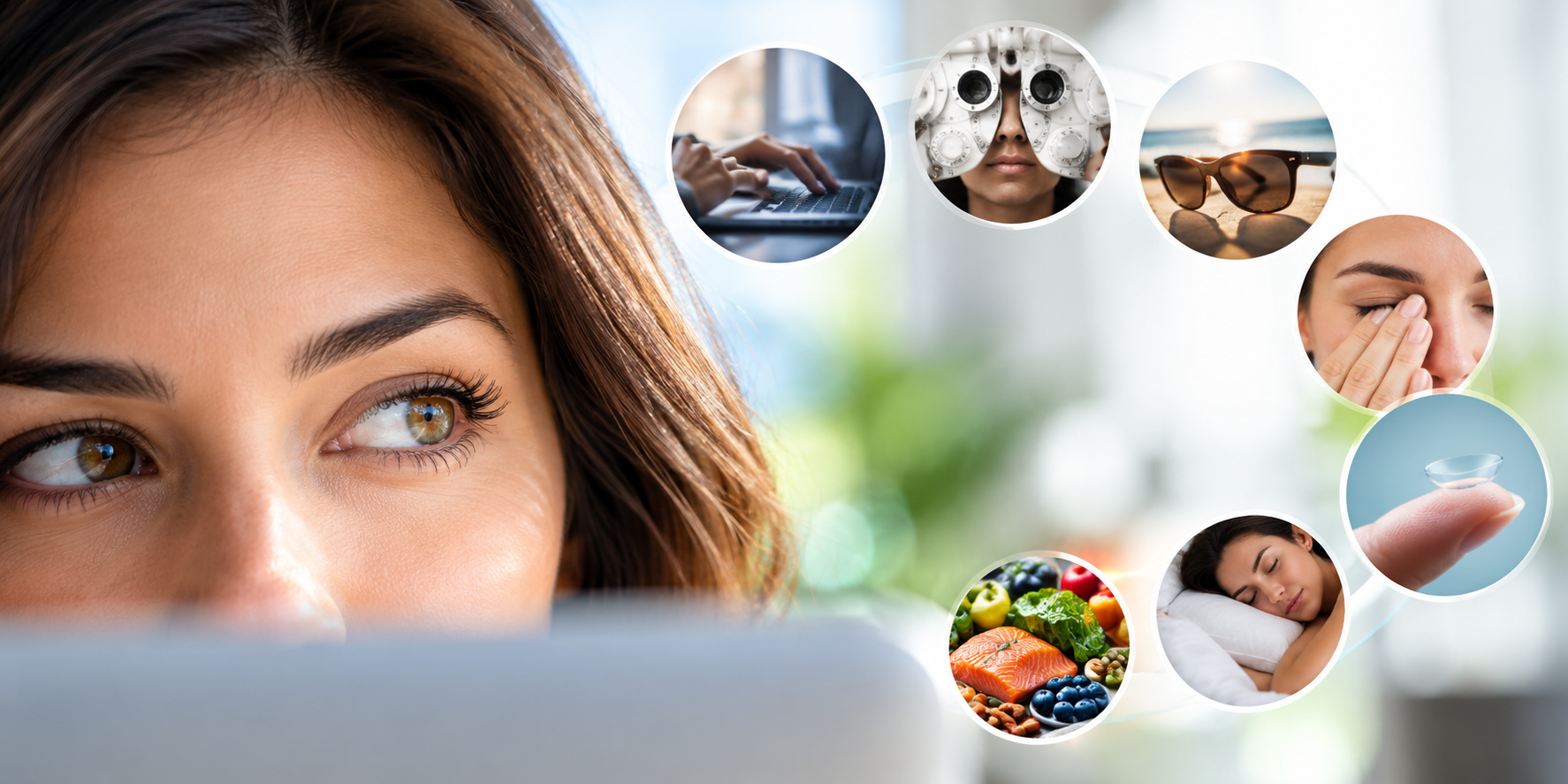
Your daily habits may be affecting your eye health more than you realize. From spending hours looking at digital screens to skipping routine eye exams, certain everyday behaviors can cause discomfort or increase your risk of vision problems. Fortunately, simple changes can help protect your eyesight.
- Spending Too Much Time on Screens
Prolonged screen use can cause dry eyes, blurry vision, and headaches. Follow the 20-20-20 rule: Every 20 minutes, look at something 20 feet away for 20 seconds to reduce eye strain.
- Skipping Regular Eye Exams
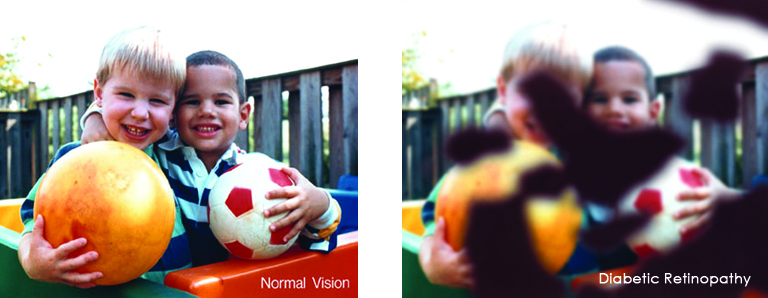
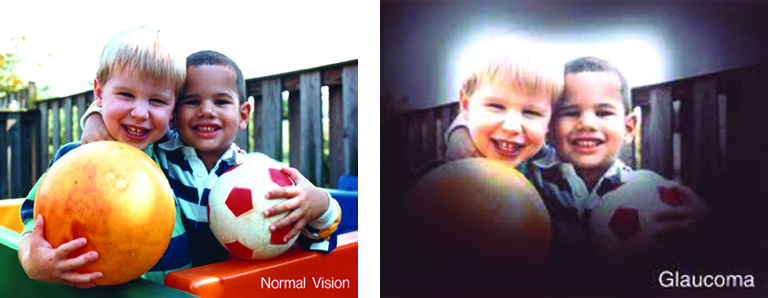
Many eye diseases, including glaucoma and diabetic retinopathy, develop without noticeable early symptoms. Regular comprehensive eye exams can detect problems before permanent vision loss occurs.
- Not Wearing Sunglasses
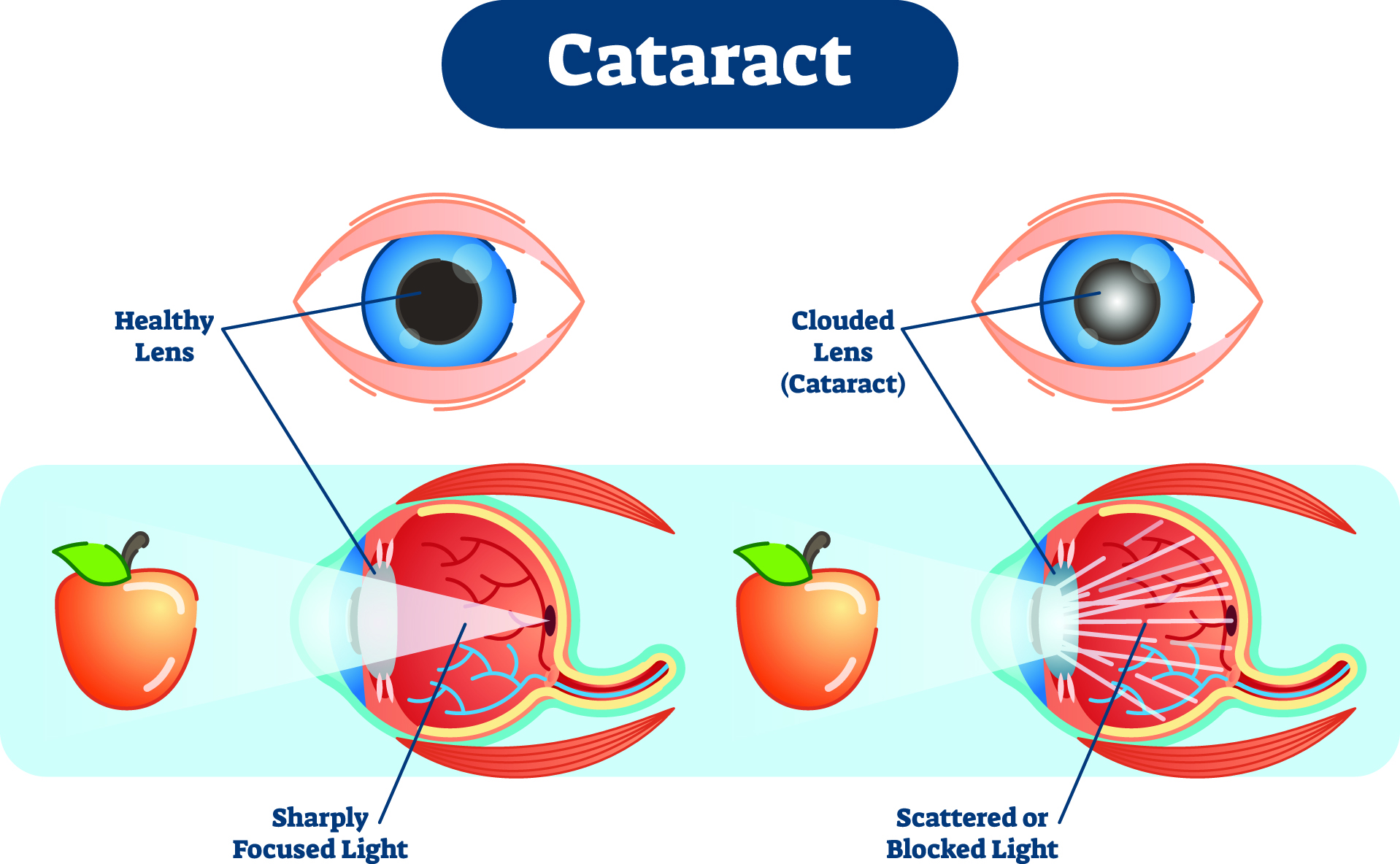
Exposure to ultraviolet (UV) rays increases the risk of cataracts and other eye conditions. Wear sunglasses that block 99–100% of UVA and UVB rays, even on cloudy days.
- Rubbing Your Eyes
Frequent or aggressive eye rubbing can irritate the eyes and is associated with corneal conditions such as keratoconus. Instead, use artificial tears or a cool compress to relieve irritation.
- Sleeping in Contact Lenses
Sleeping in contact lenses increases the risk of serious eye infections that can threaten your vision. Remove your lenses before bed unless your eye doctor has specifically prescribed overnight wear.
- Neglecting Nutrition and Overall Health
A balanced diet rich in leafy greens, colorful fruits, and omega-3 fatty acids supports healthy vision. Managing diabetes, blood pressure, and cholesterol is also important for protecting your eyes. Click here for eye healthy recipes https://discoveryeye.org/eye-cook-delicious-food-health/
- Ignoring Changes in Your Vision
Blurry vision, difficulty seeing at night, or persistent eye discomfort may indicate an underlying problem. Never ignore vision changes, and seek immediate medical attention for sudden vision loss, flashes, or new floaters.
Protect Your Vision for the Future
Small changes in your daily routine can make a meaningful difference in maintaining healthy eyesight. Regular eye exams, healthy lifestyle choices, and early detection are essential to preventing avoidable vision loss.
At the Discovery Eye Foundation (DEF), we are dedicated to advancing eye research, increasing awareness, and supporting discoveries that help preserve sight for future generations.
Your vision is precious. Protect it today for a clearer tomorrow.
 Recovering from eye surgery—whether it’s LASIK, cataract surgery, or retinal procedures—requires proper care to ensure the best results.Many patients underestimate how important post-operative care is; however, following the right steps can speed up healing and prevent complications.


 Here are a few ways you can help protect your vision
 Low vision affects millions of Americans — including many older adults. People with low vision aren’t blind, but because of their vision loss, they may not be able to do everyday tasks like driving or reading even with glasses.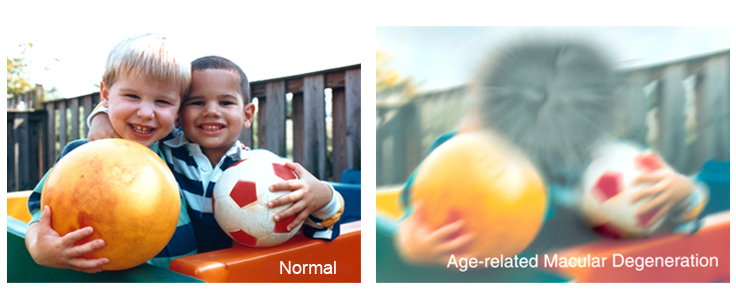
 Save Your Vision Month is here.