
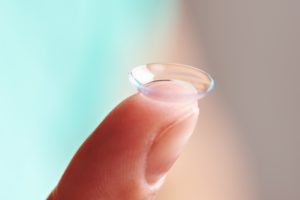
If you’ve ever slept in your contact lenses, worn disposable lenses past the prescribed replacement schedule, rinsed your contact lenses with tap water or gone for a dip in the community pool without removing contacts from your eyes first, it’s time to rethink your habits.
 Most problems associated with contact lenses cause minor irritation, but serious eye infections from poor lens hygiene can be extremely painful and may lead to permanent vision loss. About 80 to 90 percent of contact lens-related eye infections are bacterial. A type of infection you can get is called pseudomonas aeruginosa, a fast-growing bacterial infection that can lead to a hole in your cornea. Unfortunately, patients who get this infection have a high chance of permanent scarring and vision loss. Beyond bacteria, fungal infections are also potential threats to your vision.
Do:
- Always wash and thoroughly dry your hands before handling contact lenses.
- Carefully and regularly clean contact lenses as directed by your eye care specialist. If recommended, rub the contact lenses with your fingers and rinse them thoroughly before soaking the lenses overnight in multipurpose solution that completely covers each lens.
- Store lenses in the proper lens storage case, and replace the case at least every three months. Clean the case after each use, and keep it open and dry between cleanings.
- Use only fresh solution to clean and store contact lenses. Never reuse old solution—it loses its effectiveness. Change your contact lens solution according to the manufacturer’s recommendations, even if you don’t use your lenses daily.
- Always follow the recommended contact lens replacement schedule prescribed by your eye care specialist.
- Remove contact lenses before swimming or entering a hot tub.Avoid tap water to wash or store contact lenses or lens cases.
- See your eye care professional for your regularly scheduled contact lens and eye examination.
Don’t:
- Use cream soaps. They can leave a film on your hands that can transfer to the lenses.
- Use saliva to rinse or lubricate your contact lenses
- Use homemade saline solutions. Improper use of homemade saline solutions has been linked with a potentially blinding condition among soft lens wearers.
- Put contact lenses in your mouth or moisten them with saliva, which is full of bacteria and a potential source of infection.
- Use tap water to wash or store contact lenses or lens cases.
- Use products not recommended by your eye care specialist to clean and disinfect your lenses.
- Use saline solution and rewetting drops not designed for contact lenses.
- Sleep in contact lenses. The contact lens and your eyelid act as a double barrier, potentially trapping bacteria on the lens directly on your eyes.
 It seems like every season is allergy season. In the spring, it’s the tree and flower pollen. Summer adds grass pollen. In the fall, it’s weed pollen. People who have allergies have symptoms such as sneezing, sniffling, and nasal congestion, but allergies can affect the eyes, too. They can make your eyes red, itchy, burning, and watery, and cause swollen eyelids.
 Vision loss is feared more than the loss of any other sense and is considered to affect the quality of life more than most other issues. When it comes to children, even partial vision loss can be damaging because it can affect the way that your child learns and develops. There are several different types of issues that may affect your child’s vision. Awareness is key to prevention and treatment.
 Amanda Duffy