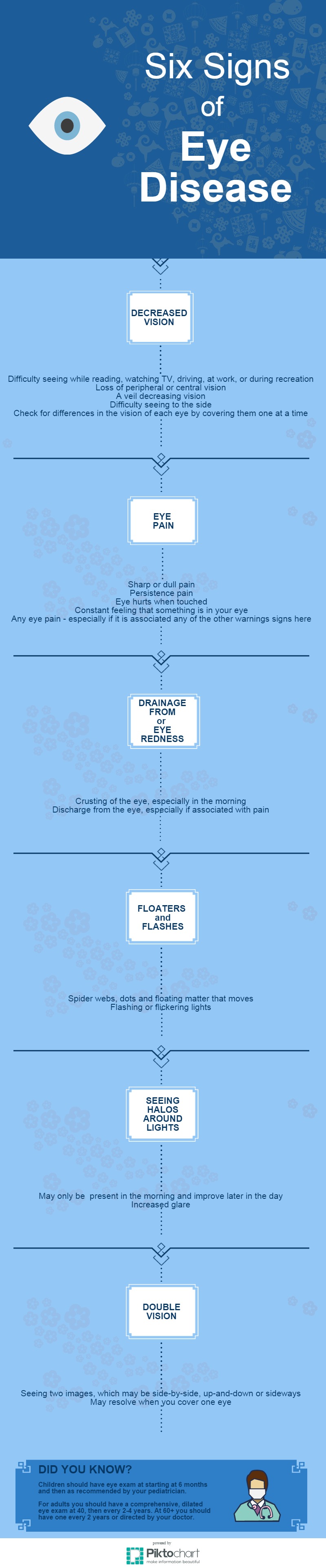
Signs of eye disease that you should be aware of for early treatment.
4/9/15
 Susan DeRemer, CFRE
Vice President of Development
Discovery Eye Foundation


Signs of eye disease that you should be aware of for early treatment.
4/9/15
Susan DeRemer, CFRE
Vice President of Development
Discovery Eye Foundation
Women account for 53% of the world’s population. However, 2/3 of the blind and visually impaired people in the world are women. While 80% of these women are in developing countries, women in developed countries like the US are still more likely to face vision loss than men.

Women are the caregivers in families, taking care of the health of family members over themselves. In addition, with many having jobs outside the home, they don’t feel they have the time to go to the doctor until something major happens, especially related to vision.
Women live longer than men are at greater risk for age-related eye diseases such as age-related macular degeneration (AMD), diabetic retinopathy, glaucoma and cataracts.
Women are more likely to develop several autoimmune diseases that can affect their eyes including, multiple sclerosis, lupus, rheumatoid arthritis and Sj?gren’s syndrome.
75% of new breast cancer diagnosed each year is estrogen-sensitive. A common part of estrogen-sensitive breast cancer treatment includes the prescription of tamoxifen. More studies are being done, but cataracts due to tamoxifen have been identified in about 10% of the patients taking the drug.
Know your family history as genetics play and important role in your eye health, so know what eye diseases run in your family. Let your eye doctor know so he can look for early warning signs that can help prevent of lessen the conditions in you.
Get routine comprehensive, dilated eye exams starting at the age of 40, to create a baseline for your doctor to work from. After that you can go every 2-4 years until the age of 60. At 60+ have a compressive, dilated exam every two years if you are symptom-free and low risk.
Eat healthy and exercise. It is important to maintain a healthy weight to reduce the risk of some eye diseases. Eating fresh fruits and vegetables is also important as they can contain carotenoids an some antioxidants that appear to help with vision retention. It should also be noted that in many studies, supplements did not show the same beneficial effects as whole foods.
Stop smoking! You not only increase your risk for cancer and heart disease, but smoking is the only thing besides advancing age that has been proven to be directly related to AMD.
Avoid ultraviolet light by wearing sunglasses (with wide-brimmed hats) and indoor glasses with UV protection. While everyone knows the sun is a source of UV light, so are electronic screens such as your TV, computer, tablet or smartphone. Prescription glasses and readers can have a clear UV coating put on them that will not distort your color vision. If you don’t need vision correction, there is eyewear with no correction that is coated to protect your eyes to avoid dry eye and retinal damage.
Use cosmetics and contacts safely. Always wash your hands first. Throw away old makeup and lens solutions. Do not share cosmetics or apply while driving. Make sure to clean your lenses thoroughly before putting them in your eyes.
Because women are relied upon to take care of the family, vision loss that can impact that responsibility can be devastating to the entire family. And later in life, when they may have outlived a spouse, the isolation and depression can destroy their quality of life as they try to cope on their own.
Reach out to women you know and remind them to take an active part in their own healthcare. Especially with regards to their vision, when women are at a higher risk of vision loss than men.
4/7/15
Susan DeRemer, CFRE
Vice President of Development
Discovery Eye Foundation
In the United States, special needs is a term used in clinical diagnostic and functional development to describe individuals who require assistance for disabilities that may be medical, mental, or psychological. Different types of special needs vary in severity. People with autism, Down syndrome, dyslexia, blindness, ADHD, or cerebral palsy, for example, may be considered to have special needs. Statistics tell us that among children ages 3 to 17, nearly 15 percent have one or more developmental disabilities. For many of these children, the kinds of disabilities they experience may require special approaches to providing care, education and/or other accommodations.
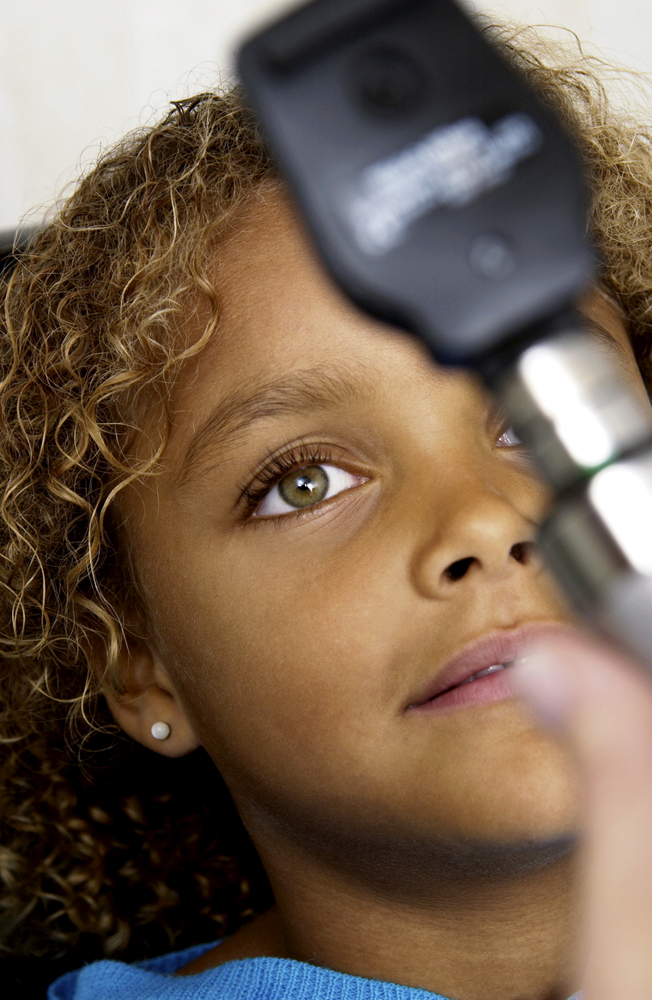
The way a special needs child behaves or reacts can sometimes be unexpected because he/she processes sensory information differently than other children. Having the right cues in our environment can mean the difference between participation and non-participation in medical care for many of these children. Our work environment should always be arranged in a way to achieve physical and emotional comfort for the child. Patience, attentive listening, caring, and building a trusting relationship with a family and child who may be undervalued in other settings are all critical to providing good medical care.
Children with special needs are referred to pediatric ophthalmologists on a regular basis. Many of these children do not respond appropriately to standard vision screening procedures. Unidentified vision problems in this special population can further impact growth and development. The role of pediatric ophthalmologists is to ensure that the child does not have any eye conditions that could potentially interfere with his/her learning opportunities, personal development and/or overall wellbeing.
Down syndrome:
Down syndrome continues to be the most common chromosomal disorder. Each year, about 6,000 babies are born with Down syndrome, which is about 1 in every 700 babies born. It is estimated that more than 80% of these patients have some clinically significant ocular pathology. Such conditions include refractive error requiring glasses (70%), strabismus (45%), and nystagmus (35%). Other common eye problems include blepharitis, blocked tear duct, eyelid ptosis, cataracts, and keratoconus (irregularly shaped cornea). The improved quality of medical care and educational resources have allowed for a more productive life and a longer life expectancy for people with Down syndrome. Their quality of life can be further enhanced by the proper assessment and correction of eye problems.
Autism:
In 2014, the Centers for Disease Control and Prevention (CDC) released new data on the prevalence of autism in the United States. This surveillance study identified 1 in 68 children (1 in 42 boys and 1 in 189 girls) as having autism spectrum disorder (ASD). Autistic behaviors may include visual components such as lack of eye contact, starring at light or spinning objects, fleeting peripheral glances, side viewing and difficulty attending visually. An eye examination is essential in order to detect an eye condition that could potentially explain these visual behaviors. According to a study published in the June 2013 issue of Strabismus, more than 40 percent of children with autism have strabismus, or crossed eyes. This work is limited in that the researchers did not use a representative sample of children with autism. Still, the prevalence of eye problems in autism appears to be several times higher than that of the general population.
Learning Disabilities:
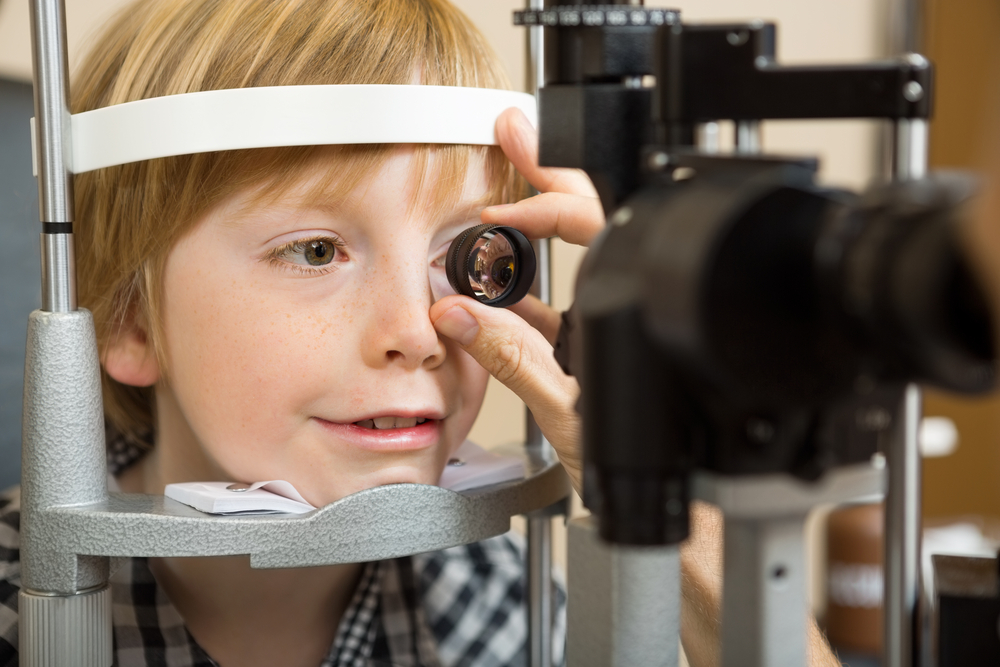
Dyslexia is the most common neurobehavioral disorder affecting children. Visual abnormalities have not been found to affect the brain’s ability to process visual stimuli and children with learning disabilities have no increased incidence of ophthalmologic disease. However, ophthalmologic consultation should be provided to children who fail vision screening tests. This allows for diagnosis and therapy of treatable ocular conditions such as refractive errors and eye muscle imbalances.
Children with ADHD, cerebral palsy, or any other neurodevelopmental disorders should also have periodic vision screenings. Children who do not pass the vision screening should be referred to an ophthalmologist with experience in the care of children.
Physicians are not the only adults involved in the care of special needs children. At increasing rates, children with special needs are being provided with the same life experiences as their non-disabled peers. Taking part in a sport or joining a group like the Scouts, are popular activities for children. Children with disabilities are encouraged to join in such activities to help improve their health and give them opportunities to make friends. As a result, more and more adults in the community are finding themselves working with these children on a regular basis.
When considering ways to work with special needs children, we have to keep in mind that every child is different. A positive attitude and patience are probably the two most important qualities for anyone who works with these children. Parents of special needs children focus on helping their child to be “the best he/she can be”. The devotion and care these parents provide for their child have been an inspiration, and I always look forward to my visits with them.
4/2/15
 Chantal Boisvert, OD, MD
Assistant Clinical Professor
Gavin Herbert Eye Institute, UC Irvine
Pediatric Ophthalmology & Strabismus
Neuro-Ophthalmology
Spring is truly here. With Passover and Easter later this week, it is time to rediscover some of the amazing produce that is at its peak during the months of April, May and June. These 7 spring fruits and vegetables are not only delicious; they are good for you . . . and your vision. Here are some recipes for you to try and enjoy the bounty of spring. Some even include more than one of the seven fruits and vegetables listed below.

Apricots – Apricots should be firm, but not hard, with a nice fruit scent when sniffed. They are best purchased locally so they aren’t picked too early and have a tree-ripened sweetness.
Apricot & Orange Breakfast Smoothie from Discovery Eye Foundation’s Eye Cook
Spicy Apricot Wings from Food & Wine
Fresh Apricot Chutney from Cooking Light
Chicken Tagine with Apricots & Almonds from Gourmet

Asparagus – Look for firm stalks, from the tips down to the base of stalks. Once asparagus are harvested they deteriorate quickly, so place them in cool storage to retain freshness and their nutrition value.
Asparagus and Strawberry Salad from Discovery Eye Foundation’s Eye Cook
Asparagus with Watercress and Brown Butter Potatoes from Food & Wine
Grilled Asparagus with a Caper Vinaigrette from Cooking Light
Asparagus, Tomato & Red Pepper French Bread Pizza from the Mayo Clinic

Sweet Cherries – The best cherries are an inch or more in diameter, plump, firm, and rich in color.
Cherry Pie from Cooking Light
Cherry Tortoni from Gourmet
Cherry Tart from Bon Appétit
Easy Almond & Dried Cherry Cookies from Discovery Eye Foundation’s Eye Cook

Fava Beans – Young fava beans can be shelled and eaten either raw or cooked, but more mature favas need to be shelled and skinned, since their skins are too tough to eat.
Quinoa Salad with Grilled Scallions, Favas & Dates from Food & Wine
Sliced Filet Mignon with Fava Beans, Radishes & Mustard Dressing from Bon Appétit
Arugula & Fava Bean Crostini from Gourmet

Green Peas – Fresh green peas include sugar snap peas, snow peas, and green peas. Look for bright green pods that are firm.
Fava, Sweet Pea & Sugar Snap Salad from Cooking Light
Salmon with Sweet Chili Glaze, Sugar Snap Peas & Pea Tendrils from Bon Appétit
Strawberry, Almond & Pea Salad from Bon Appétit

Strawberries – For the best flavor, you are best looking for strawberries grown close to home since they more are likely to be fresh and not be damaged in transit. They should be plump, firm, well-shaped, and uniformly colored.
Carrot & St rawberry Tea Bread from Discovery Eye Foundation’s Eye Cook
Strawberries Romanoff from Cooking Light
Strawberry and Cream Cheese Crepes from the Mayo Clinic
Pink Grapefruit, Strawberry & Champagne Granita from Bon Appétit

Watercress – Look for uniformly dark green leaves and sniff for a fresh, spicy scent. Watercress has a short shelf life and should be kept in a plastic bag in the refrigerator for no more than three days.
Watercress, Orange & Avocado Salad from Gourmet
Watercress Salad with Verjus Vinaigrette from Food & Wine
Watercress Salad with Pan-Seared Mahimahi from Cooking Light
These are some great ways to enjoy what spring has to offer. Do you have any spring recipes you want to share?
3/31/15
Susan DeRemer, CFRE
Vice President of Development
Discovery Eye Foundation
In Discovery Eye Foundation’s spring e-newlsetter there was an article entitled Surgery for the Surgeon, where a leading ophthalmologist talks about convincing himself to have cataract surgery. That eye doctor was Dr. Nesburn, who was willing to share with us his family’s long tradition of saving vision.
“I was brainwashed from the age of 5,” says Dr. Anthony Nesburn, medical director of The Discovery Eye Foundation (DEF). “My dad would take me on rounds at the hospital and to his office. He introduced me to medicine at a really early age.”
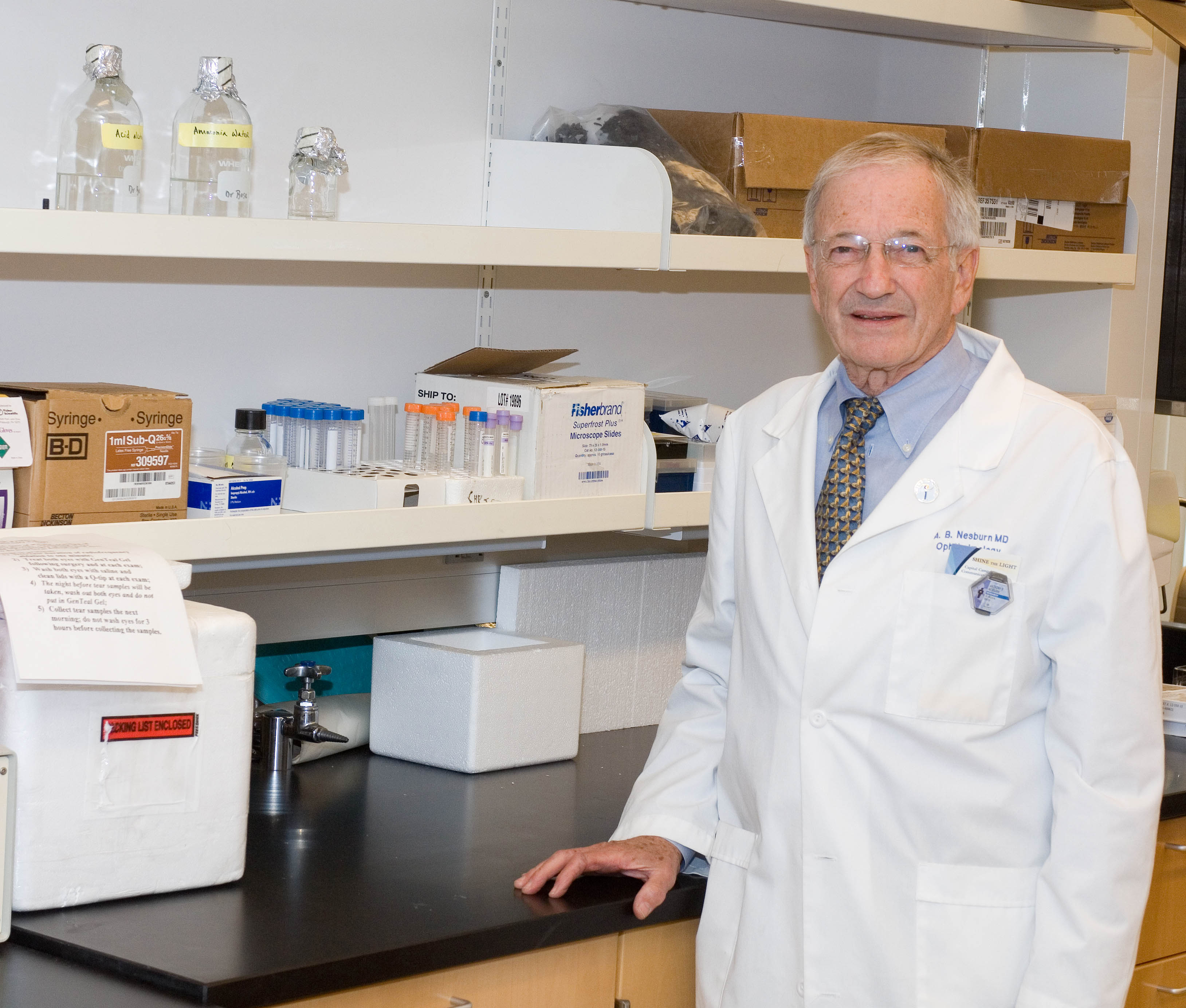
Nesburn received a telegram while he was an undergrad at UCLA, telling him he’d been accepted to Harvard Medical School. His mother started crying: “You’re going to Boston! We’re not going to see you anymore!” While he “was loathe to leave Southern California,” Harvard was too good to pass up.
Drafted by the Army out of his ophthalmology residency at Harvard in 1960, Nesburn joined the Navy instead. He followed in his father’s footsteps again, becoming a Navy flight surgeon. (Henry had volunteered during World War II.)
He went on to a Boston Children’s Hospital fellowship in infectious disease, working with Nobel laureate Dr. John Enders, whose work led to the polio vaccine and changed the face of virology. Nesburn then did his residency at Massachusetts Eye and Ear. “I was part of a special program that allowed us to do research, and I was running a research laboratory while I was a resident,” he says. “It gave me the start I needed.”
“At Mass Eye and Ear, I worked for an up-and-coming ophthalmologist and researcher to prove there was a substance that could treat herpes eye infections. We wrote a paper that included the very first antiviral ever described, and it was against herpes virus. It is the basis for today’s herpes antivirals,” Nesburn says. “I was hooked.”
He went back to Los Angeles and received NIH funding to continue his research on ocular herpes. In 1968, he joined his father’s practice half-time, spending the rest of his time doing research.
Two years later, he received a generous offer, when Rita and Morris Pynoos started DEF to fund his research. The Pynooses were grateful to Nesburn for diagnosing their son, Jon, with keratoconus (KC). “I was a second-year resident at Mass Eye and Ear, and Jon Pynoos was an undergraduate at Harvard. His parents went to see my dad, because Jon couldn’t see well, and no one could figure out what was wrong with his vision. My dad said, ‘Send him over to Tony; he’ll figure out what’s going on!’ I said to myself, ‘Holy mackerel! What happens if he has something really complicated? I’m just a newbie!’” Nesburn remembers. “Jon came in; I looked at him, and the keratoconus was so clear and easy to spot. I couldn’t imagine how his doctors didn’t see it. We got him contact lenses, and he was able to see again. When I came back to LA, the Pynooses wanted to do something to help.”
At first, DEF research focused on KC and the herpes research Nesburn was working on at the time. It soon broadened to include macular degeneration and retinal disease.
“My dad had to retire from the practice of ophthalmology at the age of 70, because of bad age-related macular degeneration (AMD). His mother and older sister had had it, as did several cousins. There was no treatment back then that helped,” Nesburn says.
“AMD is the most common cause of permanent vision loss in the elderly in the developed world. I could see where the need was,” he says. “We moved forward at DEF with two driving mantras: We wanted to do something significant in macular degeneration research and to find the cause of keratoconus.”
As a virologist in research and a corneal surgeon, Nesburn realized he needed a corneal biochemist to help with the KC research. He met Dr. Cristina Kenney at an Association for Research in Vision and Ophthalmology meeting. She joined DEF, and within 15 years, they found the chemical cause of keratoconus; they also got married.
Now nearly 80 years old, Nesburn spends most of his time “wearing three hats”: fundraising for DEF, lab research and clinical practice. His daughter, Kristin, is the third generation to join the family ophthalmology practice.
“While I’m still able, I want to try to make a difference in medicine, particularly in macular degeneration,” Nesburn says. “Macular degeneration affects so many people. This is where I want to put my energy. Luckily, as strong as it is in our family, I don’t have it … yet.
“As a researcher, my interest in putting together a program for macular-degeneration diagnosis and treatment has been because it’s a great public health problem. Yes, if I should ever get it, it might be able to help me or my family, but the first thing, as a scientist, is to try to get something to help humankind. I know it sounds sappy, but it’s true.”
3/26/15
 Anthony B. Nesburn, MD, FACS
Medical Director, Discovery Eye Foundation
Professor & Vice Chairman for Research, Ophthalmology
Gavin Herbert Eye Institute, University of CA, Irvine
Spring is here and it is always a good time to review important ways to protect your eyes now that you will be spending more time outdoors, enjoying sports, gardening or just basking in the warm spring sunshine.

Sunglasses and wide brimmed hats are the first things to consider as you go outdoors. The damage from UVA/UVB rays from sunlight is ever present, even on cloudy days. It is also cumulative and can lead to cataracts and age-related macular degeneration. Don’t forget to use sunscreen generously, helping to prevent a painful sunburn and skin cancer. If you perspire a great deal, think of a waterproof sunscreen that will not run into your eyes causing blurry vision and irritation.
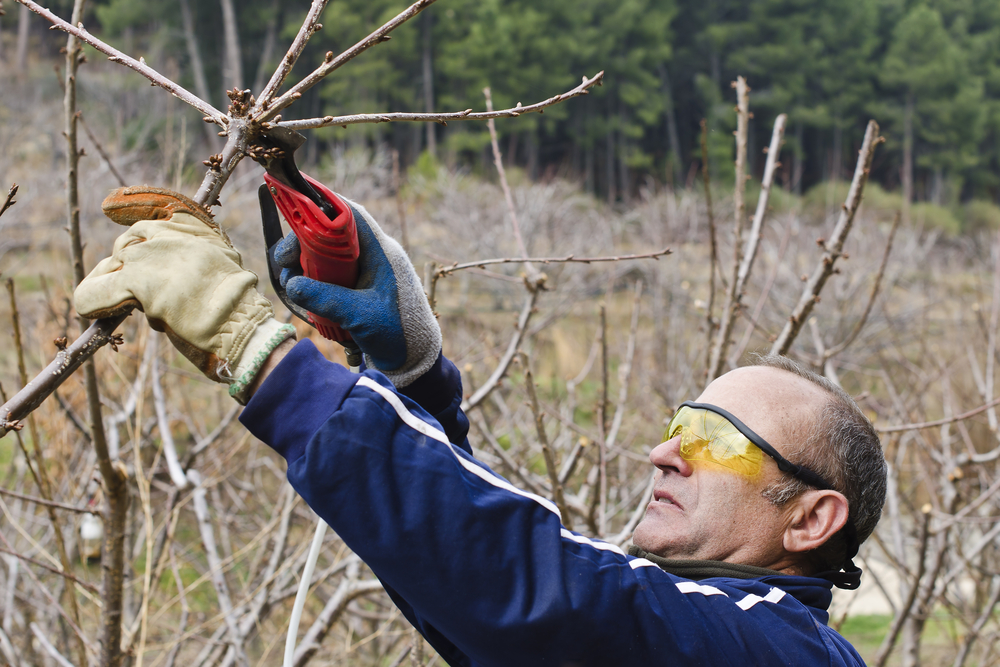
In your backyard or garden it is wise to use safety glasses or goggles when operating a chain saw, axe or hedge clipper. They will help to prevent small flying objects, dirt and debris from getting into your eyes. Tree sap and plant secretions can also be hazardous to your eyes. Wearing gloves should make you think twice about rubbing your eyes, or at least you can remove them if you can’t resist.
Home maintenance and spring cleaning offer some of the same threats as gardening. Beware of using any regular or power tools, paints and chemicals without protective eyewear because of flying debris, drips, splashes and sprays. Besides the general eye irritations and painful corneal scratches, you could permanently impact your vision. Also take care if your children are helping or playing nearby, they could also be at risk.

Spring is a great time to get outdoors and enjoy your favorite sports, but if you engage in any activities that involve throwing and catching balls, “flying” arms and elbows (such as karate), swinging bats, sticks or clubs, or anything that involves shooting (such as paintball or airsoft), you need protective goggles that wrap around and protect you from all angles. Not every threat will be coming from directly in front of you.
For these sports and recreational activities prescription eyeglasses, sunglasses and even occupational safety glasses are not enough to protect your eyes. You will need a highly impact-resistant polycarbonate to avoid a lens that can shatter and cause additional danger to your eyes. Consult your eye care professional to choose the right kind of eye protection for your warm weather activities.
3/24/15
Susan DeRemer, CFRE
Vice President of Development
Discovery Eye Foundation
A pterygium (pronounced tur-IJ-ee-um) is a wing-shaped, fleshy growth of tissue that grows from the conjunctiva (the clear thin covering of the sclera or white part of the eye) onto the cornea (the clear front of the eye). The word pterygium comes from the Greek, pterygos, which means little wing. Pterygia are quite common and can be seen in surfers (hence the common reference as surfer’s eye), sunbathers, landscape architects and other outdoor people who do not adequately protect their eyes from the damaging ultraviolet radiation from the sun. Furthermore, people living closer to the equator have been shown to have a higher incidence of pterygia. Prolonged exposure to eye irritants such as wind and dust are also risk factors for the development of pterygia.
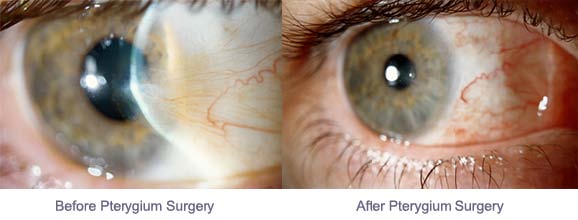
Pterygia usually grow slowly or follow an indolent course and can be asymptomatic or can flare up from irritation. Early on, pterygia may not be even noticed and may not be serious. Or, there can be signs of dry eyes, such as mild burning, tearing and itching due to irregular tear wetting of the surface of the eye. As the pterygium grows in size, the lesion will become more noticeable and may become cosmetically unpleasant, irritating to the patient and may give the sensation of a foreign body in the eye. Pterygia may cause visual symptoms if they induce astigmatism as they approach the center of the cornea or visual axis. Once the pterygium grows towards the visual axis, where vision could be compromised, various surgical procedures can be employed to remove it.
Having an ophthalmologist (an eye MD) examine your eyes is the first step to making the correct diagnosis and receiving the appropriate treatment, if it is necessary. Your ophthalmologist will examine the front of your eyes with a slit lamp, a specialized microscope for eye examination. Early in the disease process, most ophthalmologists will take a conservative approach and treat with lubricating eye drops and recommend protective eye wear (to prevent further UV exposure) and use of a wide-brimmed hat. If the pterygium enlarges and grows onto the cornea towards the visual axis, the ophthalmologist will consider surgical intervention to halt any more damage and scarring to the eye. Sometimes, a more aggressive pterygium may induce astigmatism on the cornea (causing the cornea to become more oval or football-like in shape as compared to more round in shape like a basketball). Astigmatism may cause blurred vision and, if left untreated, may not be reversed even with surgical intervention. Long-lasting pterygia may cause irreversible scarring of the underlying cornea, which may leave the cornea with a thin white film, or scar, even after the removal of the pterygium. If this scar is out of the visual axis, then vision may not be affected.
There are several different surgical techniques that are commonly used to remove aggressive pterygia. Microsurgical techniques can be done safely and comfortably on an outpatient basis in an eye surgery center using local anesthesia with mild sedation. The most common surgical technique involves surgical removal of the pterygium, placement of a preserved amniotic membrane graft (from the placenta) or a small graft of the patient’s own conjunctiva taken from the superior (upper) part of the conjunctiva to cover the area where the pterygium was removed, and using fibrin glue and/or small sutures to hold the graft in position. This procedure usually takes 30 minutes to one hour to perform, depending its complexity, with little discomfort for the patient. Post-operatively, the patient usually wears a patch for one day and can return to work after a few days (avoiding eye rubbing, swimming and hot tubs). Topical antibiotic and steroid drops and/or ointments are used for several weeks or months on a tapering dosage schedule per your ophthalmologist. Steroid medications reduce inflammation and chance of recurrence and should be used as directed. Careful follow-up for a year after surgery is recommended.
The main risk of pterygium surgery is recurrence of the pterygium after removal with a regrowth of abnormal tissue onto the cornea. When an amniotic membrane graft or conjunctival auto-graft is not used, the recurrence rate is quite high and has been reported from 25% to over 50%. However, when these grafts are used, the recurrence rate can be as low as 5 to 10%. For recurrent pterygium removal, however, the recurrence rate can be much higher and other adjunctive therapy may be utilized. Intraoperative mitomycin C (MMC) is often used in addition for recurrent pterygium excision to inhibit the regrowth of the pterygium. Some ophthalmologists use MMC eye drops after excision. Discuss these options with your ophthalmologist before your surgery. Be sure to see your ophthalmologist if you have a pterygium so that it can be properly assessed and appropriate treatment can be performed.
3/19/15
 Ronald N. Gaster, MD, FACS
Gaster Eye Center
Beverly Hills and Huntington Beach, CA
About 1.75 million U.S. residents currently have advanced age-related macular degeneration with associated vision loss, with that number expected to grow to almost 3 million by the year 2020.
About 8.4 million individuals worldwide are blind from primary open-angle glaucoma, with that number expected to grow to almost 11 million by the year 2020.
About 22 million Americans have cataracts affecting their vision, with that number expected to grow to more than 30 million by the year 2020.
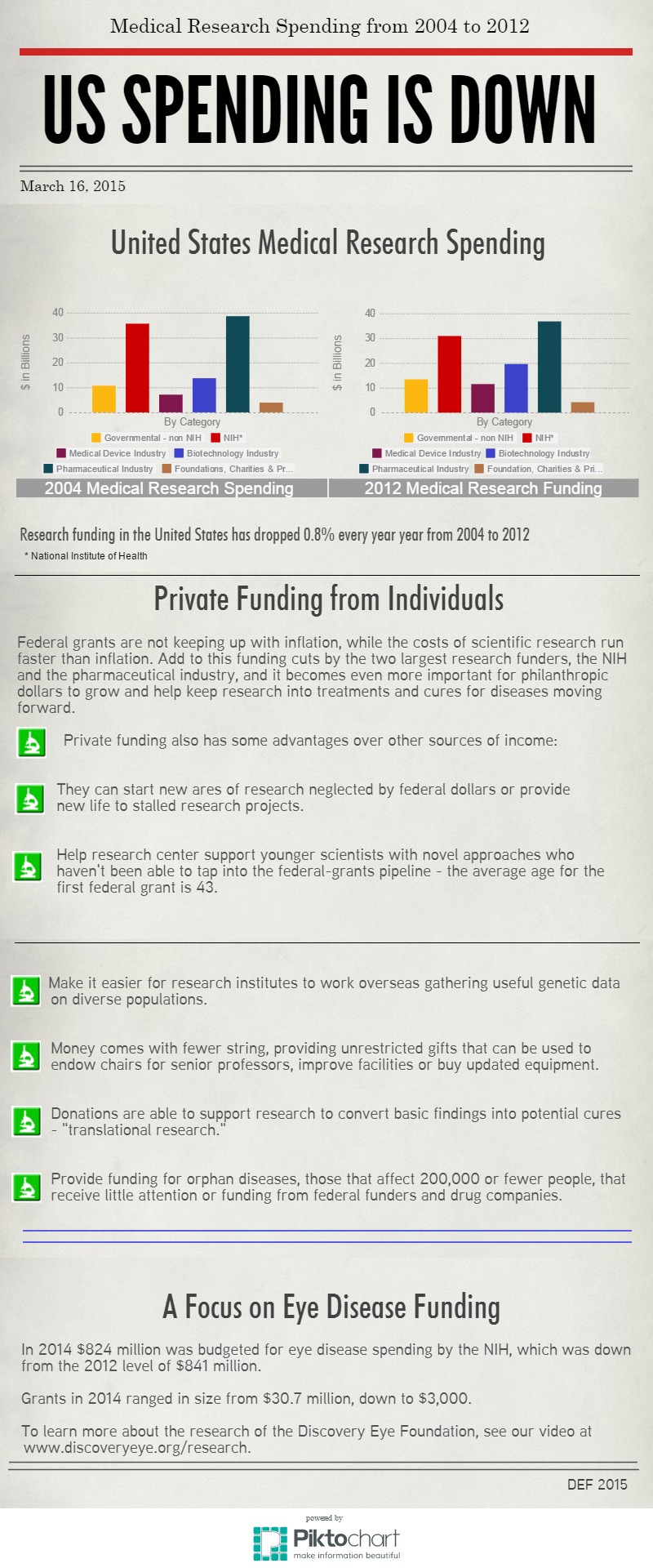
The economic impact of this increase of people with vision loss will be tremendous. But right now scientist are working on ways to treat and eventually cure many eye diseases. The only problem is the funding necessary to support this sight-saving research. Here is a look at the decline of medical research funding in the US and what you can do to help.
3/17/15
Susan DeRemer, CFRE
Vice President of Development
Discovery Eye Foundation
The optic nerve, a cable–like grouping of nerve fibers, connects and transmits visual information from the eye to the brain. The optic nerve is mainly composed of retinal ganglion cell (RGC) axons. In the human eye, the optic nerve receives light signals from about 125 million photoreceptor cells (known as rods and cones) via two intermediate neuron types, bipolar and amacrine cells. In the brain, the optic nerve transmits vision signals to the lateral geniculate nucleus (LGN), where visual information is relayed to the visual cortex of the brain that converts the image impulses into objects that we see.
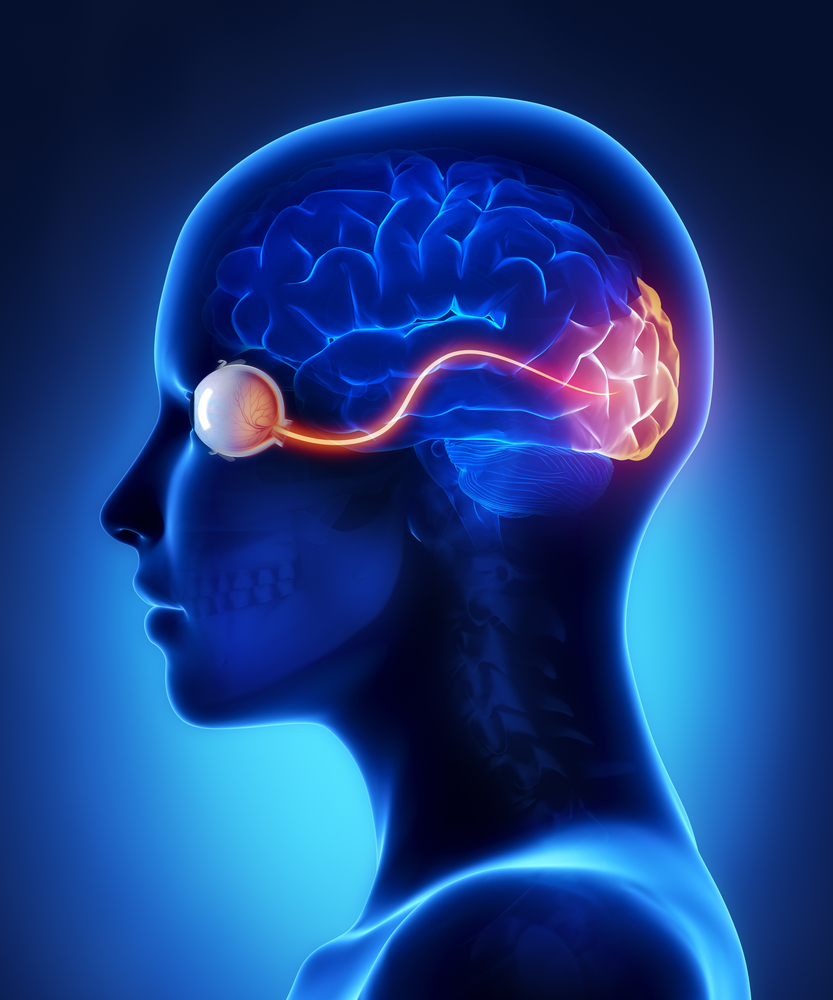
In the retinal tissues of the eye, more than 23 types of RGCs vary significantly in terms of their morphology, connections, and responses to visual stimulation. Those visual transmitting RGCs are the neuronal cells. They all share the defining properties of:
Human beings can see three primary colors: red, green, and blue. This is due to our having three different kinds of color sensitive cone cells: red cones, green cones, and blue cones.
The RGCs connecting to the red and green cones are midget RGCs. They are mainly located at the center of the retina (known as fovea). A single midget RGC communicates with as few as five photoreceptors. They transmit red-green color signals to the parvocellular layer in the LGN (see Figure). The midget-parvocellular pathway responds to color changes, but has little or no response to contrast change. This pathway has center-surround receptive fields, and slow conduction velocities. Because of this pathway, we can see objects precisely in detail and in full color.
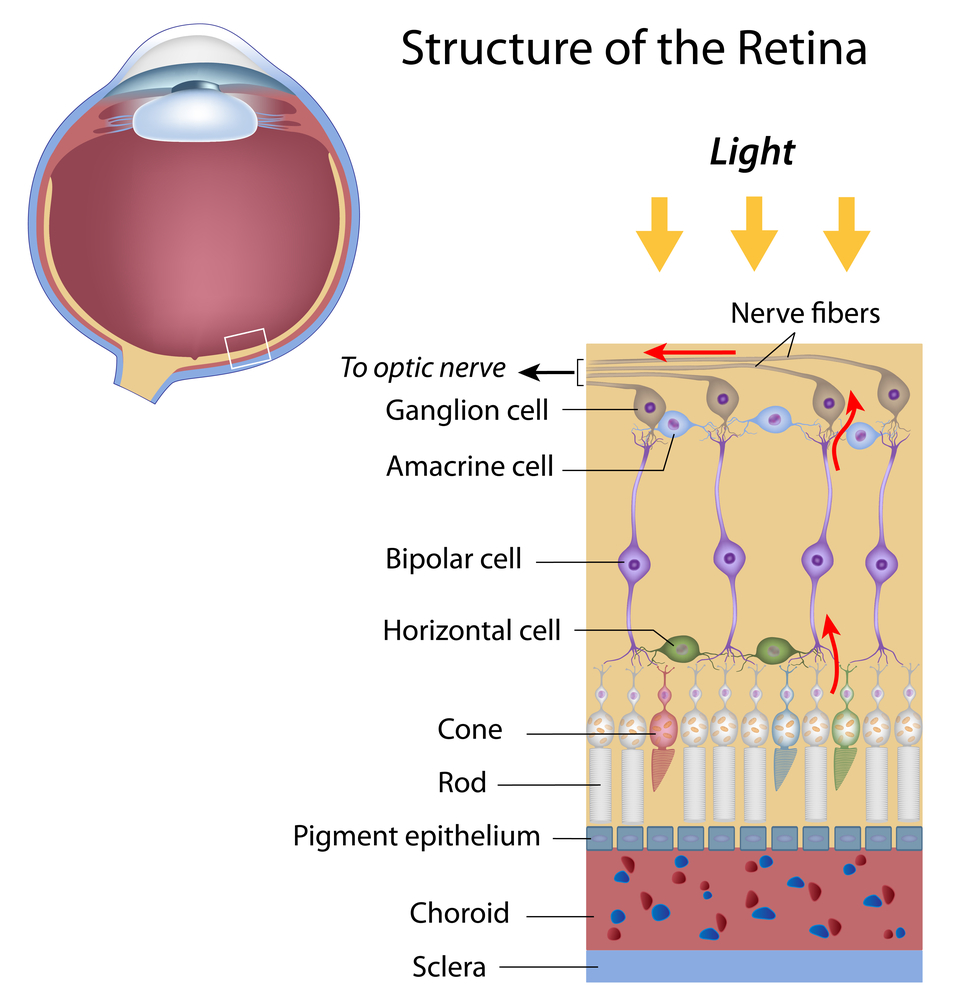
The bistratified RGCs are likely involved in blue color vision. Bistratified cells receive visual information input originally from an intermediate numbers of cones and rods. The bistratified RGCs connect to the koniocellular layers in the LGN (see Figure). The koniocellular neurons form robust layers throughout the visual hemifield and have moderate spatial resolution, moderate conduction velocities, and can respond to moderate-contrast stimuli. They have very large receptive fields that only possess on-center regions (no off-surround regions).
Objects can be seen in the dark with motion and coarse outlines accentuated due to the parasol RGCs. At the periphery of the retina, a single parasol RGC connects to many thousands of photoreceptors (many rods and few cones). The parasol RGCs project their axons to the magnocellular layers of the LGN (see Figure) and are primarily concerned with visual perception. They have fast conduction velocities, can respond to low-contrast stimuli, but are not very sensitive to changes in color.
Finally, humans can see objects in three-dimension courtesy of the crossing over of optic nerve fibers at the optic chiasm. This anatomic structure allows for the human visual cortex to receive the same hemispheric visual field from both eyes (see Figure), thus making it possible for the visual cortex to generate binocular and stereoscopic vision.
Recently, a new type of RGC, called photosensitive RGCs, was discovered. The photosensitive RGCs contribute minimally to our vision, but play a key role in vision regulation. Photosensitive RGCs axons do not have connections to the LGN, but form the retino-hypothalamic tract, and synapse to three other locations in the brain for specific vision regulation functions:
A fully functional optic nerve is essential for vision. Obviously, any damage of the optic nerve will sever the precise transmission of visual information between the retina and brain, directly leading to vision distortion and/or vision loss. Damage to the optic nerve can result from:
Moreover, the optic nerve is also a very important vivo model for studying central nervous protection and regeneration. At the cell biology level, the RGC axons are covered with myelin produced by oligodendrocytes (rather than Schwann cells of the peripheral nervous system) after exiting the eye on their way to the LGN and thus part of the central nervous system. Scientists have recently acquired more and more evidence that certain types of damage to the optic nerve may be reversible in the future. Therefore, the optic nerve provides a potential window to explore more complicated neuronal degenerative diseases, such as Alzheimer’s disease and Huntington disease.
3/12/15
Jun Lin, MD, PhD
Assistant Professor,
Department of Ophthalmology
New York Eye and Ear Infirmary of Mount Sinai
Icahn School of Medicine at Mount Sinai
—–
James Tsai, MD, MBA
Chair, National Eye Health Education Program Glaucoma
Subcommittee President, New York Eye and Ear Infirmary of Mount Sinai Chair
Department of Ophthalmology
Icahn School of Medicine at Mount Sinai
The National Keratoconus Foundation, a program of the Discovery Eye Foundation, has been serving the keratoconus (KC) community for over 27 years. They have been a leading source of information on KC, while also providing support and educational programs, such as the OC Keratoconus Seminar this Saturday, March 14th. One of the reasons for the timely, quality information they are able to share, are their relationships with leading eye care professionals around the world.
We are happy to report that a new professional organization for eye care professionals treating KC and other forms of corneal ectasia has been formed, the International Keratoconus Academy of Eye Care Professionals. It is our hope that we can join together in in providing accurate information on KC as well as find future treatments and cures, defining the future of keratoconus. Here is more information about the new organization.
The International Keratoconus Academy of Eye Care Professionals (IKA) was recently established to promote ongoing professional education and scientific development in the area of keratoconus and other forms of corneal ectasia. Its mission is to promote and develop the knowledge base and awareness of the state of the art pertaining to the diagnosis and management of keratoconus and other forms of corneal ectasia. And further to promote the awareness and understanding of the most appropriate and effective treatment strategies for the management of these diseases. According to S. Barry Eiden, OD, FAAO, co-founder and president,” I.K.A. is dedicated to providing comprehensive education to the eye care professions and to foster ongoing clinical research in order to improve the lives of patients suffering from these diseases. “
I.K.A. will accomplish its mission by providing an array of educational initiatives which will include live events, web-based education, social media activities and publications in the professional literature. It will also be dedicated to supporting ongoing clinical research. I.K.A. will function as a complementary entity to other organizations that support patients with these diseases such as the National Keratoconus Foundation (NKCF). These organizations will work cooperatively to establish a comprehensive effort to advance knowledge, awareness and quality of care.
The founding executive board of the International Keratoconus Academy of Eye Care Professionals is comprised of a group of highly regarded experts in the field including:
An international physician’s advisory board comprised of expert optometrists and ophthalmologists is being formed. For more information or questions about IKA, please contact them at info@keratoconusacademy.com.
3/10/15
Susan DeRemer
Vice President of Development
Discovery Eye Foundation