


Winter time is here!! And as most people would expect, the holidays are a very popular time of the year. But the winter also comes with extreme temperatures, humidity and precipitation, so don’t let it affect your vision!
Be on the lookout for these common eye conditions this winter and hopefully, you will comfortably enjoy the season without any problems.
DRYNESS
Cold outdoor air and heated indoor air often have less moisture than other seasonal environments. In the winter, you may experience dry skin, chapped lips, and dry eyes due to this low humidity. Cold winter winds may also dry your eyes out. To learn more about dry eyes, visit the linked website at Dry Eyes.
To minimize the drying ability of winter air, keep yourself hydrated. Use non-preserved artificial tears several times a day. Running an humidifier in your home to improve the quality of your indoor air will help as well.
EXCESS TEARING
While some people experience a lack of tears in the winter, others have the opposite problem. Excess tearing and runny eyes can occur due to cold air, biting winds, or seasonal allergies. Pay attention to when your eyes tear up to determine the cause. If your eyes start to water when you step outside or when the wind blows your way, wear sunglasses or goggles to protect your eyes. Although it seems strange using additional artificial tears for teary eyes, nonetheless they can lessen this reflex tearing.
If you experience excess tearing and itching while indoors, try an allergy medication and appropriate eye drops to reduce the effect of seasonal allergies. If you cannot determine the cause of your watery eyes or if over-the-counter treatments have no effect, especially if the wateriness alters your vision, see an eye doctor.
LIGHT SENSITIVITY
Winter skies can seem dark and gloomy, but snowfall and ice create many reflective surfaces that can dramatically increase the amount of light that reaches your eyes. If you have sensitive eyes, you may experience even more blinking, discomfort, tearing and other symptoms in bright winter light.
Some individuals develop new light sensitivity during winter due to a condition known as “snow blindness”. Always protect your eyes with UV filtering glasses or ski goggles when going outdoors for long periods of time, including when walking, shoveling snow, or other winter activities.
REDNESS
Harsh winter conditions can cause redness, tenderness, and inflammation in the eye area. You may have swollen eyelids or redness over the normally-white part of the eye (the conjunctiva which covers the white sclera).
This redness could result from dry eye or seasonal allergies. Use non-preserved artificial tears every 2-3 hours. To reduce the discomfort of inflamed eyes, apply a cool compress, such as a damp washcloth and take an over-the-counter oral pain medication. If your symptoms persist, see an eye doctor to determine the cause of the irritation.
VISION CHANGES
While many winter eye health problems result from increased light or decreased moisture, you can also experience eye conditions caused by cold temperatures.
If you notice vision changes while out in the cold, move to a warm area as soon as possible. Use non-preserved artificial tears every 2-3 hours to to keep your eyes moist. If your normal vision doesn’t return after 30 minutes or so, seek medical attention.
If you experience any of the seasonal problems listed above for a prolonged period, consult your eye doctor.

 Tom Sullivan
 Healthy Aging Month is an annual health observance designed to focus national attention on the positive aspects of growing older. Aging is a process that brings many changes. Vision loss and blindness, however, do not have to be one of them. There are several simple steps you can take to help keep your eyes healthy for the rest of your life.


 UV Protection – Sunglasses for children should block 100% of UV radiation as well as between 75 – 90% of visible light. Any sunglasses you buy should have this information provided in the packaging
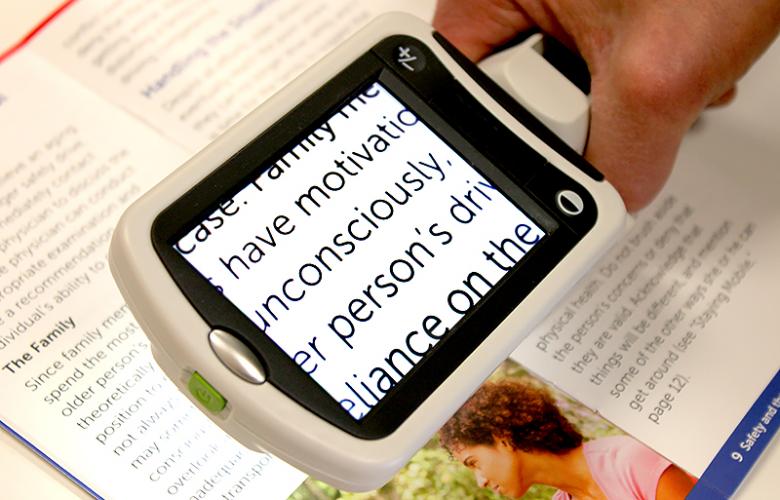 Portable magnifiers and lighted magnifiers- offer magnified reading on the go. Perfect for menus, shopping lists, label reading, and more, portable magnifiers can fit in your pocket, purse, or be worn on the belt for quick, easy use.
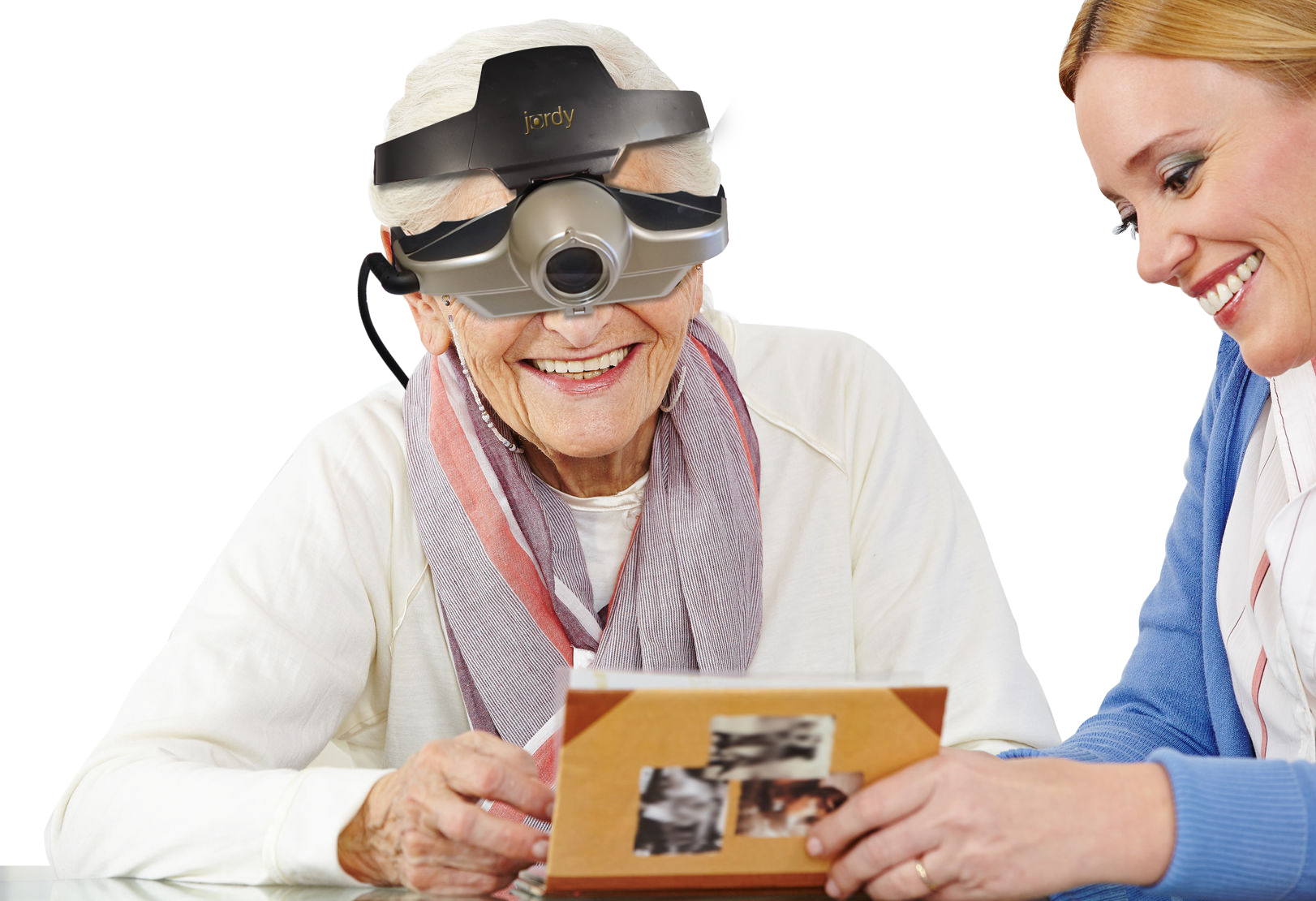 Wearable magnifiers – wearable technology is the future for those with low vision who live an active lifestyle. Wearable options make it possible to see and take part in everyday tasks, such as reading and recognizing faces.
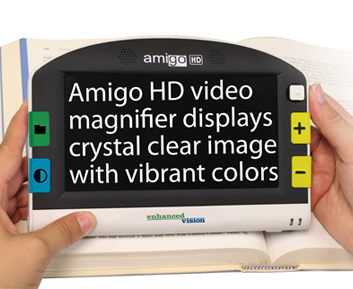 Transportable magnification screens– are perfect for close up viewing as well as distance viewing. These great viewers offer great flexibility, from watching TV to using the mirror image feature for self-viewing. There are APPS for smart phones that can be used to magnify reading material.
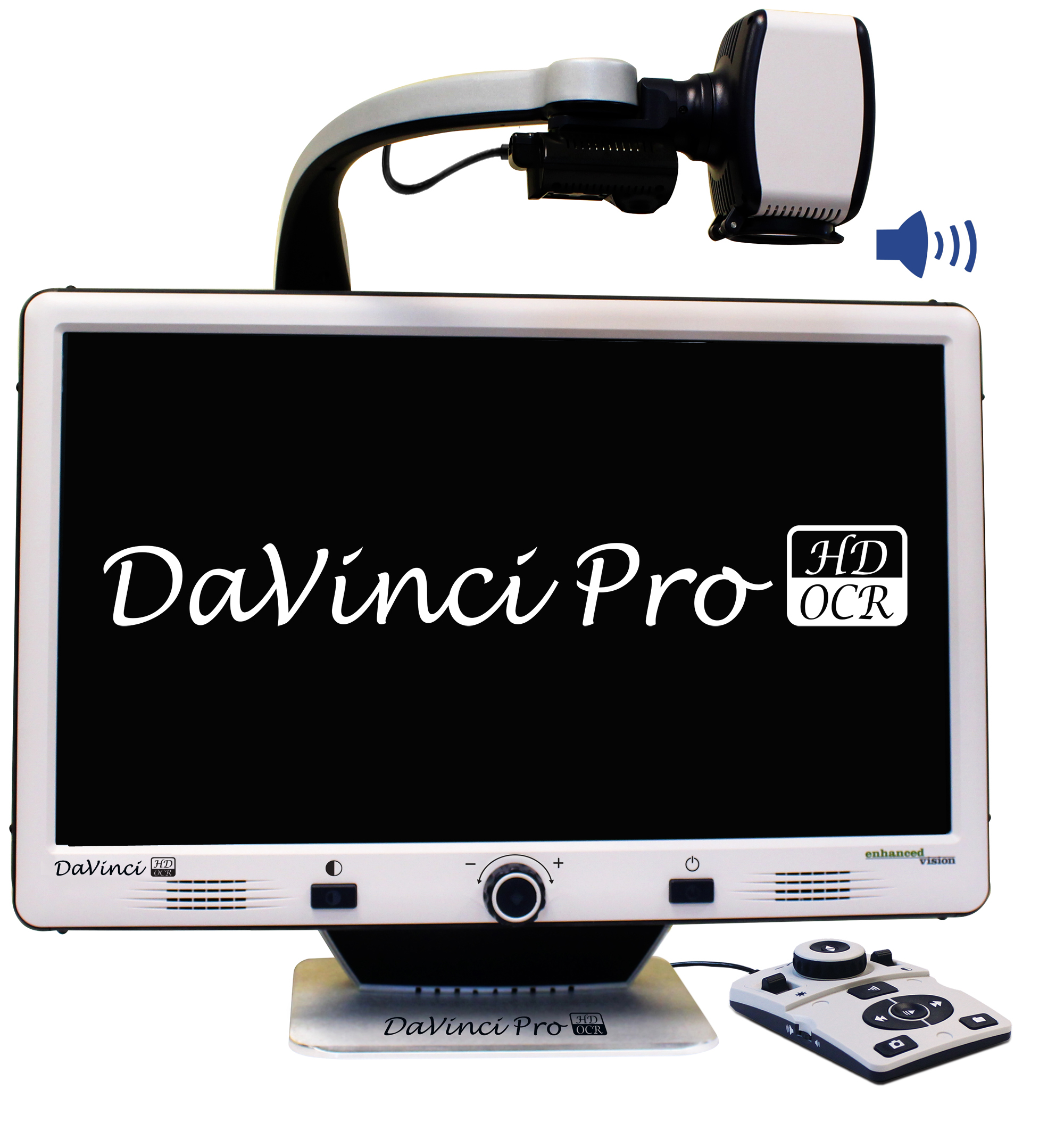 Desktop devices for reading books, bills or letters – these have large, bright screens. A reading table offers visual aid for reading books, optional computer connectivity and more. This family of portable magnification units offers up to 75x magnification.
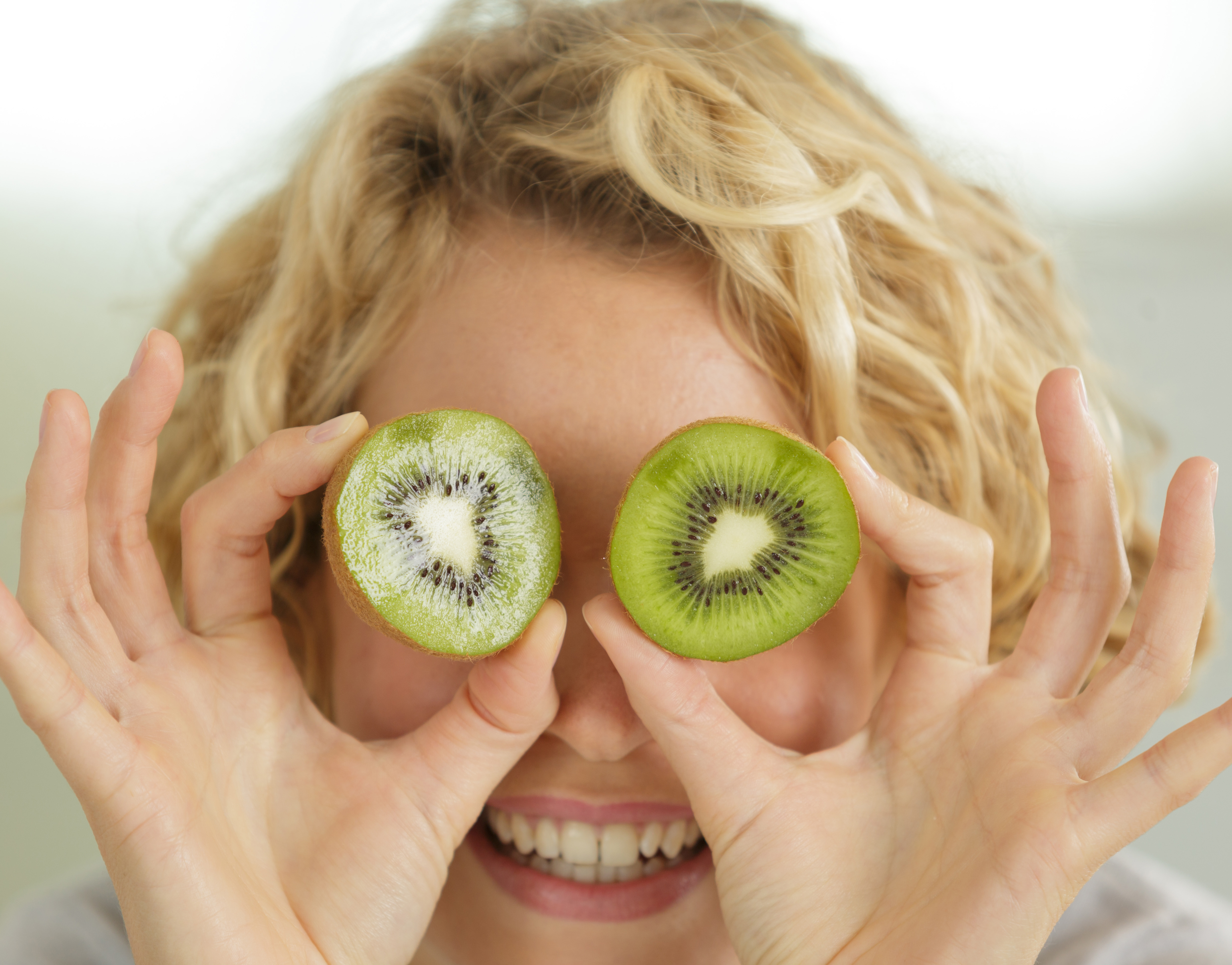 Good nutrition is important to keep your eyes healthy. Researchers have linked two very important eye nutrients that play a key role in healthy vision. Lutein (LOO-teen) and Zeaxanthin (zee-ah-ZAN-thin), both are potent antioxidants and are best known for protecting your eyes and may reduce your risk for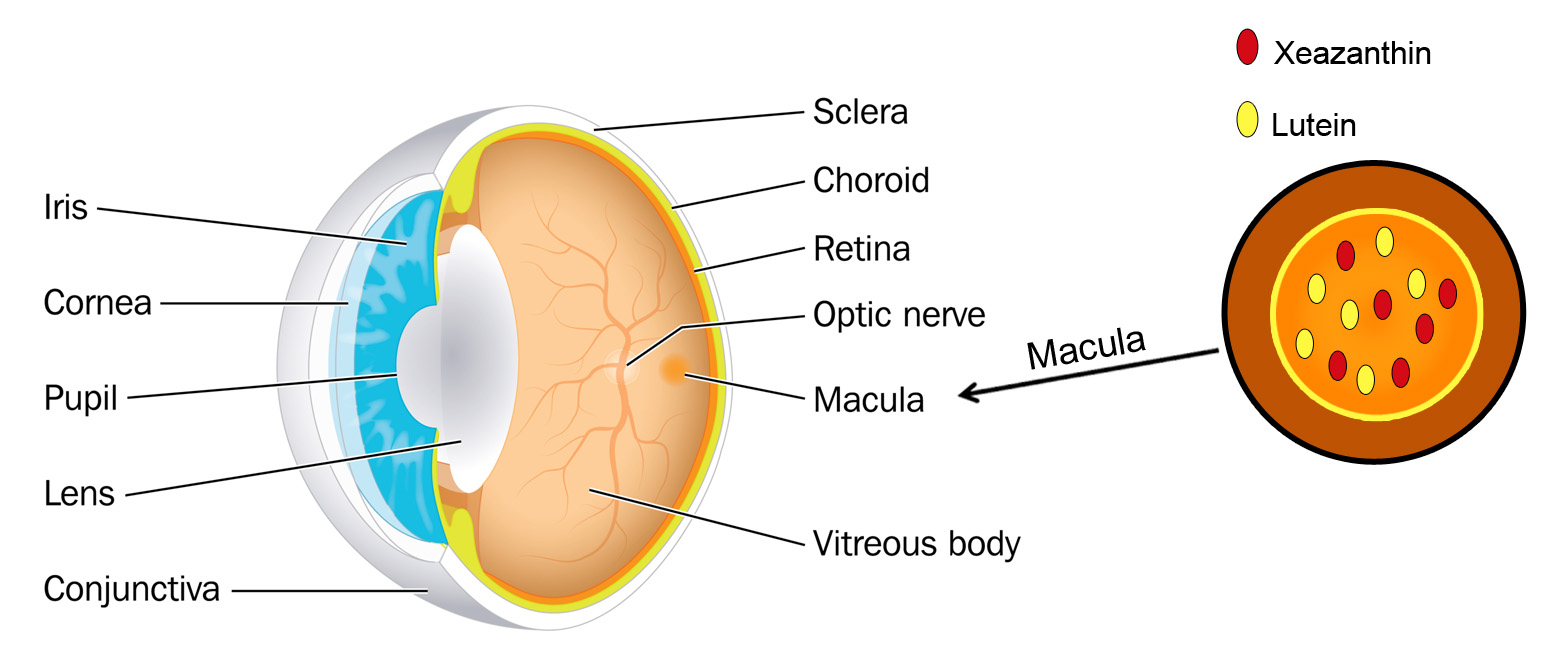
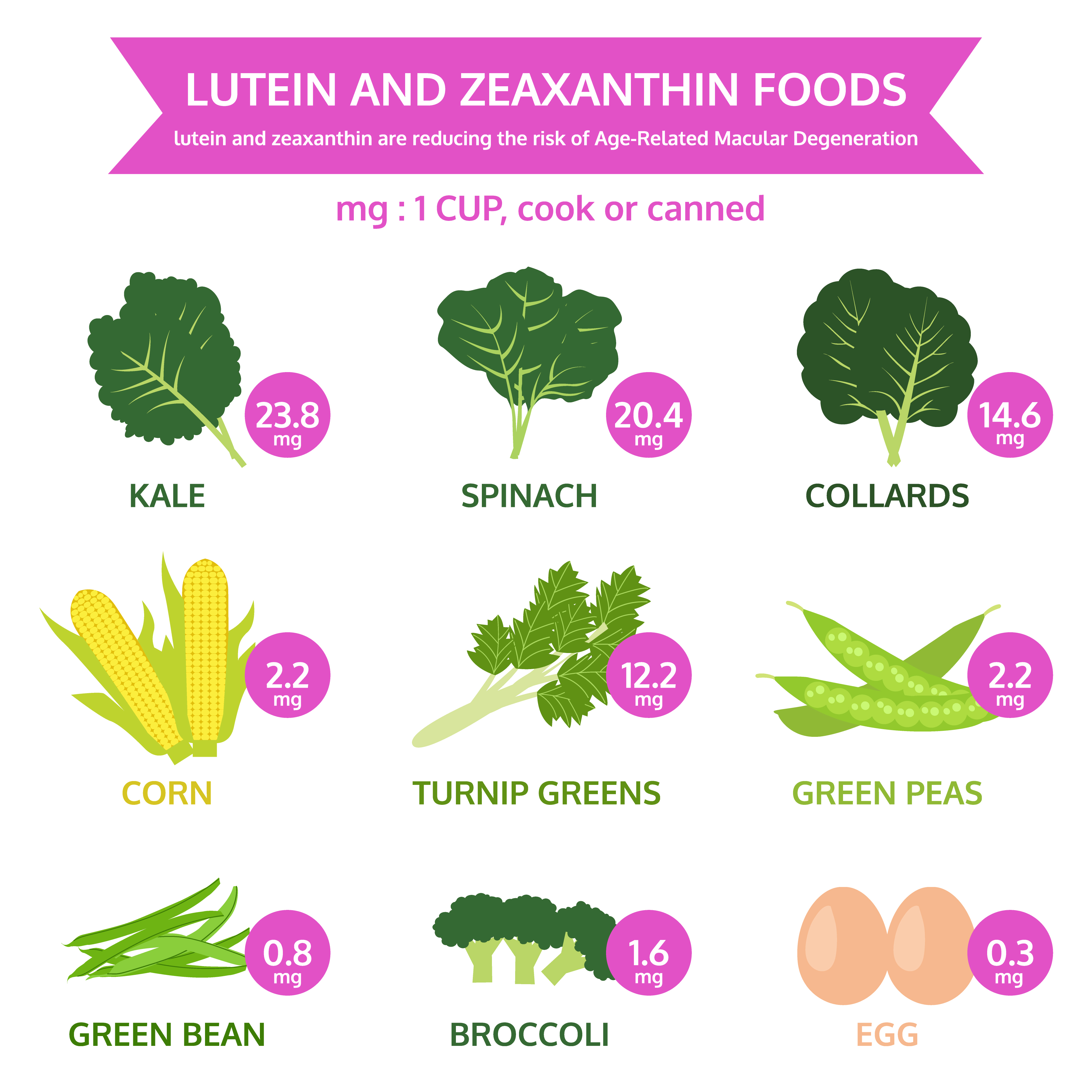 Diets rich in these two nutrients may help hold off age-related eye diseases. The best natural food sources of lutein and zeaxanthin are green leafy vegetables and other green or yellow vegetables. Among these, cooked kale and cooked spinach top the list.