

 Summertime often means long hours spent outdoors—whether at the beach, hiking, barbecuing, or just soaking up the sunshine. Most of us know to apply sunscreen to protect our skin from harmful UV rays, but there’s one vital area we often overlook: Our Eyes.
Just like your skin, your eyes are vulnerable to the damaging effects of ultraviolet (UV) radiation. Prolonged exposure to UV rays can lead to serious eye health issues over time, including cataracts, macular degeneration, and even certain types of eye cancer.
UV radiation, whether from natural sunlight or indoor artificial rays, can damage the eye’s surface tissues as well as the cornea and lens. Unfortunately, many people are unaware of the dangers UV light can pose. By wearing UV-blocking sunglasses, you can enjoy the summer safely while lowering your risk for potentially blinding eye diseases.
Here are a few of the eye conditions you can avoid by wearing sunglasses:
- Cataracts and eye cancers can take years to develop. Each time you bask in the sun without eye protection, you increase your risk of serious disease. Babies and children need to wear hats and sunglasses for this very reason. People of all ages should take precautions whenever they are outdoors.
- Growths on the eye, such as pterygium, can show up in our teens or 20s. Surfers, skiers, fishermen, farmers, and others who spend long hours under the midday sun or near rivers, oceans, and mountains are at risk.
- Snow blindness can happen after exposure to UV reflections off of snow, ice, sand, or water.
The good news? Protecting your eyes is simple.
Here’s how you can safeguard your vision this summer and every season
Many sunglasses shoppers forget to check the UV rating before purchasing a pair. Be sure to select sunglasses that provide 100% UV or UV400 protection, or block both UV-A and UV-B rays.
Here are additional tips to protect your eyes from UV damage, no matter what the season:
- Wear a hat along with your sunglasses. Broad-brimmed hats are best.
- Protect children and senior citizens with hats and sunglasses. Everyone is at risk for sun damage.
- Know that clouds don’t block UV light. The sun’s rays can pass through haze and clouds.
- Sunlight is strongest midday to early afternoon. It is also stronger at higher altitudes and when reflected off of water, ice, or snow.
- Never look directly at the sun. Doing so at any time, including during an eclipse, can damage the eye’s retina and cause a serious injury known as solar retinopathy.
- Avoid tanning beds. Tanning beds pose the same risks to your eyes and body as outdoor UV light.
Long-term eye health starts with small steps today. By embracing these simple guidelines, your eyes will thank you for years to come.
Support Sight-Saving Research by Donating to the Discovery Eye Foundation
 Here are a few ways you can help protect your vision
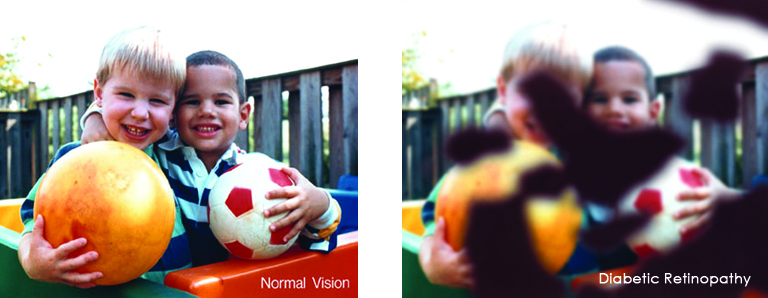
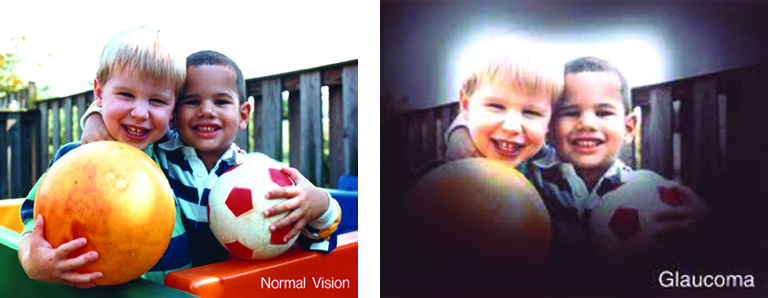
 Low vision affects millions of Americans — including many older adults. People with low vision aren’t blind, but because of their vision loss, they may not be able to do everyday tasks like driving or reading even with glasses.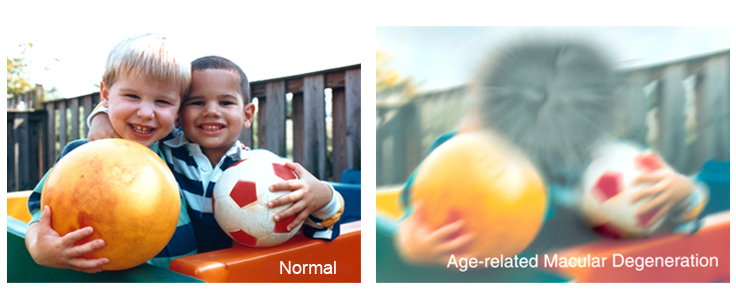

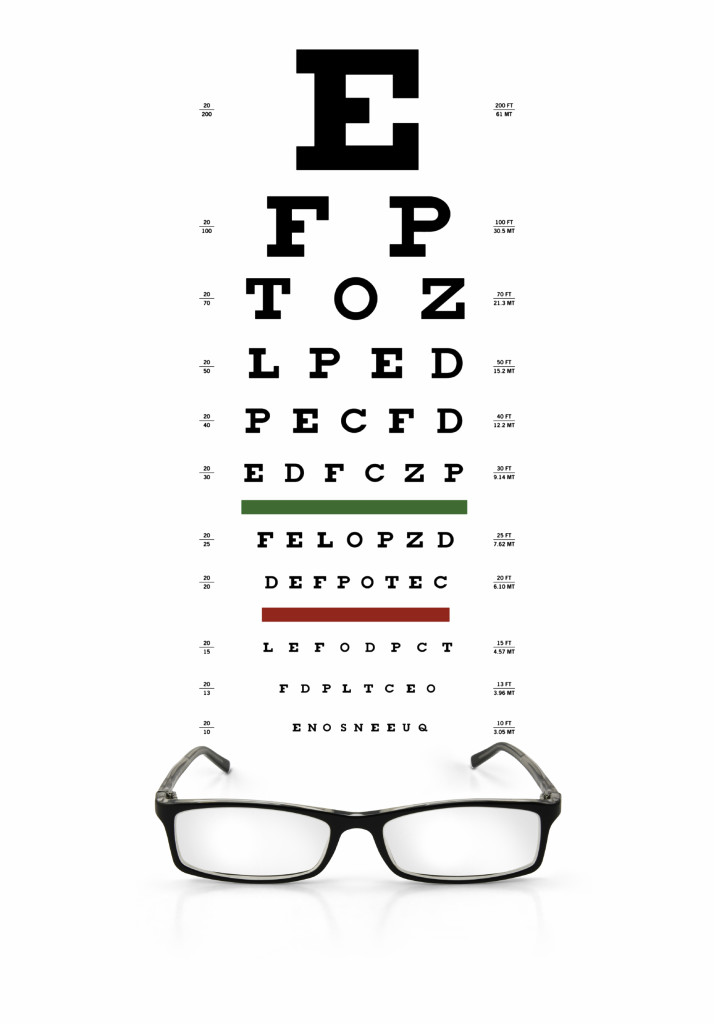 Understanding What 20/20 Vision Means
 Save Your Vision Month is here.


 Don’t smoke. Smoking increases your risk for age-related macular degeneration, cataract, and other eye diseases and conditions that can damage the optic nerve.
 Wear protective eyewear when outdoors. Protecting your eyes from the sun’s ultraviolet rays when you are outdoors is vital for your eye health. Wearing sunglasses that block 99 to 100 percent of both UV-A and UV-B radiation.
 Know your family history. Talk to your family members about their eye health history. It’s important to know if anyone has been diagnosed with a disease or condition since many are hereditary, such as glaucoma, macular degeneration, and diabetes . This will help determine if you are at higher risk for developing an eye disease or condition.
 Consider a multivitamin. Vitamins C, E and the mineral zinc have been shown to promote eye health. Vitamins with Lutein and Zeaxanthin have been known to help patients with moderate to severe age-related macular degeneration.
 Give your eyes a rest. If you spend a lot of time at the computer or focusing at any one distance, you sometimes forget to blink, resulting in dryness and eye fatigue. Every 20 minutes, look away about 20 feet in front of you for 20 seconds. This can help reduce eyestrain. Consider using a lubricant eye drop during long periods of intense eye use and rest your eyes for 5 minutes.