
I love the idea that beauty is in the eyes of the beholder. It reminds us that individuals can make choices about what they perceive to be true beauty.
Let’s consider art… one person’s beautiful can be another person’s junk. If beauty is in the eyes of the beholder, the question is – are we taking the time to appreciate all that surrounds us? From Mother Nature’s unlimited panoplies of possibilities to the innocent smile of a child, beauty is the catalyst that makes being alive the greatest of all human adventures.
I am sure you’ve heard the phrase “stop and smell the roses,” so why not take the time to stop and observe the beauty your eyes can behold.
The Discovery Eye Foundation is working every day to preserve your vision and give all of us the chance to see what’s truly beautiful and treasure it. All you have to do is open your eyes and take a look.
Louis Armstrong said it well:
I see trees of green and red roses too.
I see them bloom for me and you.
And I think to myself,
what a wonderful world.
You’re right Louis… it is a wonderful world if we all just keep appreciating the beauty that’s out there for all of us.
Donate today to help support the Discovery Eye Foundation!

 Tom Sullivan
DEF’s Ambassador of Vision
sullivanvision.com





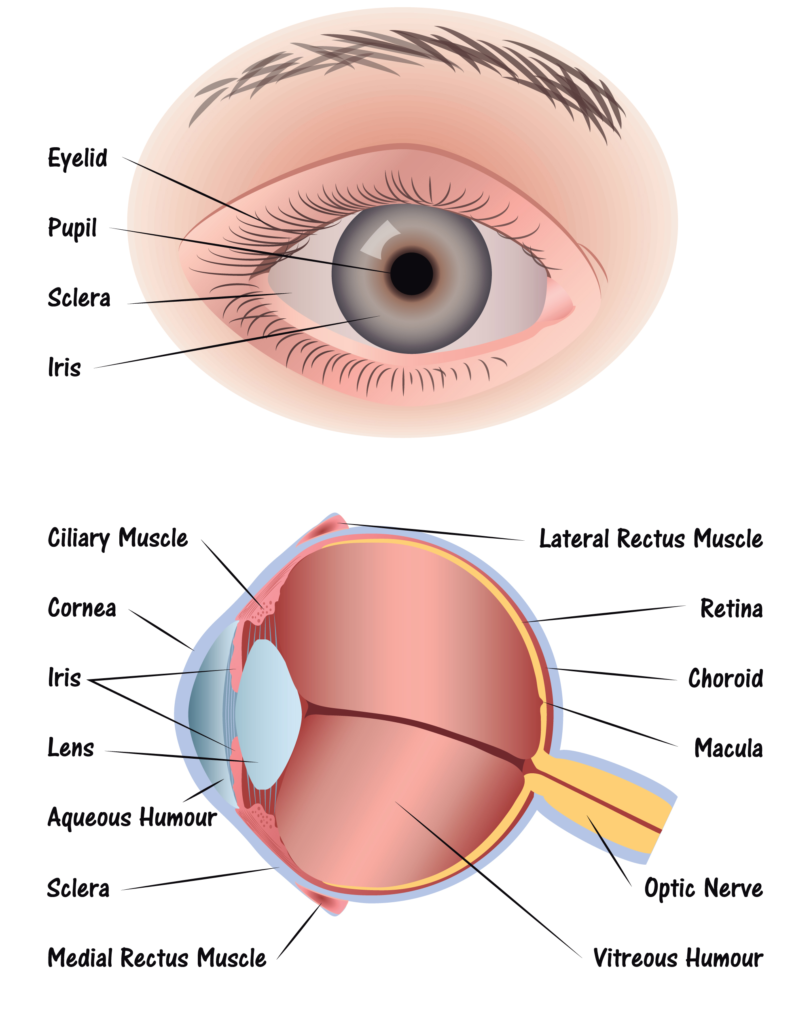 Step 1: Light passes through a thin layer of moisture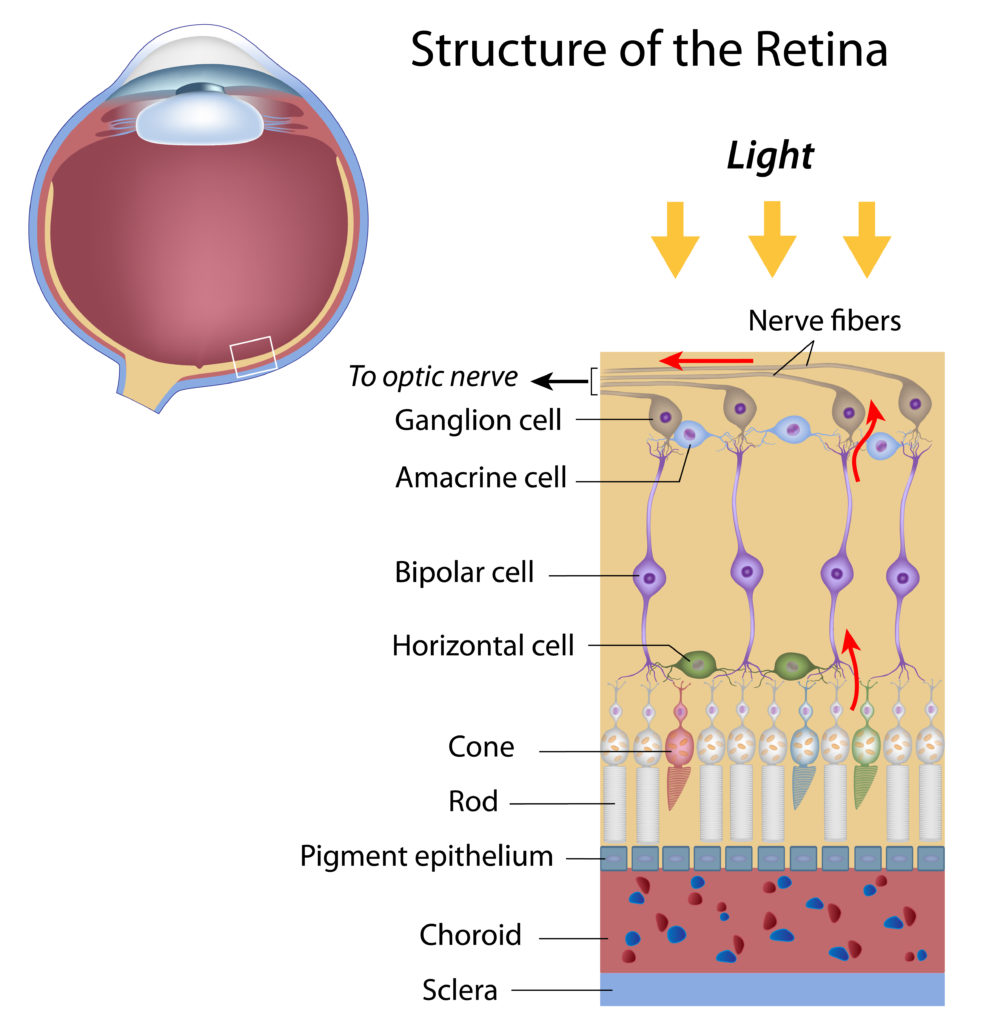
 National Glaucoma Awareness Month reminds all of us to get regular eye exams and show support for those suffering from this condition.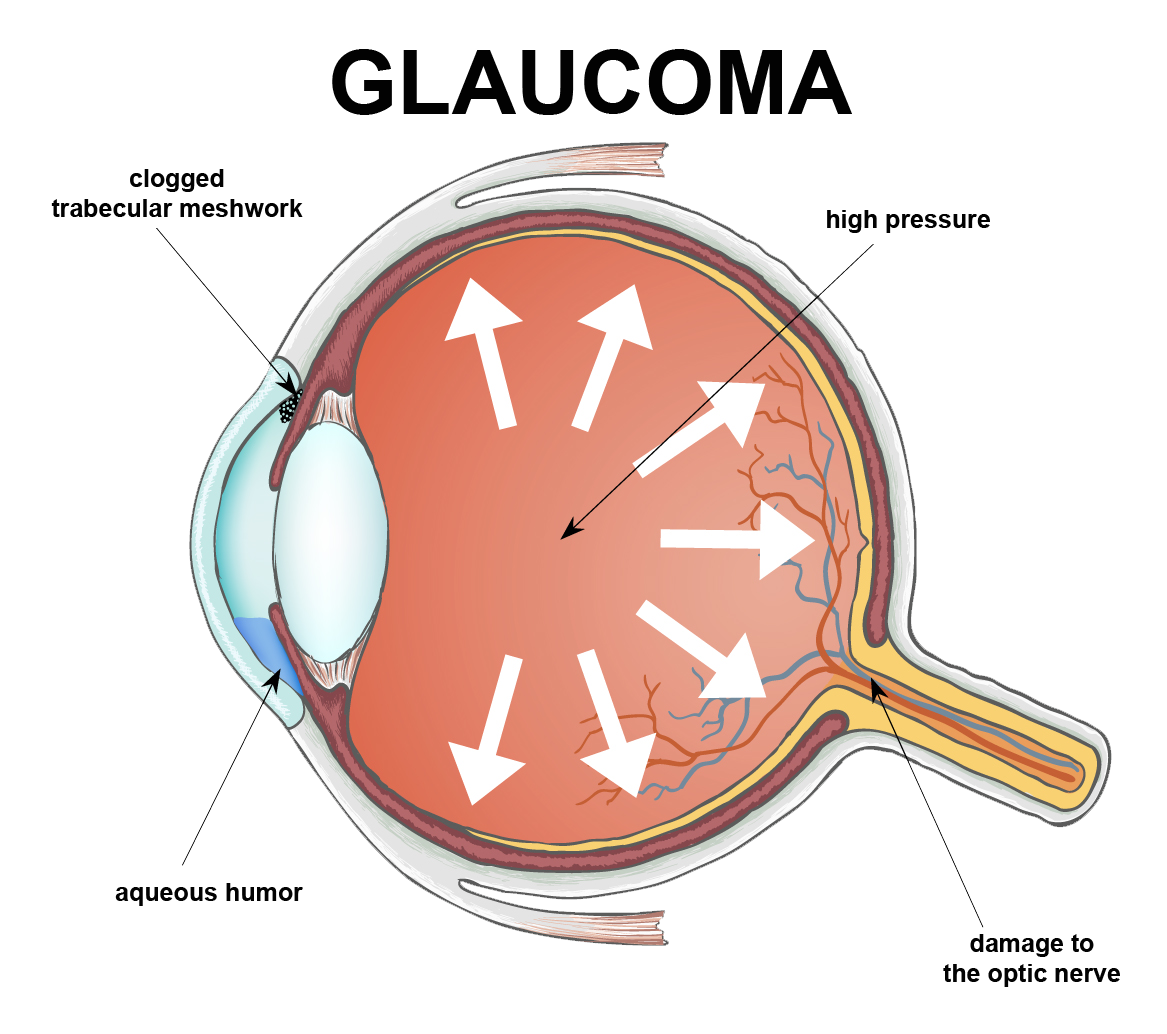


 Thanksgiving is almost here; a meal that nourishes the family bonds and traditions. It’s the one time of the year where you can guarantee your eyes will be bigger than your stomach.