
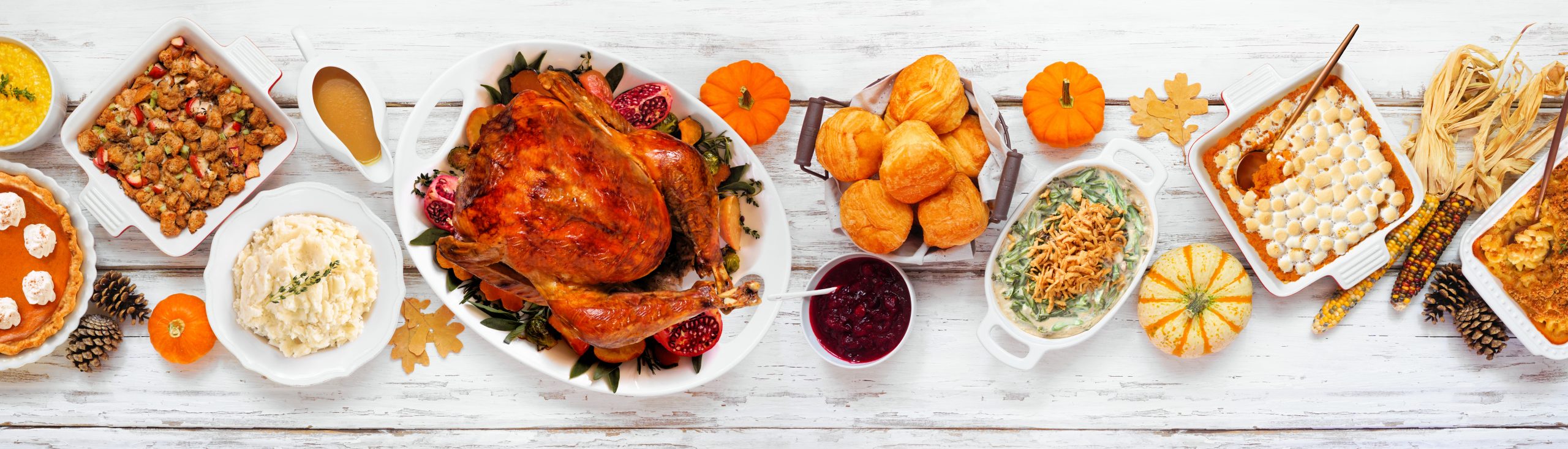
 Thanksgiving is almost here; a meal that nourishes the family bonds and traditions. It’s the one time of the year where you can guarantee your eyes will be bigger than your stomach. This meal also has another added bonus — almost every item on the Thanksgiving table is healthy for your eyesight!
Here are several of the most popular Thanksgiving dishes and their corresponding benefits to your eye health:
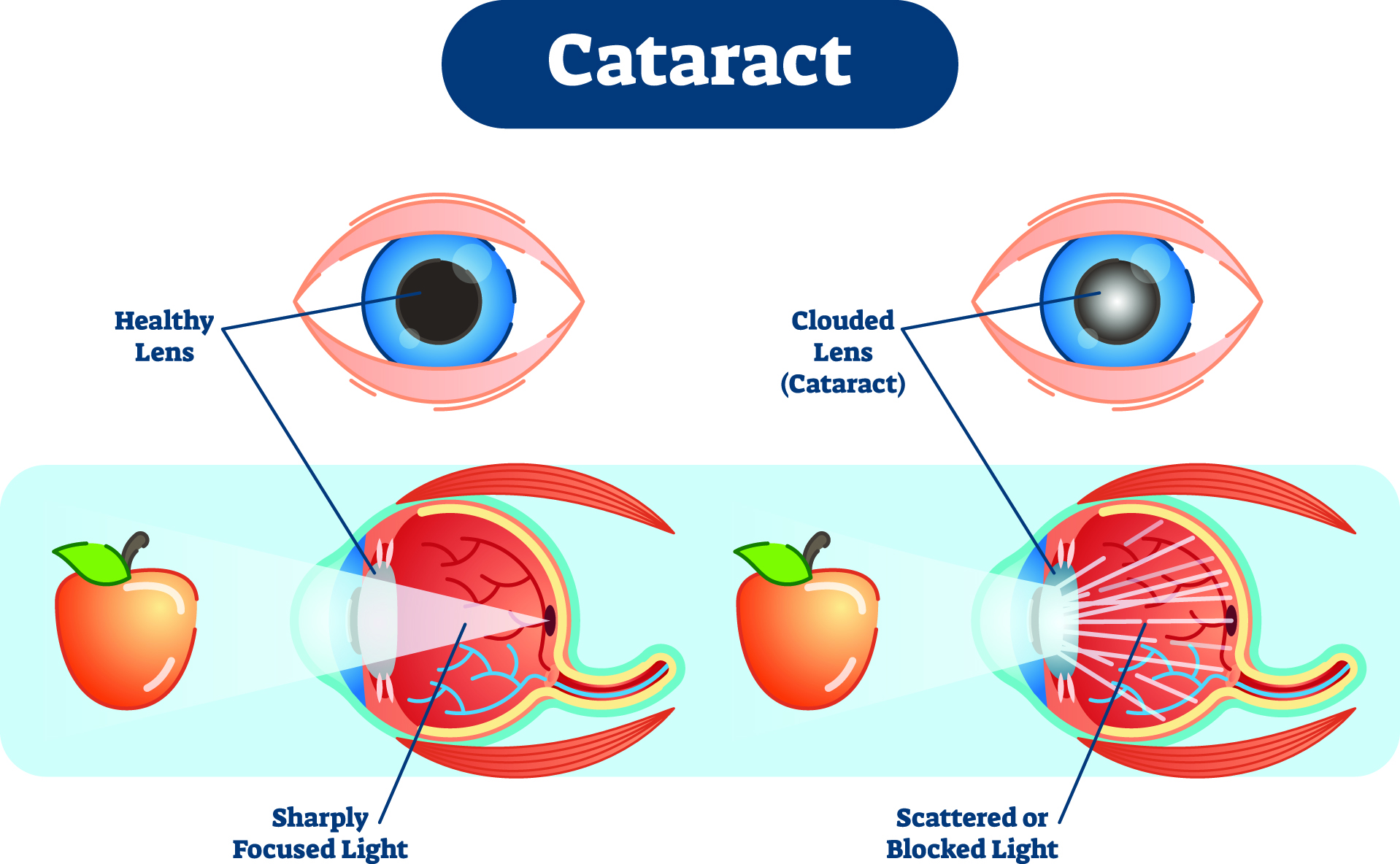
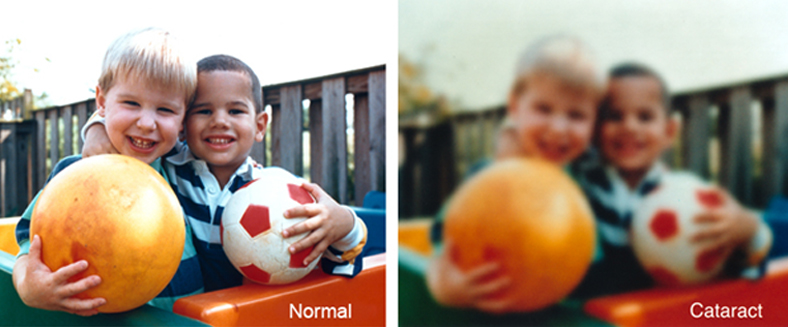
Turkey – No Thanksgiving is complete without a turkey, roasted golden brown and stuffed with fresh vegetables and herbs. Turkey is loaded with zinc and B-vitamin niacin, which helps prevent the formation of cataracts. Cataracts is one of the leading cause of vision loss in the United States, so gobble up! You are “preventing” cataracts with every bite.
Spinach, Green Bean Casserole, Asparagus and Brussel Sprouts – These foods and other leafy greens are loaded with lutein and zeaxanthin, two nutrients that protect the retina, which may also help reduce the risk of cataracts and macular degeneration. Healthy Green Bean Casserole Recipe
Sweet Potatoes – Sweet potatoes are full of Beta-carotene, which is a carotenoid and antioxidant that promotes night vision and overall good eyesight. Sweet potatoes are also loaded with vitamins C and E. Diets that are rich in these vitamins can help prevent or delay the development of cataracts and macular degeneration. Mashed Sweet Potatoes Recipe
Cranberry Sauce – Cranberries contain bioflavonoids, a large class of antioxidants. Bioflavonoids are found in the pulp, skin and rinds of foods that contain vitamin C. Both flavonoids and vitamin C help protect the eyes from free radical damage caused by pollution and the body’s normal metabolic processes.
Pumpkin Pie – Pumpkin is one of the best sources of vitamin A, so pumpkin pie is an eye-healthy dessert. In fact, one cup of cooked, mashed pumpkin contains more than 200 percent of the recommended daily intake of Vitamin A. Vitamin A provides nourishment and protection to the eye’s lens, cornea and macula (part of the retina), so it improves night vision.
A diet that’s full of the right nutrients is a great start to keeping your eyes healthy, but don’t forget that regular eye exams are equally important! We hope you enjoy a happy and delicious Thanksgiving with family and friends.
*For more eye healthy recipes click here EYE COOK
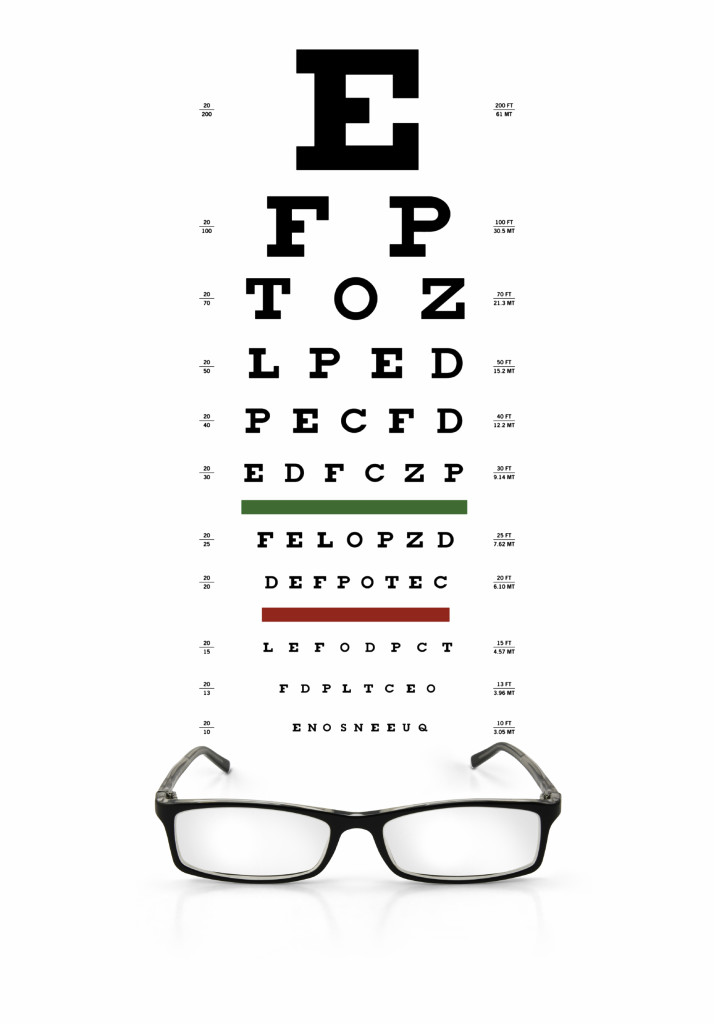 Understanding What 20/20 Vision Means
 Vision loss can have a major impact on every part of life. Having a visual impairment can create challenges in performing everyday tasks, and the stigma around losing vision can be isolating — causing feelings of fear, anxiety, or depression. But you’re not alone.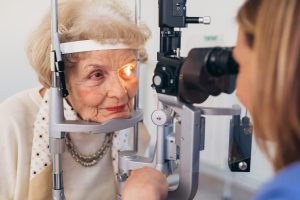
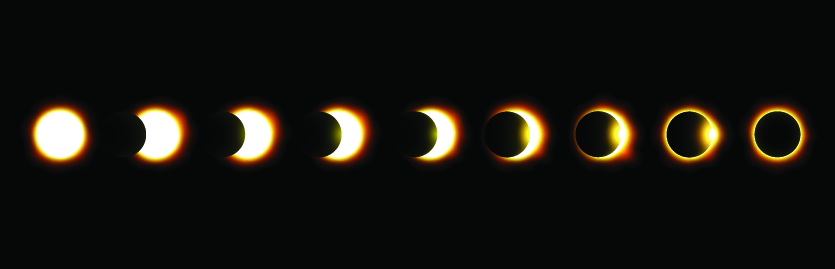
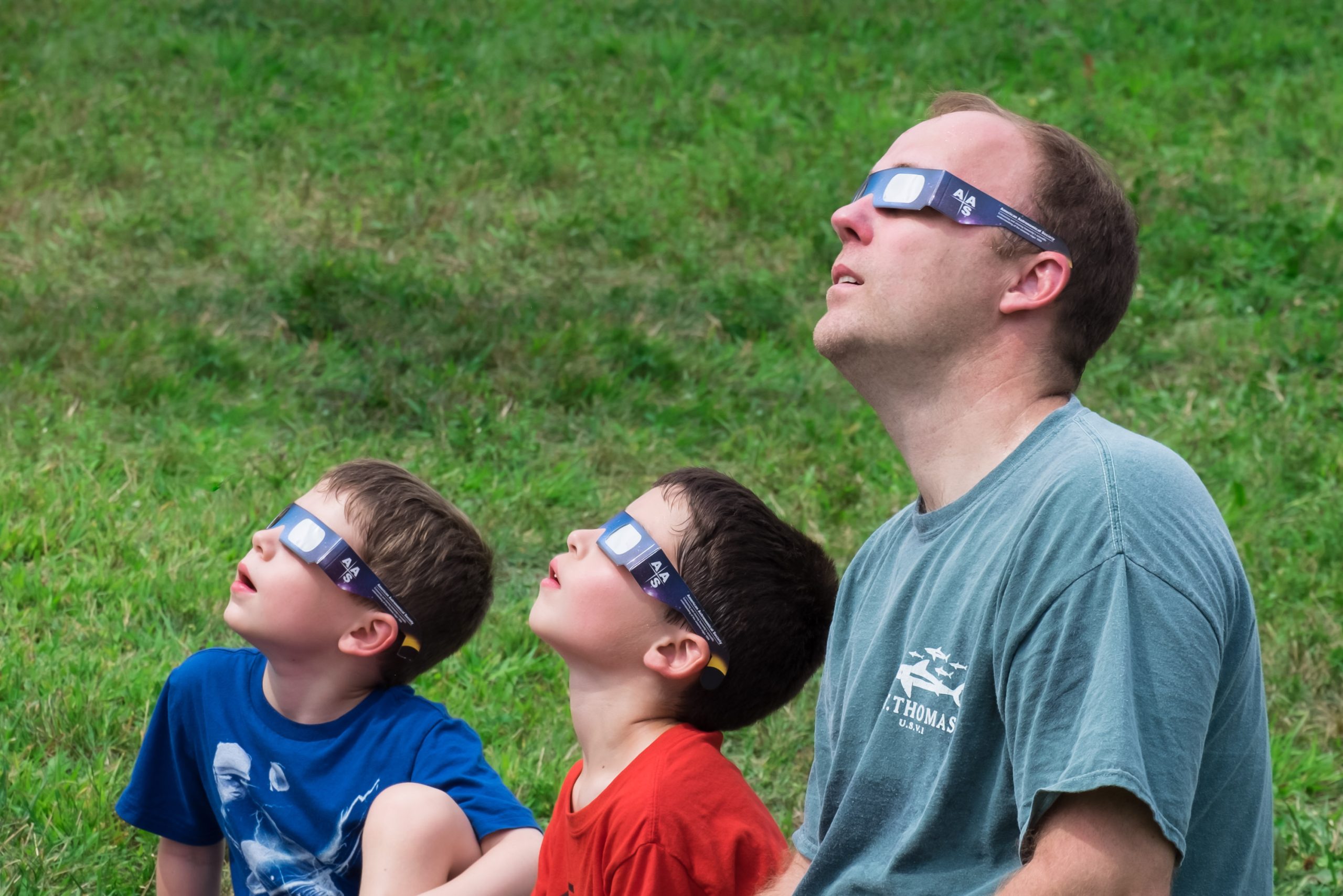 To protect your eyes during an eclipse, you need special glasses. Never use sunglasses, as they do not offer proper protection. Make sure they meet safety requirements and are manufactured with the ISO 12312-2 standard. Look for ISO standard labeling when looking for solar eclipse glasses and purchase them from a trusted source.
 Save Your Vision Month is here.
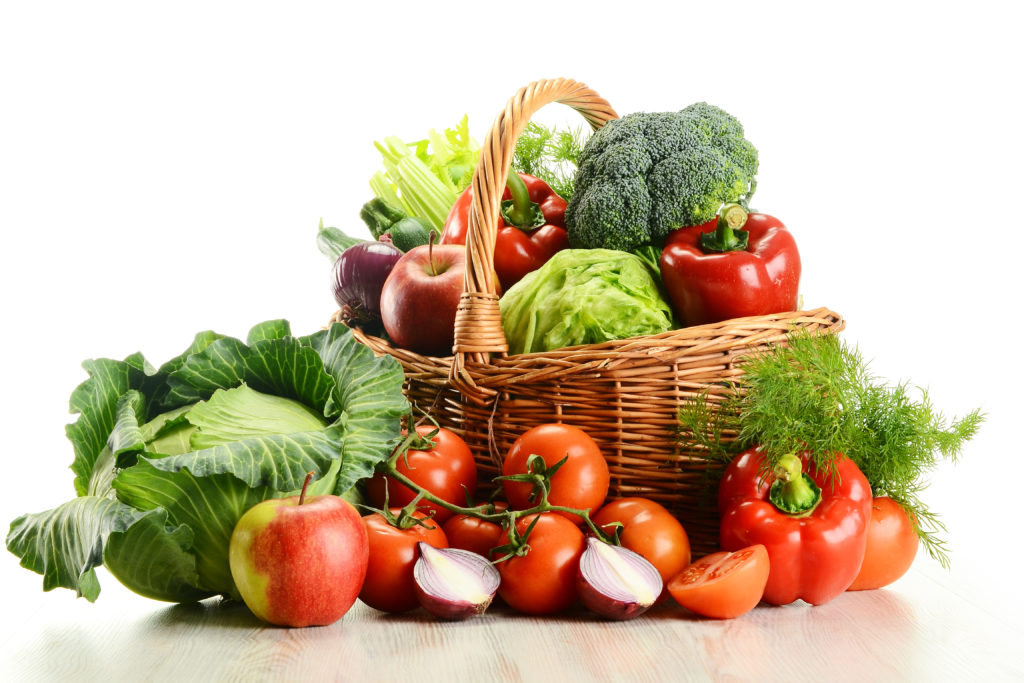

 Don’t smoke. Smoking increases your risk for age-related macular degeneration, cataract, and other eye diseases and conditions that can damage the optic nerve.
 Wear protective eyewear when outdoors. Protecting your eyes from the sun’s ultraviolet rays when you are outdoors is vital for your eye health. Wearing sunglasses that block 99 to 100 percent of both UV-A and UV-B radiation.
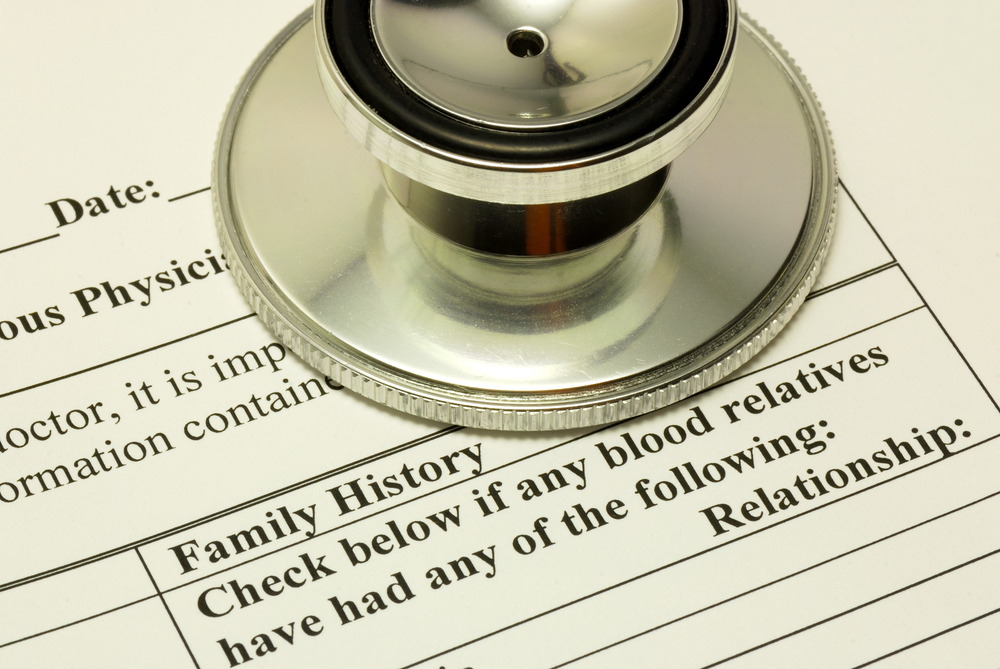 Know your family history. Talk to your family members about their eye health history. It’s important to know if anyone has been diagnosed with a disease or condition since many are hereditary, such as glaucoma, macular degeneration, and diabetes . This will help determine if you are at higher risk for developing an eye disease or condition.
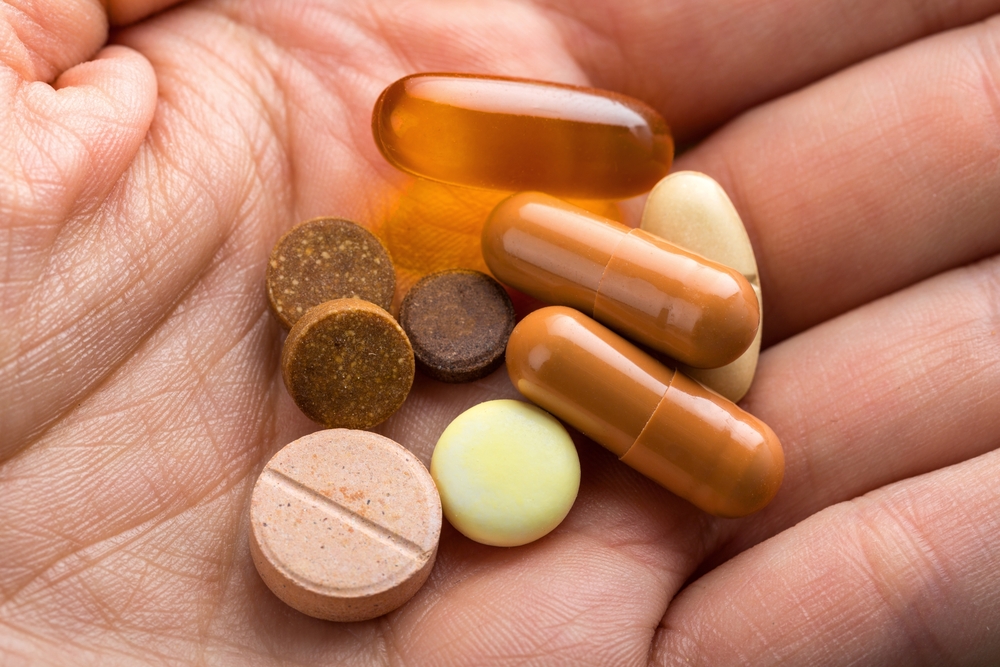 Consider a multivitamin. Vitamins C, E and the mineral zinc have been shown to promote eye health. Vitamins with Lutein and Zeaxanthin have been known to help patients with moderate to severe age-related macular degeneration.
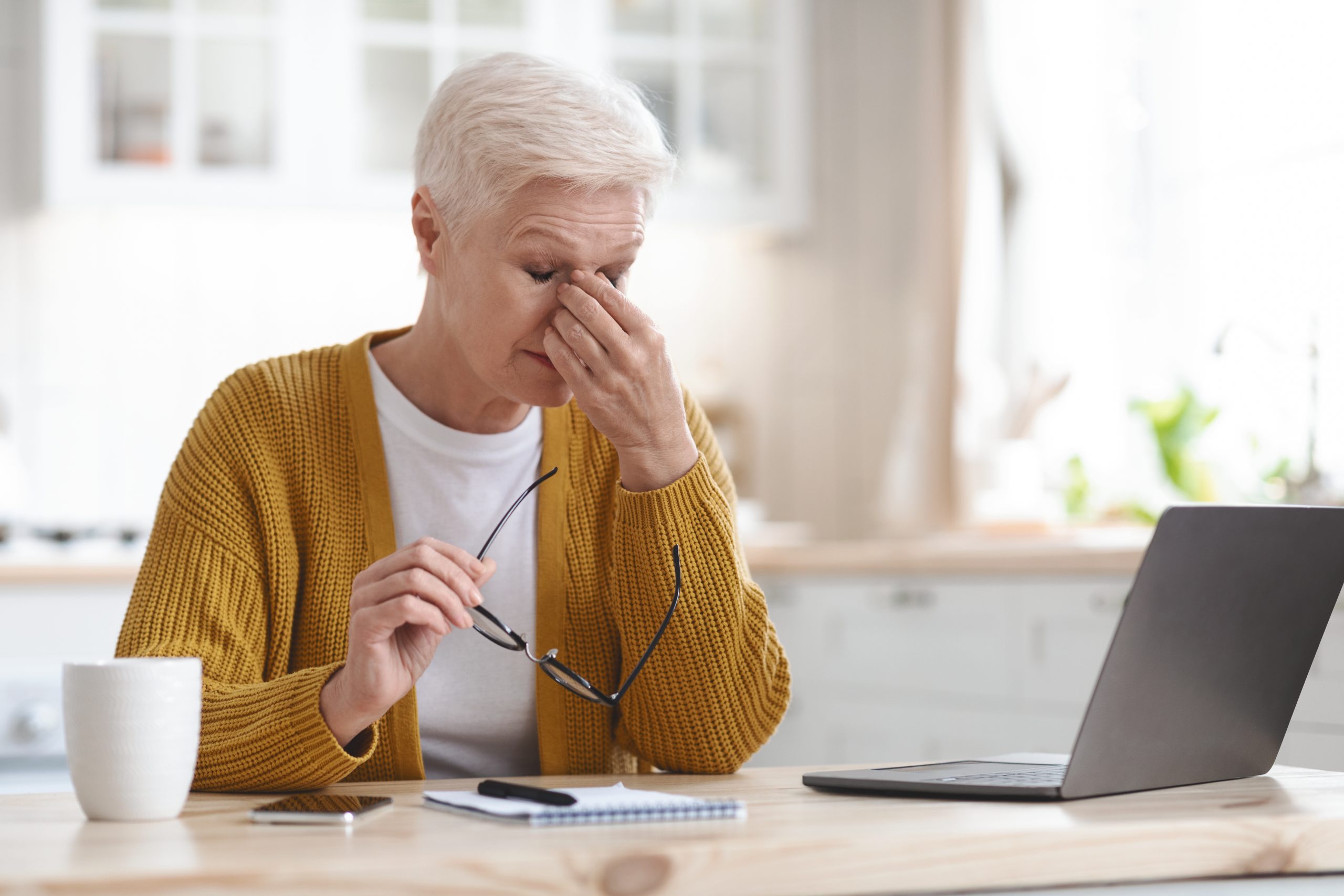 Give your eyes a rest. If you spend a lot of time at the computer or focusing at any one distance, you sometimes forget to blink, resulting in dryness and eye fatigue. Every 20 minutes, look away about 20 feet in front of you for 20 seconds. This can help reduce eyestrain. Consider using a lubricant eye drop during long periods of intense eye use and rest your eyes for 5 minutes.