

How We Get Them & How We Get Rid Of Them
Do you have something that looks like a pimple on the outside or inside your eyelid? Is it terribly uncomfortable and unsightly? You either have a stye or a chalazion on your eye.
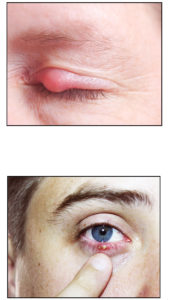 Chalazion is a non-infected swelling of the lid caused by a blocked lipid gland. Lipid from the blocked gland leaks into the eye lid tissue causing an inflammation which eventually clears the irritating lipid. This can take 2 to 4 weeks or more.
Styes are caused by bacteria from your skin that gets into and irritates the oil glands in the eyelids. These bacteria, which normally exist harmlessly on the skin of the eye, can sometimes get trapped along with dead skin cells on the edge of the eyelid. The result is a swollen, red, and painful bump that can develop over the course of a few days.
While most styes or chalazions are harmless and will heal on their own in about a week or two, they can still be thoroughly unpleasant. Fortunately, there are a few remedies that may help you get rid of a stye or chalazion a little faster — or at least reduce some of the discomfort and swelling that often accompany them.
Keep Your Eyelids Clean
- The first thing you should do if you develop a stye is cleanse your eyelids. You can use diluted tear-free baby shampoo on a cotton ball, washcloth, or makeup remover pad. Then rinse your eyelids with warm water and gently pat them dry.
- Also, be sure to wash your hands before and after touching the stye, and don’t share your towels or washcloths with others.
- Pre-moistened eyelid cleansing pads are another option. You can find these non-prescription items in most drugstores.
- It’s wise to stop wearing eye makeup temporarily when you have a stye or chalazion, because covering it up can delay the healing process. Also, discard old makeup or applicators that could be contaminated.
- And if you need vision correction, wear glasses rather than contact lenses until your stye heals.
Apply Warm, Moist Compresses
- You can encourage a stye or chalazion to heal faster by applying hot compresses for 10 to 15 minutes, three or four times a day.
- Some people use teabags for this purpose, but a basic clean washcloth dipped in warm (not hot) water will do the trick and is easy to prepare. Wring the cloth so it’s not dripping, then place it over your closed eyes.
- The goal of this therapy is to bring the stye or chalazionto a head, like you see on a pimple. But whatever you do, don’t get anxious and try to pop it! The warmth from the compress often will allow it to open, drain and heal on its own without causing trauma to the eyelid or possibly spreading an infection by squeezing it.
Ease the Discomfort
- Over-the-counter painkillers like acetaminophen and ibuprofen probably won’t do much to speed healing, but these medications may ease discomfort if a stye is particularly bothersome.
- Your eye doctor can also address pain associated with styes or chalazions. Sometimes, your eye doctor may choose to surgically open a large stye to relieve discomfort and prevent a serious infection.
Always consult a medical professional if you have concerns, pain, or if an external stye that does not clear up within one week or an internal one (on the inside of the eyelid) in three weeks.

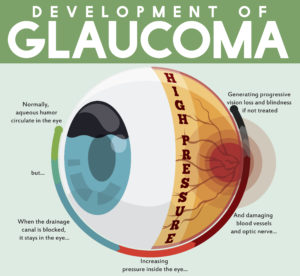 tic nerve, a part of the central nervous system that carries visual information from the eye to the brain.
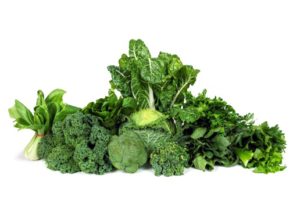 Be sure to start your holiday meal with a salad, it’s an excellent way to ensure that you and your guests get plenty of zeaxanthin and lutein, two nutrients that help protect your central vision. Adding kale, spinach, or romaine lettuce to salads helps your eyes absorb damaging blue light, combats the effects of cigarette smoke and pollution, and also decreases your risk of developing
  Turkey and lean beef, two of the main ingredients in many holiday meals, keep your eyes strong and healthy. Both foods are high in zinc, a nutrient important to the retina and the choroid layer under the retina.
  Zinc is essential for good night vision. Eating foods that are high in the nutrient can also reduce your risk of cataracts and AMD. Other foods that contain zinc include pork, dairy products, chick peas, black-eyed peas, crab, oysters, beans, spinach, mushrooms, cashews, and almonds.
  It wasn’t an old wives tale, it is true Carrots are good for your eyes! They contain beta carotene, a substance that turns into vitamin A when eaten. Eating carrots can benefit your night vision and could possibly reduce your risk of cataracts, AMD, and dry eyes. Other foods that contain beta carotene include pumpkin, sweet potatoes, and butternut squash. All great ingredients to include into your holiday feast.
  Fish contain omega-3 fatty acids, which can reduce your risk of developing AMD, dry eye, and glaucoma. Salmon, mackerel, flounder, tuna, halibut, herring, and sardines would be a great addition to your holiday meals.
 Whole grains reduce your risk of heart disease, obesity, and type 2 diabetes and can also decrease your risk of AMD. Substituting whole grain flour for white flour in holiday breads and muffins is a simple way to boost your whole grain intake. Other good whole grain sources include wild rice, brown rice, popcorn, oatmeal, bulgur, barley, buckwheat, and couscous.
  Fruits high in vitamin C, such as strawberries and oranges, also offer important vision benefits. Vitamin C is an antioxidant, a substance that can prevent cell damage caused by free radicals. Vitamin C-rich foods help keep the collagen in your cornea healthy and reduce the risk of cataracts and AMD. You can also find vitamin C in grapefruit, kiwi, blueberries, peas, broccoli, and tomatoes.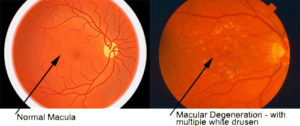
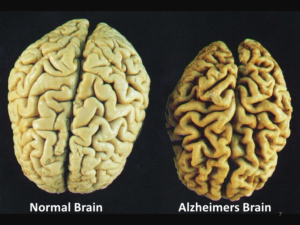
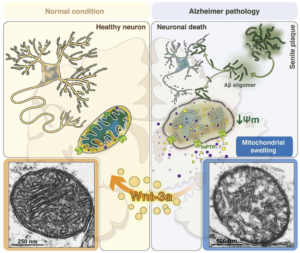
 Many of us just use the basics on our smart phone and never personalize them for our own needs. It is worth taking the time to adjust our phones to take advantage of the special services that may be available and unused. Making a phone call or sending a text message with a smart phone can be challenging, however, with simple modifications, keeping in touch with the world can become a snap. Getting comfortable with your smart phone will make staying in touch with your loved ones very easy.
 World KC Day is November 10th!
  Summer is almost over and it’s back to school season. As parents, many of us are busy ensuring our kids are ready and prepared for the new year; worrying about school supplies, new clothes, and new haircuts. There is always a long list of things to do before school starts. But something that often gets overlooked is getting your child’s eyes examined annually.
 For example, lutein and zeaxanthin are important antioxidants that help prevent degeneration in the lens and retina. Eating a diet rich in these carotenoids helps reduce the risk of AMD by fighting oxidation in the retinal cells of the eye.
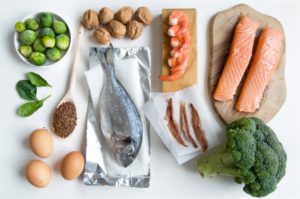 Eating fatty fish, such as salmon, tuna, mackerel, and sardines, that are rich in omega-3 fatty acids also helps lower the risk of AMD. Omega-3 fatty acids are rich in docosahexaenoic acid (DHA), which is important for eye health and visual function. People with dry eye syndrome (i.e., low tear production) can benefit from a diet rich in omega-3 fatty acids because dry eye is linked to low levels of DHA.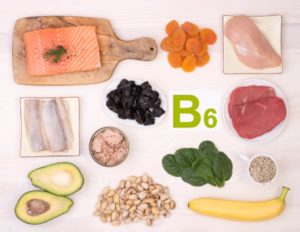
 Night vision can be impaired not only by the darkness, but also by the sudden glare of lights from oncoming cars, traffic signals, etc. Our eyes are forced to constantly adjust, leaving brief periods of impaired vision between adjustments.
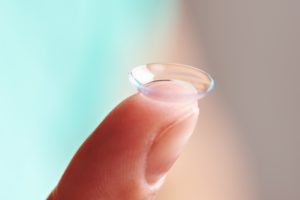 Most problems associated with contact lenses cause minor irritation, but serious eye infections from poor lens hygiene can be extremely painful and may lead to permanent vision loss. About 80 to 90 percent of contact lens-related eye infections are bacterial. A type of infection you can get is called pseudomonas aeruginosa, a fast-growing bacterial infection that can lead to a hole in your cornea. Unfortunately, patients who get this infection have a high chance of permanent scarring and vision loss. Beyond bacteria, fungal infections are also potential threats to your vision.