

Digital Eye Strain: How Screens Are Affecting Our Vision

From smartphones and tablets to laptops and desktop monitors, screens are now part of nearly every hour of our day. While technology keeps us connected and productive, increased screen time has led to a growing concern in eye care: digital eye strain.

Also known as Computer Vision Syndrome, digital eye strain refers to a group of vision-related symptoms that result from prolonged use of digital devices.


What Causes Digital Eye Strain?

When we use screens, our eyes work harder than usual. Several factors contribute to discomfort:

  • Reduced blinking while staring at screens
  • Poor lighting or glare
  • Improper viewing distance or posture
  • Uncorrected vision problems
  • Small text or low contrast settings

On average, people blink about 15–20 times per minute. During screen use, that number can drop by nearly half — leading to eye dryness and irritation.


Common Symptoms

You may be experiencing digital eye strain if you notice:

  • Blurry vision
  • Dry, irritated, or watery eyes
  • Headaches
  • Neck and shoulder pain
  • Difficulty focusing
  • Increased light sensitivity

While these symptoms are usually temporary, frequent discomfort can affect productivity and overall eye health.


How Blue Light Fits In

Digital screens emit blue light, a high-energy visible light that may contribute to eye fatigue and disrupt sleep patterns. While research is ongoing regarding long-term retinal damage, many patients report reduced discomfort when using blue light filtering lenses — especially in the evening hours.


Who Is Most at Risk?

Anyone who spends two or more continuous hours on a screen daily is at risk. This includes:

  • Office workers
  • Students
  • Remote workers
  • Gamers
  • Children using tablets and phones

With remote work and virtual learning becoming more common, cases of digital eye strain have increased significantly in recent years.


How to Protect Your Eyes

The good news: small changes can make a big difference.

Follow the 20-20-20 Rule
Every 20 minutes, look at something 20 feet away for at least 20 seconds. This allows your eye muscles to relax.

Adjust Your Workspace

  • Keep screens about 20–28 inches from your eyes
  • Position the monitor slightly below eye level
  • Reduce glare from windows or overhead lighting

Blink More Often
Make a conscious effort to blink fully to keep eyes lubricated.

Use Artificial Tears
Preservative-free lubricating drops can relieve dryness.

Schedule Regular Eye Exams and Special Glasses
An ophthalmologist can detect underlying vision issues and recommend corrective lenses specifically designed for computer use.


When to See an Eye Doctor

If symptoms persist despite lifestyle changes, it’s important to schedule a comprehensive eye exam. Persistent eye discomfort could indicate dry eye disease, uncorrected refractive error, or another underlying condition.

The Bottom Line

Digital devices are here to stay — but eye discomfort doesn’t have to be. With mindful screen habits, proper ergonomics, and routine eye care, you can reduce digital eye strain and protect your vision for the long term.

February is AMD Awareness Month: Protecting Your Sight

February is Age-Related Macular Degeneration (AMD) Awareness Month, a time dedicated to educating, supporting, and empowering those affected by this leading cause of permanent vision loss in the US.

Across the United States, nearly 20 million adults over 40 are living with some form of AMD. As our population ages, that number continues to grow — making awareness, early detection, and research more important than ever.


What Is Age-Related Macular Degeneration?

Age-Related Macular Degeneration (AMD) is a progressive eye condition that affects the macula — the central part of the retina responsible for sharp, detailed vision. The macula allows us to read, recognize faces, drive, and see fine detail.

AMD does not cause complete blindness, but it can significantly impact central vision, making everyday tasks more and more difficult.

There are two main types:

Dry AMD

The most common form, accounting for about 80–90% of cases. It progresses gradually and may not show noticeable symptoms in early stages. But as time moves on the patients experience loss of central clear vision read, recognize faces, drive, and see fine detail.

Wet AMD

The less common form, with more sudden loss of vision. It occurs when abnormal blood vessels grow under the retina and leak fluid or blood, leading to rapid vision changes. People with a sudden drop in their vision should see an ophthalmologist promptly because early treatment can help prevent further vision loss.

Why Awareness Matters

One of the greatest challenges with AMD is that early stages often have no noticeable symptoms. By the time vision changes occur, damage may already be underway.

Early detection through comprehensive dilated eye exams can:

  • Help establish the cause 
  • Allow timely treatment for wet AMD
  • Slow progression
  • Preserve independence and quality of life

If you are over 50, have a family history of AMD, smoke, or have cardiovascular disease, your risk may be higher.

Signs and Symptoms to Watch For

  • Blurred or fuzzy central vision
  • Straight lines appearing wavy
  • Dark or empty areas in the center of vision
  • Difficulty recognizing faces
  • Increased need for brighter light when reading
  • Use the amsler grid test to check your vision at home

If you notice any of these symptoms, schedule an eye exam promptly.

Taking Steps to Protect Your Vision

While there is currently no cure for AMD, lifestyle choices can play a role in delaying its onset or slowing progression:

  • Schedule regular comprehensive eye exams
  • Quit smoking
  • Eat leafy greens and foods rich in antioxidants
  • Maintain healthy blood pressure and cholesterol
  • Protect your eyes from UV light

Research continues to advance, offering hope for improved treatments and, one day, prevention.

How You Can Make a Difference During AMD Awareness Month

Awareness leads to action. Here are ways to get involved:

  • Support vision research by donating to the Discovery Eye Foundation, click here to donate
  • Share educational resources with family and friends
  • Encourage loved ones over 50 to schedule eye exams
  • Learn about clinical trials and emerging therapies

Together, we can reduce the impact of AMD and ensure more people preserve their sight and independence.

A Message of Hope

AMD can be life-changing, but it does not have to mean losing independence or hope. With early detection, proper care, and continued research, we are making meaningful strides in protecting vision.

This February, let’s commit to prioritizing eye health — for ourselves and for those we love.

As the New Year begins, we would like to thank our donors for your generosity and dedication.  Your support plays a vital role in advancing our mission.

We wish you a wonderful New Year filled with success, good health, and happiness.

How Nutrition Shapes the Health of Your Eyes

When we think about healthy eating, we usually picture stronger muscles, better digestion, or sharper memory.  But your eyes? They’re often left out of the conversation — even though they depend on nutrients just as much as the rest of your body.


Your eyes are some of the most energy-demanding organs you have.  Every blink, every moment of focus, every shift from screen to sunlight depends on a steady supply of vitamins, minerals, and antioxidants. The right foods can help sharpen your vision today and protect against age-related problems in the future.

Let’s dive into the fascinating connection between nutrition and your eyes, and explore what you can eat to keep your vision clear and your eyes comfortable.

Vitamin A: The Classic Eye Health Nutrient

Vitamin A is famous for a reason. It helps create a pigment in the retina that allows you to see in low light. Without enough of it, night driving might get tricky — or you may even experience night blindness.

Vitamin A also supports:

  • A healthy surface of the eye (the cornea)
  • Moisture production to prevent dry eye
  • Immune defenses that protect the eyes from infection

Top sources: Sweet potatoes, carrots, spinach, kale, cantaloupe, eggs, and dairy.


Lutein & Zeaxanthin: Natural Blue-Light Filters

These two antioxidants are like sunglasses built right into your eyes. They gather in the macula — the part of the retina responsible for sharp central vision — and absorb harmful blue light from the sun and digital screens.

Why they matter:

  • Reduce risk of age-related macular degeneration (AMD)
  • Lower risk of cataracts
  • Support visual performance in bright light

Where to find them: Dark leafy greens (spinach, kale, collards), broccoli, peas, and egg yolks.


Omega-3 Fatty Acids: Moisturizing from the Inside Out

If your eyes often feel gritty, tired, or irritated, omega-3s may help. These healthy fats support the oily layer of your tears, keeping them from evaporating too fast — a major cause of dry eye.  Omega-3s also play a structural role in the retina and have anti-inflammatory benefits.

Good sources: Salmon, sardines, mackerel, anchovies, chia seeds, flaxseeds, and walnuts.


Vitamins C & E: Antioxidants for Long-Term Protection

Your eyes are exposed daily to oxygen, sunlight, and environmental stress — all of which create free radicals that can damage delicate tissues. Vitamins C and E act as antioxidants, neutralizing these free radicals and protecting your lenses and retinas.

They may help reduce the risk of:

  • Cataracts
  • Age-related eye damage

Get more from:

  • Vitamin C: citrus, strawberries, bell peppers, tomatoes
  • Vitamin E: almonds, sunflower seeds, avocados, plant oils


Zinc: The Vision Support Mineral

Zinc helps your body absorb and move vitamin A to the retina, where it’s needed for vision. It also supports enzymes that defend the eyes against oxidative stress.

Sources: Pumpkin seeds, lentils, chickpeas, beef, poultry, and whole grains.


The Best Eating Pattern for Healthy Eyes

While individual nutrients matter, your overall diet has the biggest influence. Research shows that a Mediterranean-style diet — rich in plants, healthy fats, and whole foods — is especially protective.

Build an eye-friendly plate with:

  • Leafy greens
  • Colorful vegetables
  • Fatty fish
  • Beans and legumes
  • Nuts and seeds
  • Whole grains
  • Olive oil
  • Limited processed foods and sugars

This pattern fights inflammation, supports blood vessel health, and provides a steady supply of eye-protective nutrients.


What About Supplements?

Supplements aren’t a replacement for food, but they can help in certain cases — particularly for people with intermediate macular degeneration, where the AREDS2 formula has been proven to slow disease progression.

For others, supplements may help if your diet lacks specific nutrients like omega-3s, B12 (for vegans), or lutein.

Always check with an eye doctor before starting an eye-health supplement routine.


The Bottom Line

Your eyes are an extension of your overall health — and they thrive on the nutrients you feed them. Whether you want to ease dry eye, sharpen your daily vision, or protect against age-related changes, your plate is one of your most powerful tools.

A balanced, colorful diet nourishes your vision from the inside out. What you eat today truly can shape how you see tomorrow.

Visit our website page: EyeCook for recipes that are rich with vitamins and nutrients for better vision and health!

Protect Your Sight: 10 Habits to Avoid for Healthy Eyes

Your eyes are delicate and constantly at work, yet many everyday habits can unknowingly contribute to long-term damage to our vision.  Here are 10 everyday habits that might be harming your eyes without you even realizing it:

  1. Rubbing your eyes – This can damage the delicate tissues around the eyes and increase the risk of keratoconus in susceptible people. It also spreads germs, raising the chance of infections like conjunctivitis.

Better habit: Use a clean tissue or wash your face if your eyes are irritated.


  1. Staring at screens for too long – Spending hours on phones, computers, or tablets without breaks can cause digital eye strain. Symptoms include dryness, blurred vision, headaches, and eye fatigue.

Better habit: Follow the 20-20-20 rule — every 20 minutes, look at something 20 feet away for 20 seconds.


  1. Sleeping in contact lenses – Wearing contacts overnight (unless specifically approved) can cut off oxygen to your corneas and increase the risk of corneal ulcer.

Better habit: Always remove and clean contacts before bed.


  1. Skipping sunglasses – Not wearing sunglasses exposes your eyes to harmful UV rays, increasing the risk of cataract and macular degeneration over time.

Better habit: Wear sunglasses that block 100% of UVA and UVB rays, even on cloudy days.


  1. Ignoring dryness or irritation – Eye dryness can lead to chronic discomfort or damage to the corneal surface if left untreated. It may be linked to dry eye syndrome.

Better habit: Use preservative-free artificial tears and blink more often, especially when using screens. If persists, see your eye care practitioner.


  1. Not removing makeup properly – Sleeping in eye makeup can block oil glands, causing irritation or infection.

Better habit: Gently remove makeup each night with a clean cloth or wipes designed for the eye area.


  1. Using expired eye makeup – Old makeup can harbor bacteria, leading to eye infections.

Better habit: Replace mascara every 3 months and avoid sharing makeup to reduce the risk of contamination.


  1. Poor Contact Lens Hygiene – Not cleaning your contact lenses properly or using tap water to rinse them can lead to infections.

Better habit: Always follow your eye doctor’s care instructions, use fresh solution, and wash your hands before handling lenses.


  1. Reading in Poor Lighting – Though it won’t permanently damage your eyes, reading in dim light can cause eye strain and discomfort.

Better habit: Read or do close up work with adequate lighting.


  1. Skipping regular eye exams – Some serious eye diseases, like glaucoma, can develop without noticeable symptoms.

Better habit: Get a comprehensive eye exam every 1–2 years (or as recommended by your eye doctor).


Taking care of your eyes is just as important as caring for the rest of your body. Breaking bad habits and staying on top of regular eye exams can help keep your vision strong for years.  If you have any concerns about your eye health, consult your eye care professional for advice.

Dry Eye vs. Allergies: How to Tell the Difference

Itchy, watery, red eyes can make anyone miserable. But are your symptoms from dry eye or allergies? While the two conditions often feel similar, they have very different causes and treatments. Knowing the difference can help you get the right relief.

What Is Dry Eye?

Dry eye happens when your eyes don’t produce enough tears, or when the tears evaporate too quickly. Healthy tears keep the surface of the eye smooth, nourished, and protected. When this system doesn’t work properly, you may notice:

  • Burning or stinging sensation
  • Grittiness (like sand in the eye)
  • Blurred vision that clears with blinking
  • Redness
  • Discomfort that worsens later in the day or after screen time
  • Dry eye is often related to aging, contact lens use, certain medications, medical conditions, or spending lots of time staring at digital screens. 

What Are Eye Allergies?

Eye allergies—also called allergic conjunctivitis—occur when your eyes react to allergens like pollen, dust, pet dander, or mold. Your immune system triggers a histamine response, leading to inflammation and classic allergy symptoms such as:

  • Itching eyes (the hallmark sign)
  • Red, watery eyes
  • Many times there is also nasal congestion and sneezing
  • Swelling around the eyelids
  • Stringy, clear discharge
  • Symptoms that flare up seasonally (like during spring or fall) or in specific environments
  • Unlike dry eye, allergies are immune-driven and often come with other allergy symptoms like sneezing or a runny nose.

Key Differences Between Dry Eye and Allergies

Symptom/Feature Dry Eye Allergies
Main Sensation Burning, stinging, gritty Itching
Tear Quality Too few or poor-quality tears Excess watery tears
Discharge Usually minimal, stringy mucus Clear, watery, or stringy discharge
Timing Worse at end of day, with screen use Flare-ups tied to allergen exposure
Other Symptoms Blurred vision, eye fatigue Sneezing, nasal congestion
Relief From Artificial tears, lifestyle changes Antihistamines, avoiding allergens


Can You Have Both?

Yes—some people experience both dry eye and allergies at the same time. For example, if your eyes are already dry, allergens may irritate them more. And some allergy medications (like oral antihistamines) can actually make dry eye worse by reducing tear production.


When to See an Eye Doctor

If you’re unsure whether your symptoms are from dry eye, allergies, or both, it’s best to consult an eye care professional. They can perform tests to measure tear production, check for inflammation, and help you find the right treatment plan.


Bottom Line

Both dry eye and allergies can make your eyes feel irritated, red, and watery—but the root causes are very different. Pay attention to whether you experience burning and dryness (more likely dry eye) or itching and watery discharge (more likely allergies). Correctly identifying the problem is the first step toward lasting relief.

Don’t Forget Your Eyes: UV Protection is Just as Important as Sunscreen

Summertime often means long hours spent outdoors—whether at the beach, hiking, barbecuing, or just soaking up the sunshine. Most of us know to apply sunscreen to protect our skin from harmful UV rays, but there’s one vital area we often overlook: Our Eyes.

Just like your skin, your eyes are vulnerable to the damaging effects of ultraviolet (UV) radiation. Prolonged exposure to UV rays can lead to serious eye health issues over time, including cataracts, macular degeneration, and even certain types of eye cancer.

UV radiation, whether from natural sunlight or indoor artificial rays, can damage the eye’s surface tissues as well as the cornea and lens.  Unfortunately, many people are unaware of the dangers UV light can pose. By wearing UV-blocking sunglasses, you can enjoy the summer safely while lowering your risk for potentially blinding eye diseases.

Here are a few of the eye conditions you can avoid by wearing sunglasses:

  • Cataracts and eye cancers can take years to develop. Each time you bask in the sun without eye protection, you increase your risk of serious disease. Babies and children need to wear hats and sunglasses for this very reason. People of all ages should take precautions whenever they are outdoors.
  • Growths on the eye, such as pterygium, can show up in our teens or 20s. Surfers, skiers, fishermen, farmers, and others who spend long hours under the midday sun or near rivers, oceans, and mountains are at risk.
  • Snow blindness can happen after exposure to UV reflections off of snow, ice, sand, or water.

The good news? Protecting your eyes is simple.

Here’s how you can safeguard your vision this summer and every season

Many sunglasses shoppers forget to check the UV rating before purchasing a pair. Be sure to select sunglasses that provide 100% UV or UV400 protection, or block both UV-A and UV-B rays.

Here are additional tips to protect your eyes from UV damage, no matter what the season: 

  • Wear a hat along with your sunglasses. Broad-brimmed hats are best.
  • Protect children and senior citizens with hats and sunglasses. Everyone is at risk for sun damage.
  • Know that clouds don’t block UV light. The sun’s rays can pass through haze and clouds.
  • Sunlight is strongest midday to early afternoon. It is also stronger at higher altitudes and when reflected off of water, ice, or snow.
  • Never look directly at the sun. Doing so at any time, including during an eclipse, can damage the eye’s retina and cause a serious injury known as solar retinopathy.
  • Avoid tanning beds. Tanning beds pose the same risks to your eyes and body as outdoor UV light.

Long-term eye health starts with small steps today. By embracing these simple guidelines, your eyes will thank you for years to come.


Support Sight-Saving Research by Donating to the Discovery Eye Foundation

DONATE NOW

Smoking and Vision Loss

Smoking has long been known to cause heart disease and lung cancer; however many people do not realize that smoking can lead to serious loss of vision. Cigarette smoke contains thousands of chemicals that can damage many organs in our bodies, including our eyes. Over time, smoking can cause serious eye diseases that can cause permanent vision issues.

The following eye diseases can be made worse by smoking:

  • Age-related Macular Degeneration(AMD) – an eye disease that affects central vision. You need central vision to see objects clearly and for common tasks such as reading, recognizing faces, and driving.
  • Cataracts – cause blurry vision that progresses over time. Without surgery, cataracts can lead to serious vision loss. The best way to protect your sight from damage linked to smoking is to quit or never start smoking.
  • Glaucoma – causes a gradual breakdown of the cells that make up the optic nerve which sends visual information to your brain.. As the nerve cells die, vision is slowly lost, usually beginning with side vision. Often the loss of vision is not noticeable until a significant amount of nerve damage has occurred. This is why as many as half of all people with glaucoma may be unaware that they have the disease.
  • Diabetic Retinopathy – a common complication of diabetes. It affects the tiny blood vessels of the retina in the eye. Retinal blood vessels can break down, leak or become blocked and this can affect vision over time. In some people with diabetic retinopathy, serious damage to the eye can occur when new blood vessels grow on the surface of the retina.
  • Dry Eye Syndrome – is a condition where eyes do not produce enough tears and lubrication may result in more prominent blood vessels on the eye This can lead to eye irritation, burning, scratchy and painful eyes.

Symptoms of Eye Diseases Related to Smoking:

Age-related Macular Degeneration (AMD):

    • Loss of central vision needed to see details straight ahead.
    • Blurry or wavy areas in the central vision.
    • Difficulty recognizing faces.
    • Need for more light to read or perform other tasks.

Cataracts:

    • Cloudy or blurry vision.
    • Colors appearing faded or dull.
    • Sensitivity to light.
    • Trouble seeing at night.
    • Double vision.

Diabetic Retinopathy:

    • Blurry or distorted vision.
    • Dark or empty areas in vision.
    • Difficulty seeing colors.

Dry Eye Syndrome:

    • Scratchy, burning, or painful sensations.
    • Red eyes
    • Excessive tearing.
    • Blurry vision.

How Can You Protect Your Vision Related to Smoking?

The best way to protect your eyes is to QUIT SMOKING.  According to the National Eye Institute (NEI), quitting smoking lowers the risk of developing eye diseases. Your eyes can begin to recover and your overall health will improve.

Here are some tips to protect your eyes:

  • Eat Healthy Foods: Add leafy greens like spinach and kale to your meals. Fish high in omega-3 fatty acids, like salmon and tuna, are also good for your eyes.
  • Wear Sunglasses: Protect your eyes from the sun by wearing sunglasses. Look for sunglasses that block 99 to 100 percent of UVA and UVB rays. Sunglasses help even on cloudy days.
  • Get Regular Eye Exams: Schedule regular check-ups with an eye doctor. Early detection of eye problems can lower your risk of serious diseases. If eye diseases run in your family, early care is especially important.

If you smoke cigarettes and are concerned about your vision, consult with your health care provider about ways to quit smoking to help protect your eyes.  You can also find resources to help you on your journey to living a smoke-free life at Smokefree.gov.

June is Cataract Awareness Month


National Cataract Awareness Month is celebrated in June. The awareness campaign promotes information about the eye condition that is the leading cause of treatable vision loss in the U.S.?  Yes, this is a scary fact, but no need to be frightened because cataracts are treatable with an outpatient surgery.

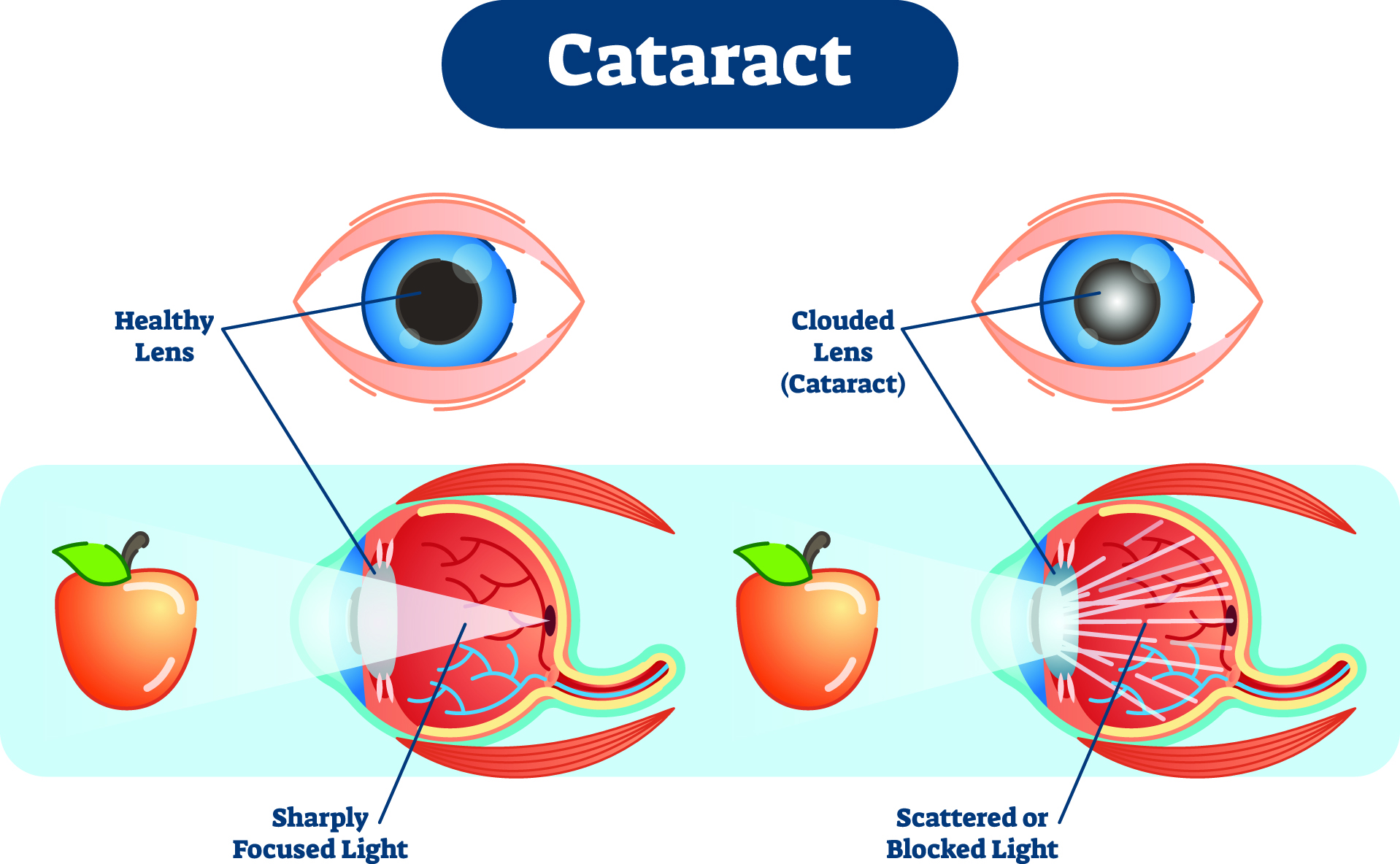
Vision loss from cataract is caused by clouding on the lens of the eye. The lens of the eye is behind the colored iris and its dark center pupil. Cataract surgery removes the cloudy lens and replaces it with a crystal-clear artificial lens.  This common eye condition mostly affects people over 50 and the causes can range from simple aging, diabetes, long-term eye diseases, and eye injury/inflammation, to factors like hereditary influences, smoking, intake of certain oral steroids, and so forth.


Cataract Vision Simulator

Although there may be no early symptoms, patients may begin to notice:

  • cloudy or blurry vision
  • colors that look faded
  • difficulty seeing at night
  • a halo around lights, making night driving difficult
  • seeing double out of the affected eye
  • frequent changes of the prescription of eyeglasses or contact lenses


YOUR DIET IS VERY IMPORTANT

A healthy diet may help reduce risk of and/or delay formation and progression of cataracts. Research suggests that a diet high in vitamin C-rich foods — citrus (oranges, kiwi, lemon, grapefruit), bell peppers, strawberries, tomatoes, cruciferous vegetables (broccoli, Brussels sprouts, cabbage, cauliflower) — is helpful in slowing the progression of cataracts. More importantly, adopting good nutrition is a cornerstone of optimizing health early in life and can greatly reduce the risk of developing age-related diseases including cataracts.  For eye healthy recipes visit discoveryeye.org/eye-cook-delicious-food-health/


BE SURE TO HAVE AN ANNUAL EYE EXAM

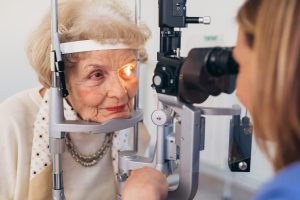
By age 40, all adults should visit an eye specialist for a comprehensive eye exam to screen for early-stage cataracts and other eye diseases that are leading causes of low vision and even blindness. By age 65, a routine eye exam is recommended every year, in most cases to diagnose cataracts that are progressively clouding the lens. Cataract can be more common in people with diabetes, after eye trauma or in those taking corticosteroid medications. A comprehensive eye exam allows eye specialists to detect and monitor cataract progression as well as diagnosing other problems such as glaucoma. Patients should discuss with their eye specialist their vision problems and seek guidance about the timing of cataract surgery when worsening vision has compromised their quality of life and normal functioning.


LIVE A HEALTHY LIFESTYLE 

Multiple factors are at play that increase our risk for developing a degenerative eye disease or vision compromising conditions as we age.  If an individual lives long enough, then cataract formation is unavoidable. Living a healthy lifestyle, however, greatly improves an adult’s odds of avoiding early onset, faster progression, or possibly even avoiding the need for cataract surgery in the future.


WHY WE PROMOTE CATARACT AWARENESS MONTH

It’s a celebration of sight – The ability to see the world clearly and in all its glory is something we shouldn’t take for granted. Millions upon millions of cells perform complex operations in our eyes to allow us the gift of sight. We should take care of our eyes and appreciate our glorious vision for what it is.

It’s a celebration of science – Science has not only explained to us how intricately our eyes work, but it has also revealed to us the many ways we can repair and treat them in case things go south. Medical advancements have ensured that about 80% of all eye diseases are treatable or can be prevented.

It’s a celebration of modern surgery – There’s “always” light at the end of the tunnel. Today’s cataract surgery is a modern-day miracle developed by dedicated surgeons over the last five decades.  For most of us it is a painless, outpatient surgery with rapid return of excellent vision.

For more information about cataract:

https://discoveryeye.org/eye-conditions/cataracts/

May is Healthy Vision Month

Welcome to May, when we celebrate Healthy Vision Month! As we embark on this month-long journey of raising awareness about the importance of eye health, the Discovery Eye Foundation is thrilled to join the cause.

Our vision is a precious gift and it’s crucial to take proactive steps to maintain it. In this blog post, we’ll explore the significance of Healthy Vision Month and share valuable tips to help you safeguard your eyesight for years to come.

Healthy Vision Month is more than just an annual observance; it’s a reminder of the critical role that vision plays in our daily lives. Our eyes enable us to experience the world around us, from admiring breathtaking landscapes to connecting with loved ones through meaningful eye contact and so much more. According to the American Academy of Ophthalmology, approximately 75% of adults use some form of vision correction, highlighting the prevalence of vision issues in society. However, many people overlook the importance of regular eye care until they encounter vision problems. By dedicating the month of May to promoting eye health awareness, we can empower individuals to prioritize their vision and take proactive measures to preserve it.

Here are a few ways you can help protect your vision

  • Get an annual comprehensive dilated eye exam.
  • Know your family’s eye health history. It’s important to know if anyone has been diagnosed with an eye disease or condition, since some are hereditary.
  • Eat right to protect your sight: In particular, eat plenty of dark leafy greens such as spinach, kale, or collard greens, and fish that is high in omega-3 fatty acids such as salmon, albacore tuna, trout, and halibut. Visit Eye Cook for eye healthy recipes.
  • Maintain a healthy weight and exercise regularly.
  • Wear protective eyewear when playing sports or doing activities around the home, such as painting, yard work, and home repairs.
  • Quit smoking or never start.
  • Wear sunglasses that block 99 -100 percent of ultraviolet A (UVA) and ultraviolet B (UVB) radiation.
  • Wash your hands before taking out your contacts and cleanse your contact lenses properly to avoid infection.
  • Practice workplace eye safety.

Taking care of your eyes also may benefit your overall health. People with vision problems are more likely than those with good vision to have diabetes, poor hearing, heart problems, high blood pressure, lower back pain and strokes, as well as have increased risk for falls, injury and depression.

In addition to your comprehensive dilated eye exams, visit an eye care professional if you have:

  • Decreased vision
  • Eye pain
  • Drainage or redness of the eye
  • Double vision
  • Diabetes
  • New floaters (tiny specks that appear to float before your eyes)
  • Circles (halos) around light sources or if you see flashes of light

For this Healthy Vision Month, take care of your eyes to help them last a lifetime.