


April is Women’s Eye Health Month to educate women about the steps they can take today to help preserve vision in the future. Women make up most of the 4.4 million Americans age 40 and older who are visually impaired or blind. Some eye conditions can cause vision loss and even blindness. These include:
- Cataracts, a clouding of vision caused by changes in the lens of the eye.
- Diabetic-retinopathy, which causes damage to the blood vessels in the back of the eye.
- Glaucoma, damage to the optic nerve caused by increased eye pressure.
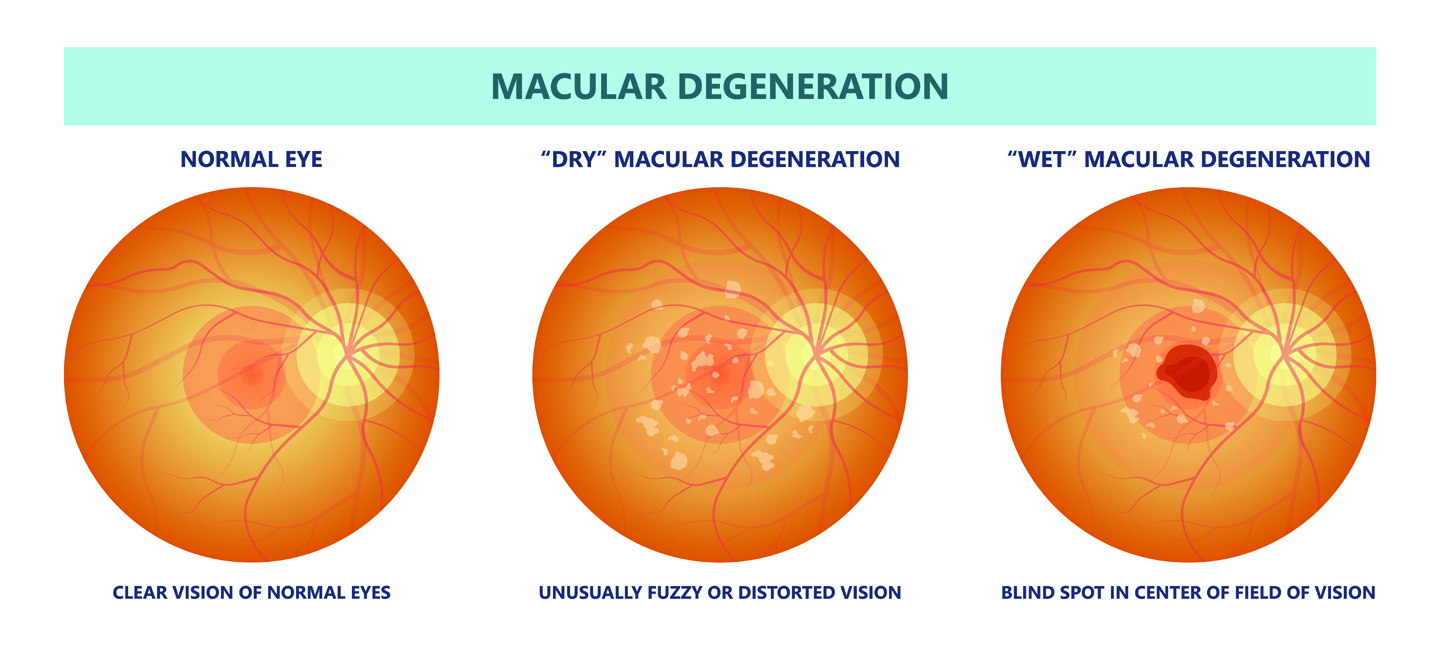
- Age-related macular degeneration (AMD) gradually affects central vision.
The easiest way to test for common eye problems is a dilated eye exam – in which your eye doctor uses drops to widen your pupils and check for common issues. This exam is the best way to detect eye disease’s early stages.
Good Eye Habits to Lessen or Prevent Future Vision Problems
- Receive an annual eye exam. Regular dilated eye exams help monitor your vision status.
- Eat a healthy diet. Good nutrition is the key to good health, including your vision. Dark green vegetables have been shown to reduce the risk of age-related macular degeneration (AMD) potentially. Also, remember to keep your diet low in sodium and caffeine. Visit our website for eye healthy recipes. discoveryeye.org/eye-cook-delicious-food-health/
- Quit smoking today. Crushing the habit of smoking can reduce the risk of a host of diseases such as cancer and respiratory issues. Smoking is the most important risk factor for AMD and progression.
Having healthy eyes not only keeps us alert but keeps us safe. It is of the utmost importance to keep our eyes safe and have regular eye exams to check for any problems.
To learn more about the Discovery Eye Foundation’s research, visit discoveryeye.org/research/our-research-projects/
 Thank You to all who helped support DEF
  Harsh weather conditions can reduce the natural moisture in your eyes and the irritation usually results in a burning or itching sensation that often leads to rubbing or scratching your eyes which can worsen the symptoms. Sometimes it feels like there is a foreign object in your eye and for some, dry eyes can even cause excessive tearing, as your eyes try to overcompensate for their lack of protective tears. Prolonged, untreated dry eyes can lead to blurred vision as well. Between the harsh winter winds outside and the dry heat radiating inside, our eyes are very quickly irritated and dried in the winter months. The result is itchy, dry eyes that may cause pain, blurred vision, a burning sensation, or even watery vision as our eyes try to compensate for the dryness.
 In the house: When using household chemicals, read the instructions and labels carefully, work in a well-ventilated area and make sure to point spray nozzles away from you. Many chemicals are extremely hazardous and can permanently damage the surface of your eyes, resulting in some loss of vision or even blindness.
 In the garage/workshop: Wear protective eyewear to shield your eyes from flying fragments, fumes, dust particles, sparks and splashing chemicals. Power tools can also send wood chips or other substances flying into the air. Many objects can fly into your eyes unexpectedly and cause injury.
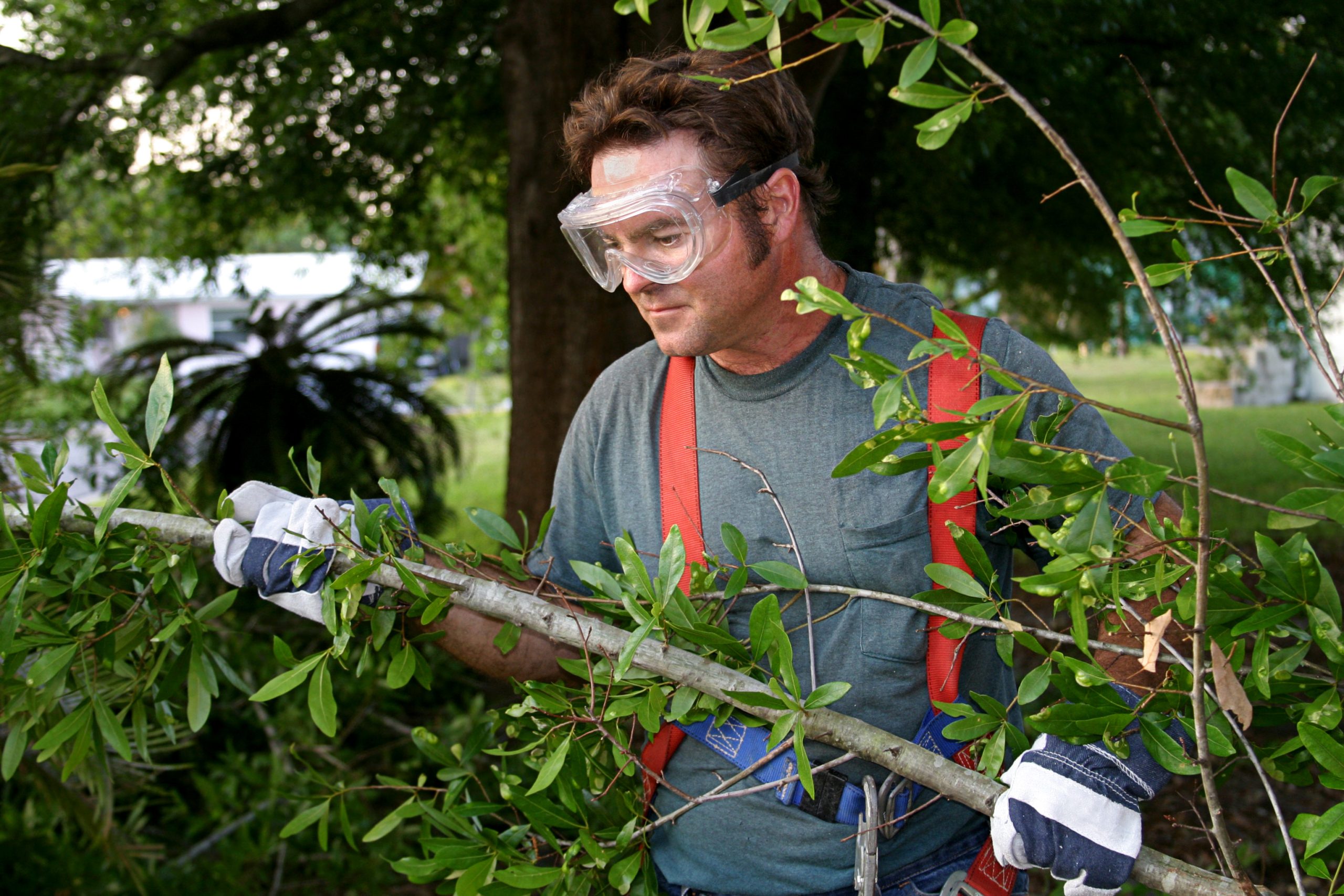 In the yard/garden: Put on protective eyewear before you use a lawnmower, power trimmer or edger and be sure to check for rocks and stones because they can become dangerous projectiles as they shoot from these machines.
 Make sure they take frequent screen breaks. Instead of focusing directly on the screen, encourage your child to look around the room every now and then, or take some time to stare out the window (at least 20 seconds is recommended by the American Optometric Association). You can even remind them to blink.
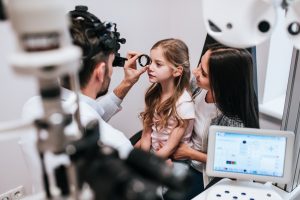 It’s easy for us to forget about our eyes let alone our child’s, but it is very important to get your child’s eyes checked regularly.