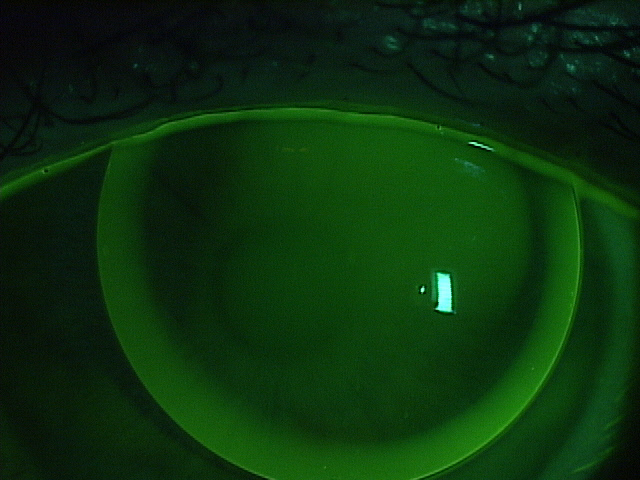

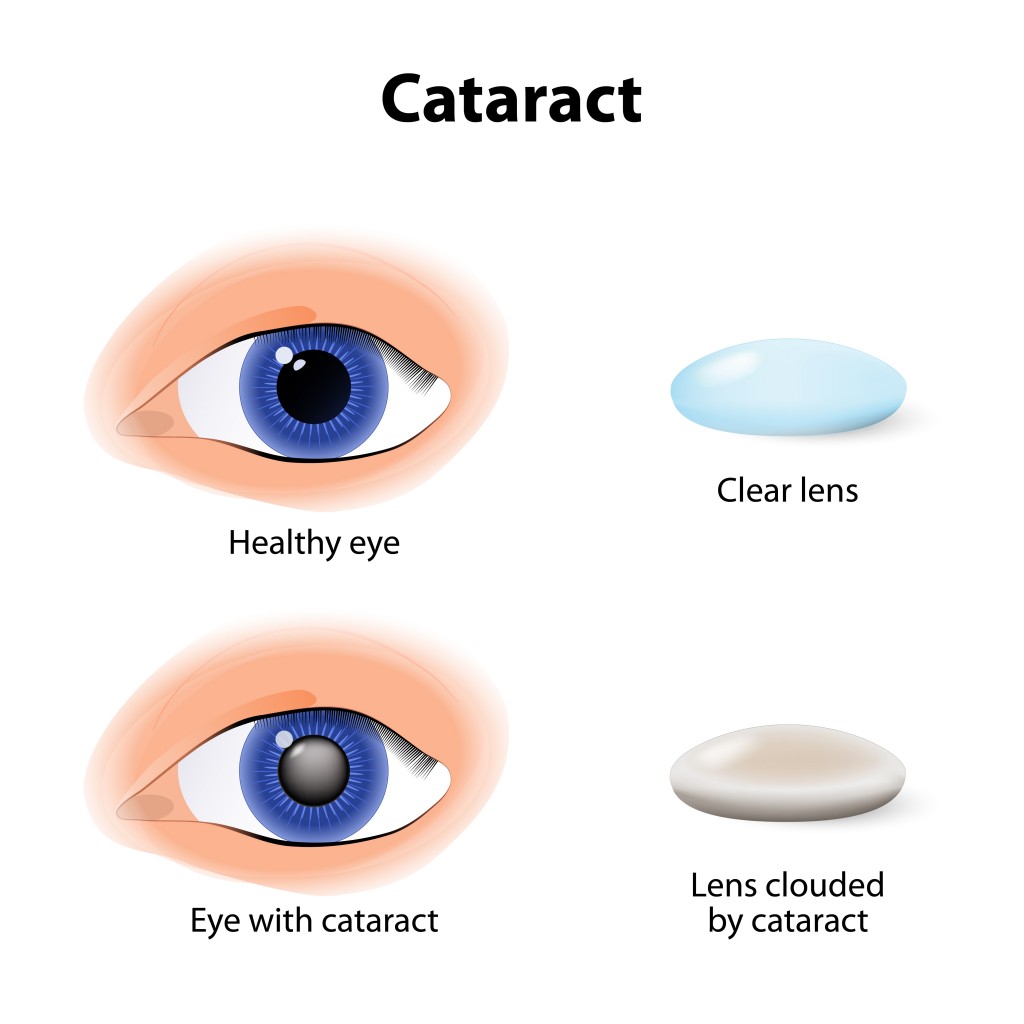
Many of us associate cataracts as a condition that affects mostly the aging human population, but animals can also be at risk for developing this vision robbing affliction. Cataracts is a disease which causes the lens to become opaque. It can result in partially or severely decreased vision, but it can usually be corrected with surgery.
While we know that most cases of cataracts affect the older generation of people, what about younger children and dogs? Are they at risk of developing this dangerous disease?
A Dog’s Genes Genetics
The most common form of cataracts found in dogs is purely genetic, it can be present at birth or present itself at any time later in life, and the same is true for humans, which is called congenital cataracts. Be sure to check your dog’s eyes regularly and look for signs of irregularities, especially a cloudiness in their pupils.
A Dog With Diabetes
The second form of cataracts common in canines is associated with diabetes. Statistics share 80% of dogs who have diabetes will develop cataracts within one year of being diagnosed with the disease. Diabetes has also been linked with obesity, which is just one more reason we should be feeding our dogs a healthy diet and exercising with them regularly.
Rare With Human Children
Thankfully, when it comes to congenital cataracts, which can be present at birth or during childhood, statistics are in the favor of the child, since only about 0.4% of infants are born with this condition or could develop it later on in life.
While it’s recommended that infants have their first comprehensive eye examination at six months of age, parents should still be on the lookout for signs of this disease. The next recommended time for an eye exam performed by a professional is before a child enters school, usually at five or six years old. During these formative years, parents should be extra vigilant in watching for signs of vision problems in their children.
For more information on eyes for the rest of your two-legged brood, check out this infographic:

6/2/16

Health Professional
Freelance Writer


 Susan DeRemer, CFRE
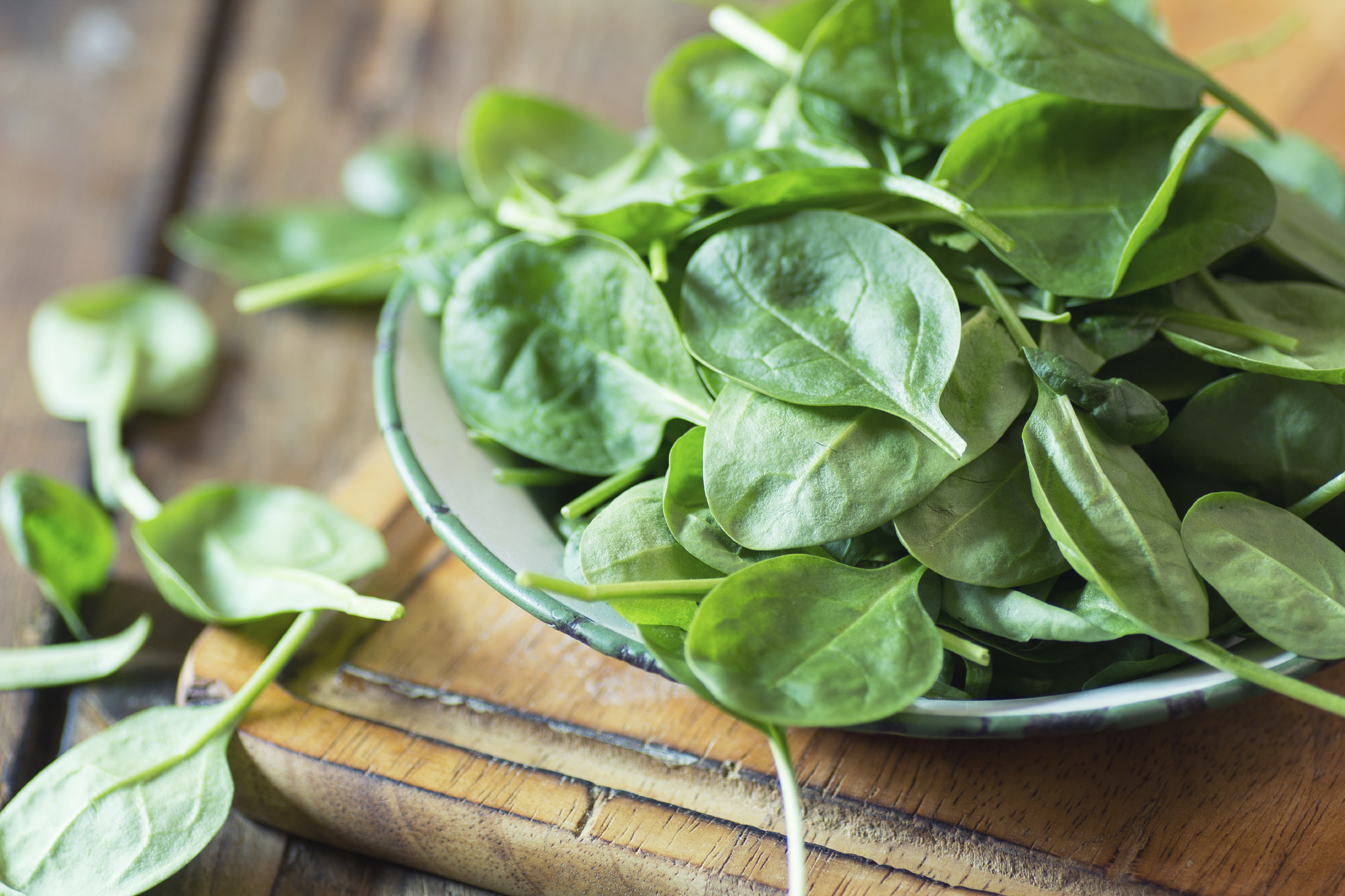 The National Eye Institute has recommended that people who are high-risk for developing AMD eat diets rich in green leafy vegetables, whole fruits, any type of nuts and omega 3 fatty acids. Many of these foods have anti-oxidant properties that help to “turn off” genes involved with inflammation, an important factor of retinal diseases. Salmon, mackerel and sardines have the highest levels of omega-3 fatty acids. An analysis that combined the data from 9 different studies showed that fish intake at least twice a week was associated with reduced risk of early and late AMD. Other studies show that Omega-3 fatty acids improve mitochondrial function, decreases production of reactive oxygen species (free radicals that damage cells) and leads to less fat accumulation in the body. The green leafy vegetables contain important protective macular pigments (carotenoids) called lutein and zeaxanthin that reduce the risk of AMD by 43%. High levels of lipid or fat deposits in the body (obesity) can “soak-up” the lutein and zeaxanthin so that they are not available to protect the retina.