


Sharing meals with family and friends is one of the major highlights of the holiday season. Whether you treat yourself to old recipes or you try new ones, consider adding these eye-healthy foods to your holiday feast!
LEAFY GREEN VEGETABLES
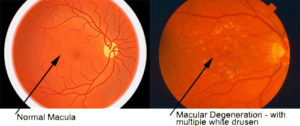
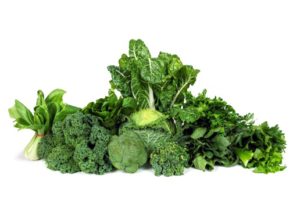 Be sure to start your holiday meal with a salad, it’s an excellent way to ensure that you and your guests get plenty of zeaxanthin and lutein, two nutrients that help protect your central vision. Adding kale, spinach, or romaine lettuce to salads helps your eyes absorb damaging blue light, combats the effects of cigarette smoke and pollution, and also decreases your risk of developing age-related macular degeneration (AMD), a condition that affects the macula, the part of your retina responsible for central vision. You will also find lutein in grapes, kiwis, broccoli, peas, corn, Swiss chard, and collard greens.
TURKEY AND BEEF
 Turkey and lean beef, two of the main ingredients in many holiday meals, keep your eyes strong and healthy. Both foods are high in zinc, a nutrient important to the retina and the choroid layer under the retina.
  Zinc is essential for good night vision. Eating foods that are high in the nutrient can also reduce your risk of cataracts and AMD. Other foods that contain zinc include pork, dairy products, chick peas, black-eyed peas, crab, oysters, beans, spinach, mushrooms, cashews, and almonds.
CARROTS
 It wasn’t an old wives tale, it is true Carrots are good for your eyes! They contain beta carotene, a substance that turns into vitamin A when eaten. Eating carrots can benefit your night vision and could possibly reduce your risk of cataracts, AMD, and dry eyes. Other foods that contain beta carotene include pumpkin, sweet potatoes, and butternut squash. All great ingredients to include into your holiday feast.
FISH
 Fish contain omega-3 fatty acids, which can reduce your risk of developing AMD, dry eye, and glaucoma. Salmon, mackerel, flounder, tuna, halibut, herring, and sardines would be a great addition to your holiday meals.
WHOLE GRAINS
 Whole grains reduce your risk of heart disease, obesity, and type 2 diabetes and can also decrease your risk of AMD. Substituting whole grain flour for white flour in holiday breads and muffins is a simple way to boost your whole grain intake. Other good whole grain sources include wild rice, brown rice, popcorn, oatmeal, bulgur, barley, buckwheat, and couscous.
FRUIT
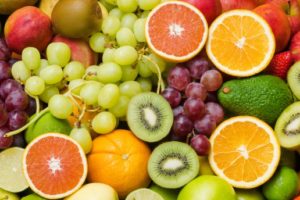 Fruits high in vitamin C, such as strawberries and oranges, also offer important vision benefits. Vitamin C is an antioxidant, a substance that can prevent cell damage caused by free radicals. Vitamin C-rich foods help keep the collagen in your cornea healthy and reduce the risk of cataracts and AMD. You can also find vitamin C in grapefruit, kiwi, blueberries, peas, broccoli, and tomatoes.
Sensible food choices, along with regular eye examinations, can help you protect your vision. For eye healthy recipes, visit our EYE COOK section in our website.
Happy Eating and Happy Holidays!
 Many of us just use the basics on our smart phone and never personalize them for our own needs. It is worth taking the time to adjust our phones to take advantage of the special services that may be available and unused. Making a phone call or sending a text message with a smart phone can be challenging, however, with simple modifications, keeping in touch with the world can become a snap. Getting comfortable with your smart phone will make staying in touch with your loved ones very easy.
 World KC Day is November 10th!
  Summer is almost over and it’s back to school season. As parents, many of us are busy ensuring our kids are ready and prepared for the new year; worrying about school supplies, new clothes, and new haircuts. There is always a long list of things to do before school starts. But something that often gets overlooked is getting your child’s eyes examined annually.
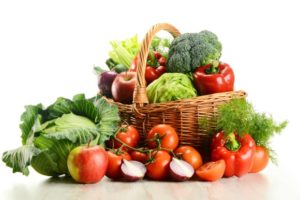 For example, lutein and zeaxanthin are important antioxidants that help prevent degeneration in the lens and retina. Eating a diet rich in these carotenoids helps reduce the risk of AMD by fighting oxidation in the retinal cells of the eye.
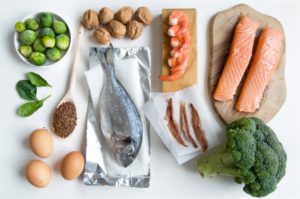 Eating fatty fish, such as salmon, tuna, mackerel, and sardines, that are rich in omega-3 fatty acids also helps lower the risk of AMD. Omega-3 fatty acids are rich in docosahexaenoic acid (DHA), which is important for eye health and visual function. People with dry eye syndrome (i.e., low tear production) can benefit from a diet rich in omega-3 fatty acids because dry eye is linked to low levels of DHA.
 Night vision can be impaired not only by the darkness, but also by the sudden glare of lights from oncoming cars, traffic signals, etc. Our eyes are forced to constantly adjust, leaving brief periods of impaired vision between adjustments.
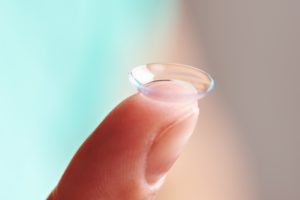 Most problems associated with contact lenses cause minor irritation, but serious eye infections from poor lens hygiene can be extremely painful and may lead to permanent vision loss. About 80 to 90 percent of contact lens-related eye infections are bacterial. A type of infection you can get is called pseudomonas aeruginosa, a fast-growing bacterial infection that can lead to a hole in your cornea. Unfortunately, patients who get this infection have a high chance of permanent scarring and vision loss. Beyond bacteria, fungal infections are also potential threats to your vision.
 In a presentation to the American Society of Retina Specialists, Dr. Ajay E. Kuriyan of the University of Rochester reported that three patients who underwent bilateral intravitreal injection of stem-cells for age-related macular degeneration (AMD) suffered bilateral vision loss. The clinic at which all three procedures were performed did not have a licensed ophthalmologist on-site, and the stem-cell injections were administered by a nurse practitioner, Ocular Surgery News reported. Each patient paid $5,000 for the procedure.
 It seems like every season is allergy season. In the spring, it’s the tree and flower pollen. Summer adds grass pollen. In the fall, it’s weed pollen. People who have allergies have symptoms such as sneezing, sniffling, and nasal congestion, but allergies can affect the eyes, too. They can make your eyes red, itchy, burning, and watery, and cause swollen eyelids.