

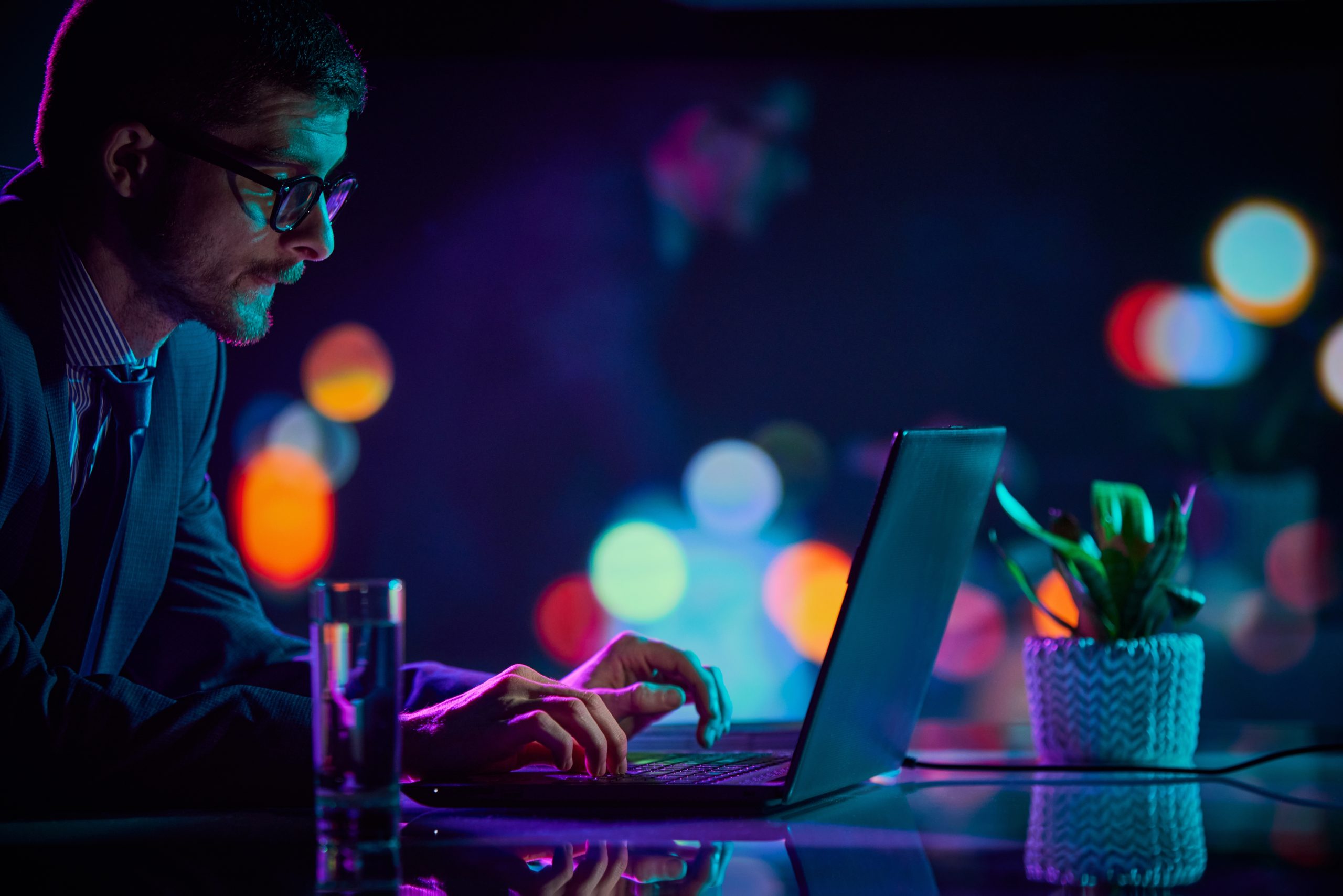
 If you’ve spent any time on a screen (which is basically everyone), you’ve probably heard warnings about blue light. It’s blamed for everything from eye strain to permanent vision damage—but how much of that is actually true?
Let’s separate fact from hype.
What Is Blue Light?
Blue light is a high-energy, short-wavelength light naturally emitted by the sun. It’s also produced by digital screens—phones, laptops, tablets, and LED lighting.
Not all blue light is bad. In fact, it plays an important role in:
- Regulating your sleep-wake cycle (circadian rhythm)
- Boosting alertness and mood during the day
The Big Question: Does It Damage Your Eyes?
Short answer: There’s no strong evidence that blue light from screens causes permanent eye damage.
Most of the concern comes from laboratory studies where retinal cells were exposed to extremely high levels of blue light—far beyond what your devices produce.
In real-world use:
- The amount of blue light from screens is very low
- It is not proven to cause retinal damage or blindness
So if you’re worried about screens “destroying your eyes,” the science doesn’t support that.
So Why Do Your Eyes Feel So Tired?
This is where blue light gets unfairly blamed.
What you’re actually experiencing is digital eye strain (also called computer vision syndrome), caused by:
- Reduced blinking while using screens
- Long periods of near focus
- Poor lighting or screen glare
Common symptoms include:
- Dry or irritated eyes
- Blurry vision
- Headaches
- Eye fatigue
What About Blue Light Glasses?
Blue light–blocking glasses are heavily marketed, but their benefits are limited.
Current evidence suggests:
- They may help with sleep if used in the evening
- They do not significantly reduce eye strain for most people
In other words, they’re not harmful—but they’re not a magic solution either.
The Real Impact: Sleep Disruption
The strongest evidence against blue light is its effect on sleep.
Exposure to screens at night can:
- Suppress melatonin (your sleep hormone)
- Delay sleep onset
- Reduce sleep quality
This is why scrolling your phone before bed often makes it harder to fall asleep.
What Actually Helps?
Instead of focusing only on blue light, these habits make a bigger difference:
- Follow the 20-20-20 rule
Every 20 minutes, look at something 20 feet away for 20 seconds - Blink more often
(Seriously—people blink up to 60% less on screens) - Adjust your screen
Reduce brightness and avoid glare - Use night mode on your phone or tablets in the evening
Helps reduce sleep disruption - Limit screens before bed
Ideally 1–2 hours before sleeping
Bottom Line
Blue light from screens is not likely to damage your eyes permanently.
However, excessive screen use can lead to:
- Eye strain
- Dryness
- Poor sleep
So the real issue isn’t blue light itself—it’s how long and how often we use our devices.